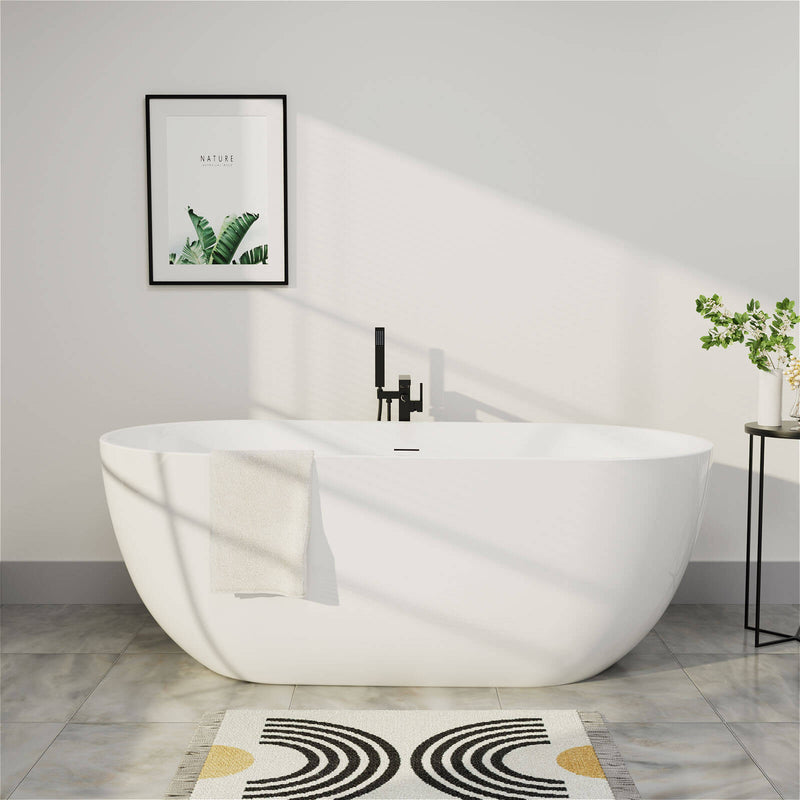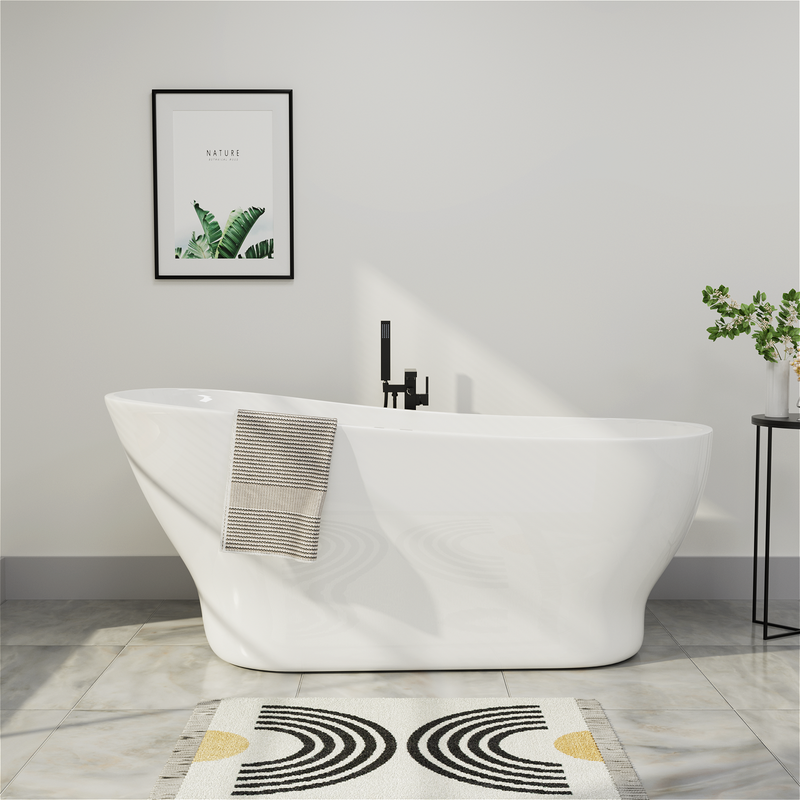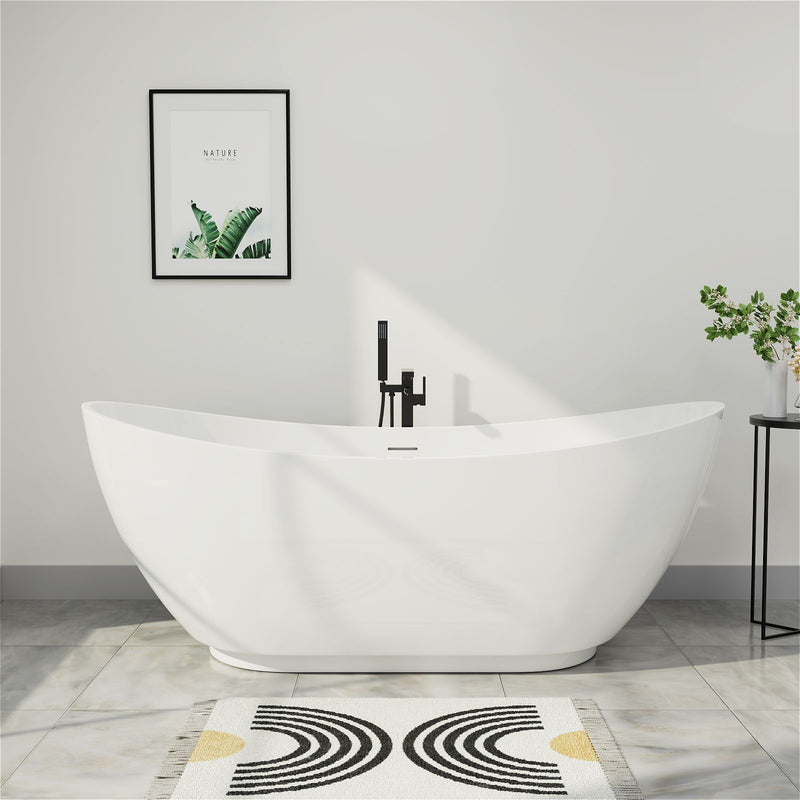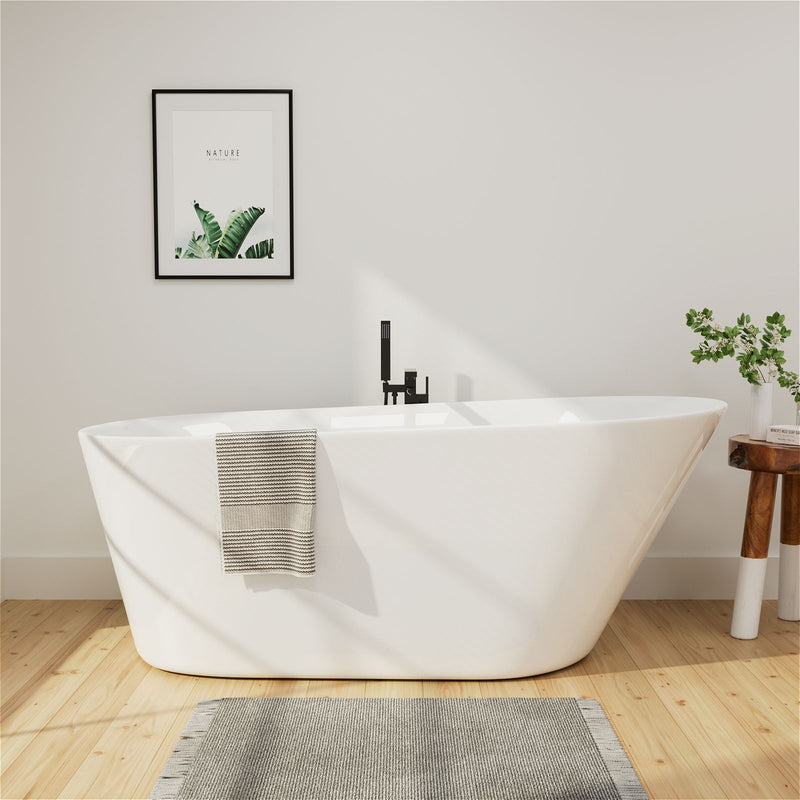
A slipper tub, with its elegant high back and deep soak, is a dream addition to many bathrooms. It promises relaxation and adds instant style. However, buying one is more complex than choosing the prettiest shape. Many excited homeowners rush into the purchase, only to face frustrating and expensive problems during installation or daily use.
The difference between a tub you love and one that causes daily headaches comes down to avoiding some common pitfalls. These mistakes range from simple measurement errors to overlooking crucial practical needs. This guide walks you through the seven most frequent missteps people make when buying a slipper tub and gives you the practical knowledge to make a confident, smart choice for your home.
Mistake 1: Not Measuring Your Space (And Your Doorways)
This is the most common and potentially disastrous mistake. People often fall in love with a tub's dimensions on a website or showroom floor without thinking about the journey to its final spot.

The "Final Position" Rule: Don't just measure the empty bathroom footprint. You must create a detailed plan. Use painter's tape to mark the tub's exact length and width on your bathroom floor. Now, walk around it. Is there at least 30 inches of clear space in front of it for safe and comfortable access? Can you easily open the bathroom door, vanity cabinets, or shower door if it's nearby? A cramped bathroom will make the beautiful tub feel like an obstacle.
The "Pathway" Rule: The tub must physically get into the bathroom. Measure every doorway, hallway, and stairwell from the point of delivery to the bathroom. This includes both width and height. Remember to account for the angle needed to maneuver around corners. Freestanding tubs are large and heavy; they cannot be bent or twisted through a tight space. Knowing the clearance of your access path before you buy prevents the nightmare of a tub stuck in your foyer.
Mistake 2: Overlooking Safety and Accessibility
A slipper tub is deeper than a standard tub, which makes getting in and out a different experience. Focusing only on looks while ignoring safety can lead to slips or make the tub difficult to use long-term.

The Slip Hazard: The smooth, curved surface of a wet tub is a major fall risk. A U.S. study noted that wet surfaces are a leading cause of slips and falls. Planning for safety is non-negotiable. Your plan should include installing anti-slip strips or a mat on the tub floor. Also, consider the floor outside the tub. A high-quality, absorbent bath mat is essential to prevent water on the bathroom floor from creating another hazard.
The Entry and Exit Challenge: That beautiful high side becomes a barrier to climb over. Think about all potential users—yourself, aging parents, or future buyers. Is there a wall where a properly installed grab bar can be mounted? Unlike towel racks, grab bars are designed to hold a person's full weight. For many, a bathtub step stool can make entry much safer and easier. Considering these elements during the planning phase is easier and more cost-effective than trying to add them later.
Mistake 3: Ignoring Plumbing and Installation Realities
The plumbing for a freestanding slipper tub is different from a standard built-in tub. Assuming your existing setup will work is a fast track to unexpected costs.

The Faucet Dilemma: Where will the water come from? Freestanding tubs typically need one of three options: a freestanding floor-mounted faucet (which requires plumbing to come up through the floor), a deck-mounted faucet (if the tub has a wide rim), or a wall-mounted faucet (which must be perfectly positioned behind the tub). Each choice has major implications for your floor, subfloor, and wall construction. You must decide on this before the tub is purchased and certainly before installation begins.
The Drain Location: Similarly, the tub's drain must connect to your home's waste line. Is the drain hole on the tub's left or right end? Does your floor drain line up with it? If not, you may need to move the floor plumbing, which can involve cutting into and potentially reinforcing the subfloor—a significant and pricey renovation.
Professional Installation is Key: Installing a heavy, often acrylic tub incorrectly can cause it to crack, flex, or not drain properly. A slipper tub filled with water and a person is incredibly heavy; your floor must be structurally sound enough to support it. Always hire an experienced, licensed plumber and contractor who has installed freestanding tubs before.
Mistake 4: Choosing the Wrong Material for Your Lifestyle
Slipper tubs come in different materials, each with big differences in feel, maintenance, and cost. Picking one for looks alone can lead to disappointment.

Acrylic Tubs (like many Mokleba models): This is the most common and affordable material. It's lightweight (easier to install), warm to the touch, and comes in many shapes. However, it can scratch more easily and may flex if not properly supported. It's a great choice for most people seeking a classic look and comfortable soak.
Cast Iron Tubs: These are the classic, heavyweight champions. Coated with enamel, they are incredibly durable, retain heat beautifully for long soaks, and have a solid, timeless feel. The trade-offs are extreme weight (requiring very strong floor framing), a higher price, and the surface can chip if something very heavy is dropped on it.
Composite/Stone Resin Tubs: These offer a luxury look, often mimicking natural stone. They are very durable and excellent at heat retention. They are heavier than acrylic but usually not as heavy as cast iron. They tend to be at the higher end of the price range.
The Right Choice: Consider your budget, your home's structure, and how you'll use the tub. If you love very hot, long baths, cast iron or stone resin is superior. If budget and easy installation are top priorities, a quality acrylic tub is a perfect fit.
Mistake 5: Prioritizing Form Over Everyday Function
It's easy to be seduced by a stunning double-ended slipper tub in a showroom. But you need to imagine using it every single day.

Single vs. Double Slipper: A double slipper tub (high ends on both sides) is symmetrical and beautiful as a centerpiece. But think about how you sit. Do you want to recline at one specific end, often under a window or with a view? If so, a single slipper tub (high at one end, low at the other) is more practical and can often be tucked against a wall, saving space. The double-ended design is ideal if you want the flexibility to lounge at either end or if the tub will be a true focal point in the middle of the room.
The Comfort Test: If possible, visit a showroom and actually sit in the dry tub. Does the slope of the back support your neck and head comfortably? Is the tub deep enough for you to be immersed? Are the sides so high that getting out feels awkward? Your body's comfort is more important than any magazine photo.
Practical Features: Do you want a shower? Not all slipper tubs are designed for use as a shower. If you need a shower attachment, you must buy a tub designed as a "tub-shower combo" with a flat rim for a shower curtain or door. Also, look for models with integral armrests or a widened rim that can hold soap, a book, or a candle—small features that greatly enhance the experience.
Mistake 6: Forgetting About Storage and Maintenance
A freestanding tub creates new spaces in your bathroom—namely, the floor around it—which also need to be cleaned and maintained.

The Cleaning Zone: That beautiful space around all four sides of the tub? You have to clean it. Dust, hair, and water splashes will accumulate there. Make sure you have a plan and the right tools (like a soft mop) to easily clean around the tub's base and the floor beneath it. Some tubs have a "toe kick" or recessed bottom that makes mopping underneath easier.
Where Does Everything Go? In a standard tub-shower, you have built-in ledges or corners for shampoo. A freestanding tub has none of that. You'll need a bathtub caddy or tray that spans the width of the tub to hold your bath essentials. Consider where you will keep bath towels, bath salts, and other items within easy reach. A nearby stool, shelf, or cart can solve this problem stylishly.
Mistake 7: Not Setting a Realistic Total Budget
The price tag on the tub itself is just the beginning. The "hidden" costs of a freestanding tub can easily double your initial investment if you're not prepared.

The Complete Cost Picture: Your budget must include:
- The tub itself.
- The faucet/filler (freestanding faucets are especially expensive).
- All plumbing and electrical work (moving pipes, drain, water lines, potentially adding a floor-mounted faucet).
- Professional installation and delivery.
- Any required floor reinforcement.
- New flooring or tile work to accommodate the new tub's footprint.
- Necessary accessories (drain, overflow cover, caddy, step stool, etc.).
Getting quotes from contractors before you finalize your tub purchase is the only way to have a true understanding of the total project cost. This prevents you from buying a beautiful tub you can't afford to install properly.
FAQs
Q: What is the most important thing to do before buying a slipper tub?
A: Measure relentlessly. Measure your bathroom space with tape on the floor, and, most critically, measure every access point from the street to the bathroom (doorways, halls, stairs). This prevents the most common and catastrophic mistake.
Q: Is a slipper tub a good choice for a small bathroom?
A: It can be, but you must choose carefully. A compact, single-slipper tub (with one flat end) placed against a wall can be space-efficient. Avoid large double-ended models in small spaces, as they need room to be appreciated and accessed from all sides.
Q: Are slipper tubs safe for older adults or people with mobility issues?
A: They can be, but only with proactive safety planning. The high sides are a challenge. Safety is mandatory and should include professionally installed grab bars, a high-quality non-slip mat inside the tub, a secure step stool, and a non-slip bath mat outside the tub. Consulting an occupational therapist for transfer techniques is also wise.
Q: How do I clean behind and around a freestanding slipper tub?
A: Choose a tub design that elevates slightly off the floor or has a recessed base to make mopping easier. A soft, flexible mop is your best tool. Ensuring there is enough space between the tub and the wall (at least a few inches) is crucial for cleaning.
Q: Can I add a shower to any slipper tub?
A: No. Only tubs specifically designed as "tub-shower combos" should be used with a shower. They have a flat, level rim to contain water and are reinforced for a showerhead. Adding a shower to a tub not designed for it will cause water to spill onto your floor and can void the warranty. Always check the manufacturer's specifications.