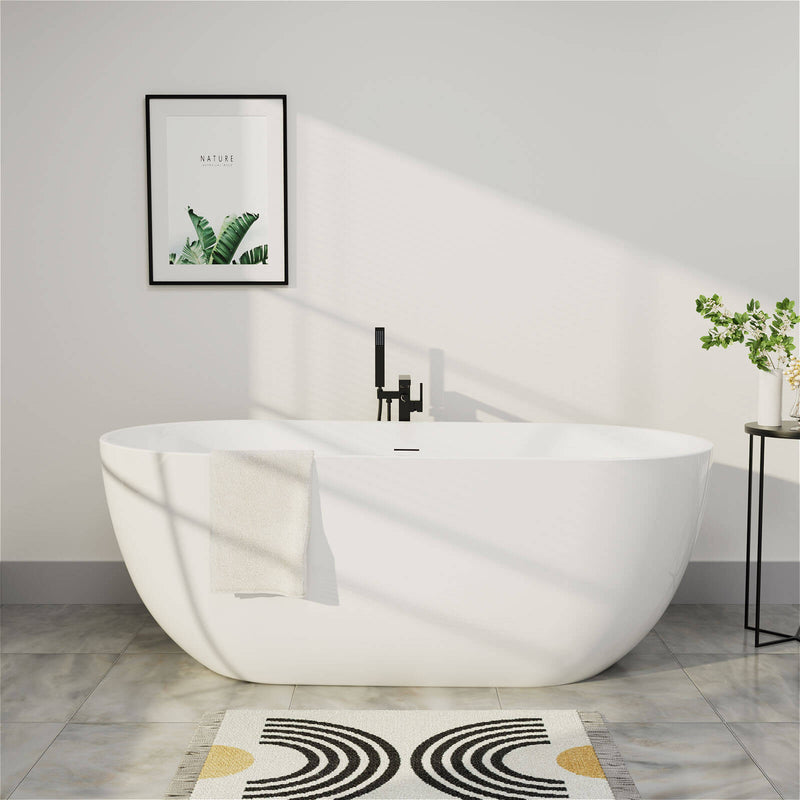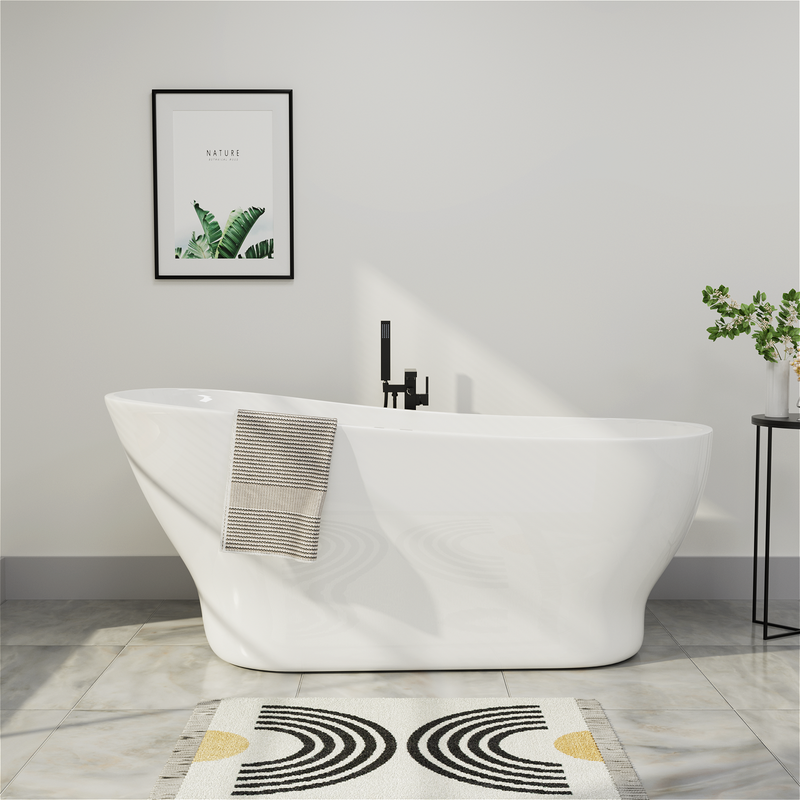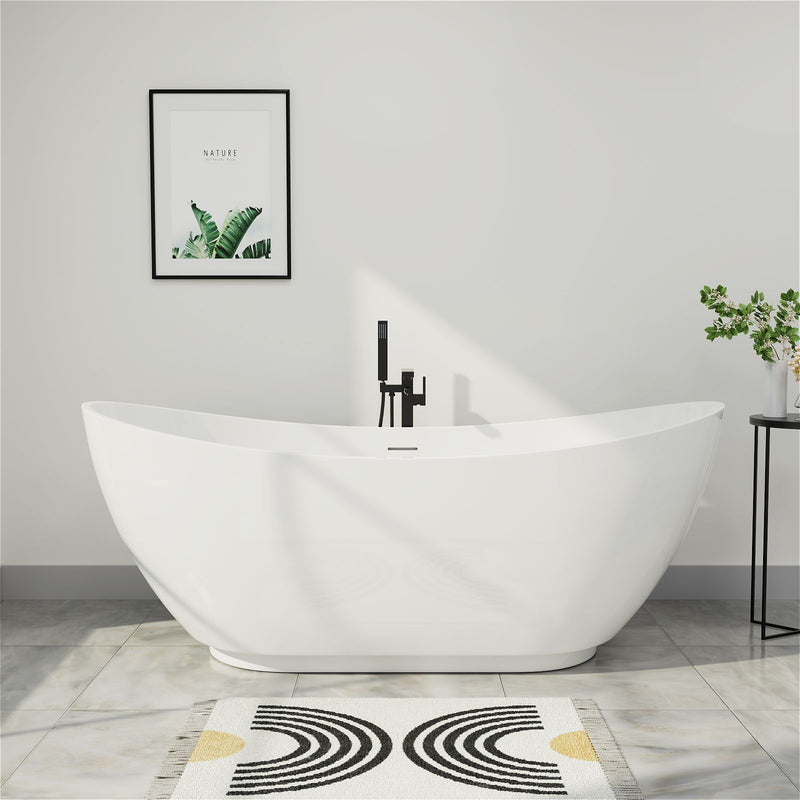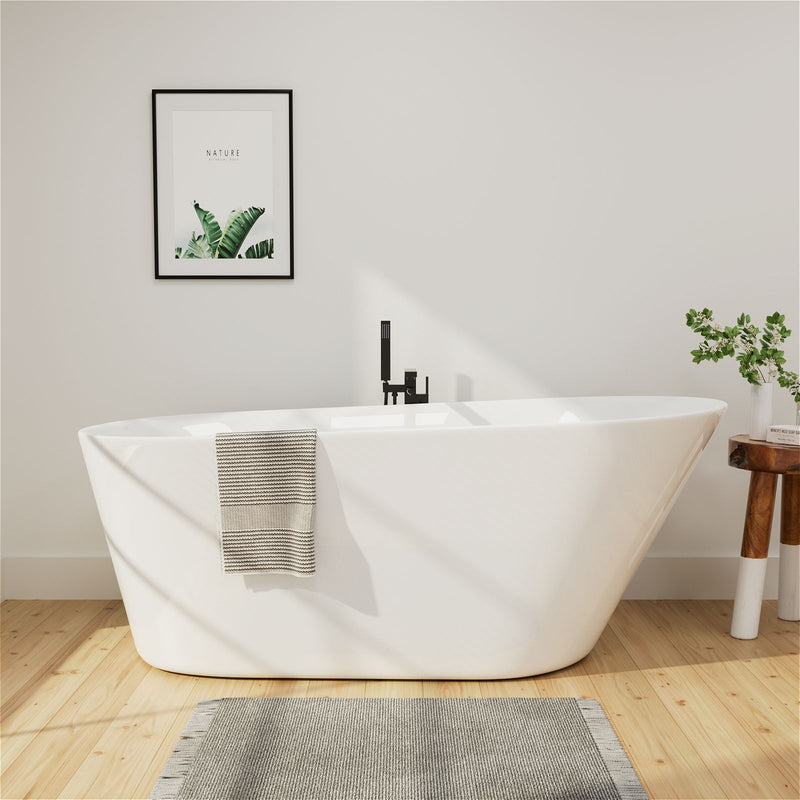
Gray has become the new neutral star in bathroom design, offering a sophisticated alternative to classic white. But when you've decided on a gray bathtub, a new question arises: should you choose a soft light gray or a dramatic dark gray? The truth is, neither is universally "better." Each shade creates a distinctly different atmosphere and serves different needs in your home.
This choice goes beyond simple color preference. It's about how you want your bathroom to feel and function. Do you envision a bright, airy space that feels like a fresh start or a cozy, intimate retreat that envelops you in comfort? Your decision between light and dark gray will set that foundational tone. This guide will walk you through the practical and aesthetic implications of each option, from influencing the perceived size of your room to pairing with your favorite fixtures, helping you select the shade that perfectly fits your vision and your life.
The Impact on Space and Light
The most immediate effect of your bathtub's color is on the perception of space. This is where light and dark grays perform very different roles.

A light gray bathtub is a champion for making spaces feel larger and more open. Colors like mist, silver, or greige reflect significantly more light than darker shades. In a smaller bathroom, a light gray tub can help visually "push" the walls back, preventing the room from feeling cramped or closed in. It creates a bright, airy, and clean foundation that works with the available light, whether from a window or your light fixtures, to enhance a sense of spaciousness.
In contrast, a dark gray bathtub in charcoal or slate absorbs light, creating a sense of intimacy and defined space. This can be a powerful tool in a large or well-lit bathroom, where it helps to make the vast area feel more grounded, cozy, and personally tailored. However, in a small room with limited light, a dark tub can make the walls feel closer. Ultimately, if maximizing a sense of openness is your top goal, light gray is often the safer, more effective choice.
Setting the Mood and Style Tone
Beyond size, your bathtub's color is crucial in establishing your bathroom's overall mood and aligning with popular design directions.
Light gray bathtubs excel at creating a calm, serene, and universally peaceful atmosphere. They form a perfect, neutral backdrop that embodies the modern desire for bathrooms that are "calm, warm, and natural". This shade promotes relaxation without starkness, making it ideal for a bathroom that serves as a true unwind zone. Stylistically, light gray is incredibly versatile. It's a natural fit for minimalist, Scandinavian, and modern farmhouse styles, and it seamlessly bridges other elements, allowing materials like natural wood or colorful tiles to take center stage.
Dark gray bathtubs make a bold, intentional statement. They evoke feelings of luxury, sophistication, and grounded stability. This choice aligns with the trend of incorporating "bold" elements within a calming space. A dark gray tub becomes an undeniable focal point, adding a layer of drama and curated depth. It complements design styles like industrial (paired with matte black fixtures and concrete), traditional (with brass hardware and detailed molding), and organic modern styles, where it provides a rich anchor for natural textures.
Practical Considerations for Daily Life
Your choice also affects the day-to-day experience of living with your bathtub, from maintenance to material perception.
When it comes to cleaning and maintenance, both shades have their nuances. Light gray surfaces can be very good at hiding fine dust and mineral particles in the air. However, they may show water droplets and soap scum more readily, sometimes requiring more frequent wiping to maintain that pristine, bright look. Dark gray bathtubs are masters at disguising soap residue and water spots. The trade-off is that they can show everyday dust, lint, and especially light-colored mineral deposits from hard water more clearly, often benefiting from a quick dry cloth wipe down to stay looking impeccably sleek.

The perception of material and warmth is another subtle factor. Light gray often enhances a sense of cleanliness and can make man-made composite materials feel fresh and bright. Dark gray, on the other hand, can lend a bathtub a more substantial, stone-like, or metallic appearance, contributing to a feeling of luxury and solidity. In terms of physical warmth, a dark gray surface may absorb a bit more heat from warm water, potentially feeling subtly warmer to the touch at the start of a bath, though this effect is usually minimal.
How to Coordinate With Your Bathroom's Design
Integrating your new tub harmoniously with the rest of the room is key to a cohesive look.
Pairing with fixtures and finishes offers fun opportunities. Light gray bathtubs pair beautifully with both cool and warm metals. For a crisp, contemporary look, combine them with chrome, nickel, or matte black fixtures. To add warmth, brass and gold accents create a lovely, on-trend contrast. Dark gray bathtubs truly shine with metallic finishes. Warm brass, gold, and copper pop dramatically against the deep background, creating a luxurious feel. Matte black fixtures offer a sleek, monochromatic look, while chrome provides a striking, high-contrast graphic punch.
Choosing the right wall and floor colors will complete the scene. For a light gray tub, you have tremendous flexibility. Keep walls white or off-white for a classic, expansive feel, or paint them a slightly different tone of light gray for a subtle, tonal layered effect. For a dark gray tub, strategic contrast is often effective. White or very light walls will make the tub stand out as a sculptural element. For a daring, immersive look, consider deep-toned walls in a complementary color like navy or green, creating a cozy, enveloping mood.
Making Your Final Decision
With these factors in mind, you can make a confident choice by asking a few practical questions about your specific space and taste.
First, honestly assess your bathroom's size and lighting. Take measurements and note the sources of natural and artificial light. If your bathroom is compact or tends to be dim, a light gray bathtub will almost certainly help the space feel more welcoming and open. If you have a spacious room with ample light, you have the freedom to use a dark gray tub to add definition and drama.

Next, define your primary design goal. Look at inspiration photos and identify what you're drawn to. Is it a bright, clean, spa-like feeling or a moody, elegant, library-like ambiance? Your bathtub's color is a major step toward achieving that core atmosphere.
Finally, be realistic about upkeep. Consider your household's routine. If you prefer a surface that forgives water spots between cleanings, dark gray might be more forgiving. If you'd rather quickly see and wipe away dust and mineral powder, light gray could be the easier choice.
FAQs
Will a dark gray bathtub make my small bathroom feel like a cave?
It can if the room is very small and poorly lit. However, in a moderately sized bathroom with good layered lighting (overhead, sconces), a dark gray tub can create a stylish, intimate feel without overwhelming the space. The key is ensuring the room has enough light to balance the depth of the color.
I want a timeless look. Is light or dark gray a safer choice?
Both are excellent timeless neutrals. Light gray offers a classic, adaptable feel similar to white but with more depth. Dark gray, like navy or charcoal, is a timeless dramatic neutral that resists feeling trendy. "Timelessness" comes more from choosing a shade you truly love and pairing it with clean lines and quality materials.
What if I want to add another color to the bathroom later?
Both shades provide a great neutral base. Light gray acts as a soft canvas for virtually any accent color, from pastels to jewel tones. Dark gray pairs beautifully with rich, saturated colors (like emerald green or sapphire blue) as well as muted earthy tones (like terracotta or sage), creating a more sophisticated and deliberate contrast.
Can I install a gray bathtub without doing a full bathroom remodel?
Absolutely. Replacing a white tub with a gray one is a powerful way to instantly update the space's entire aesthetic. It can serve as a new focal point, and you can then gradually update other elements like hardware, mirrors, or accessories to complement it.
Does the sheen (glossy vs. matte) change the effect of the color?
Yes. A glossy finish will reflect more light, making a dark gray feel slightly brighter and more dynamic, and a light gray appear even more luminous. A matte finish absorbs light, giving any gray a more subdued, sophisticated, and contemporary texture, and is excellent at hiding water spots and minor surface imperfections.
Conclusion
The journey to choosing between a light gray and dark gray bathtub is ultimately about listening to the needs of your space and your personal vision for a haven at home. A light gray bathtub tells a story of serene expansion, reflecting light to create a clean, peaceful, and adaptable canvas for your daily life. A dark gray bathtub tells a story of curated depth, offering a cozy, elegant, and intentional anchor that makes a confident style statement.
There is no winner in this comparison, only the right choice for your unique bathroom context. By considering how each shade influences light and space, the mood you want to cultivate, and the practical realities of your lifestyle, you can move forward with confidence. Your perfect bathroom, centered around a bathtub in the ideal shade of gray, is ready to become a reality.