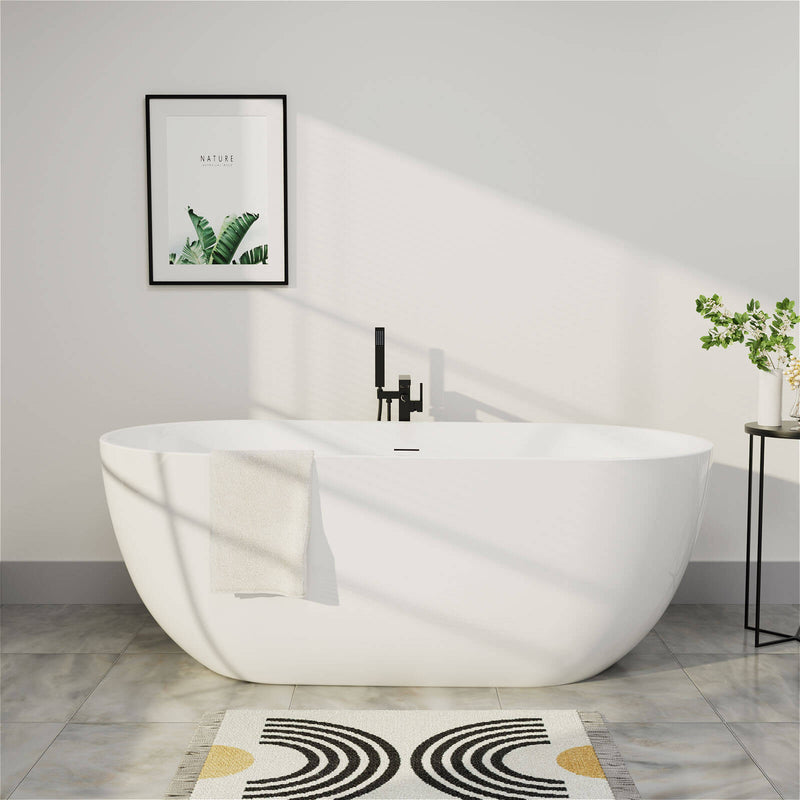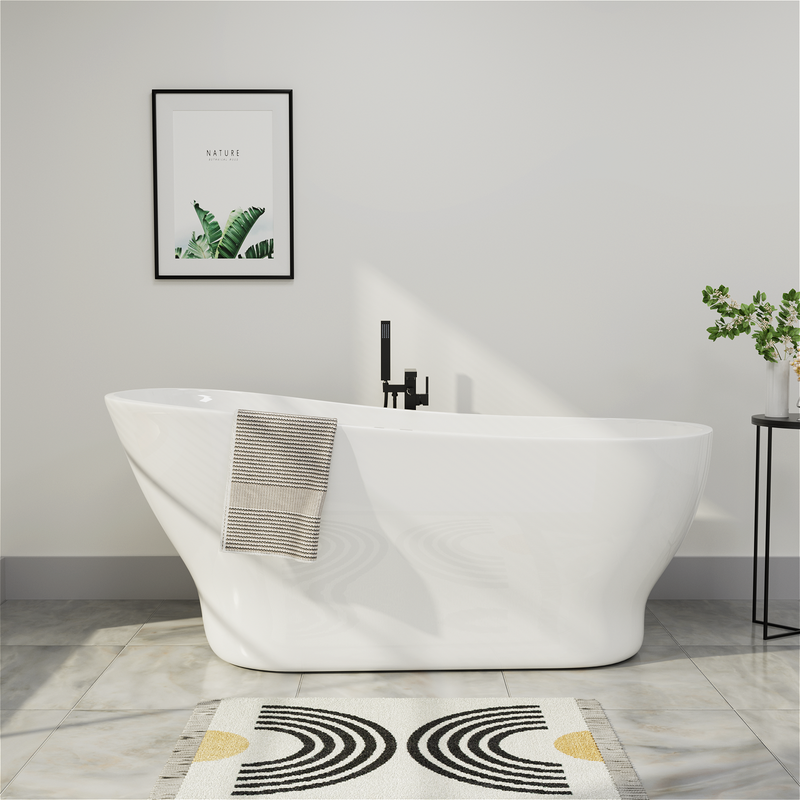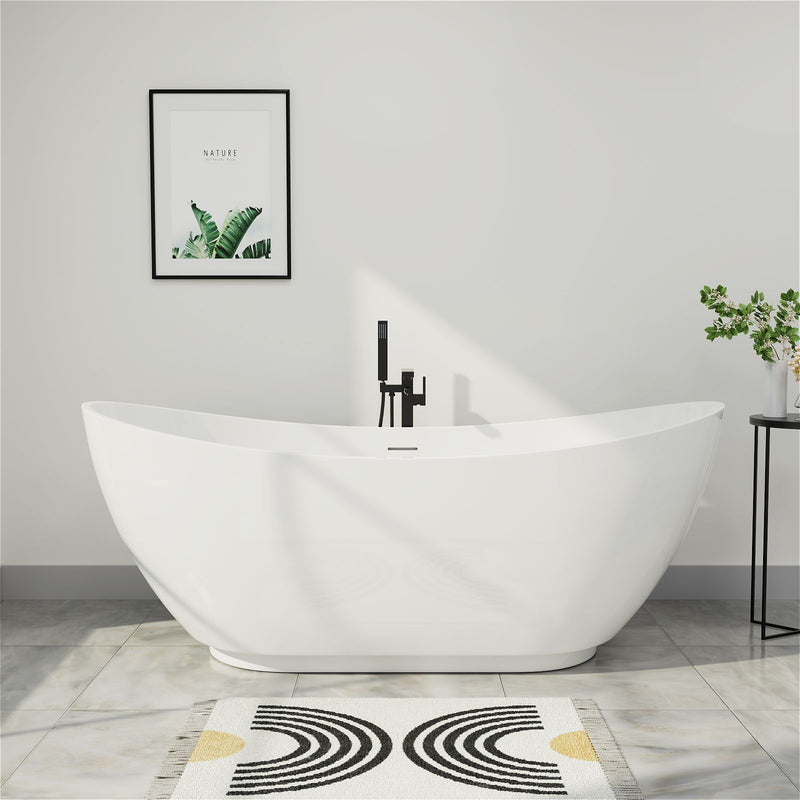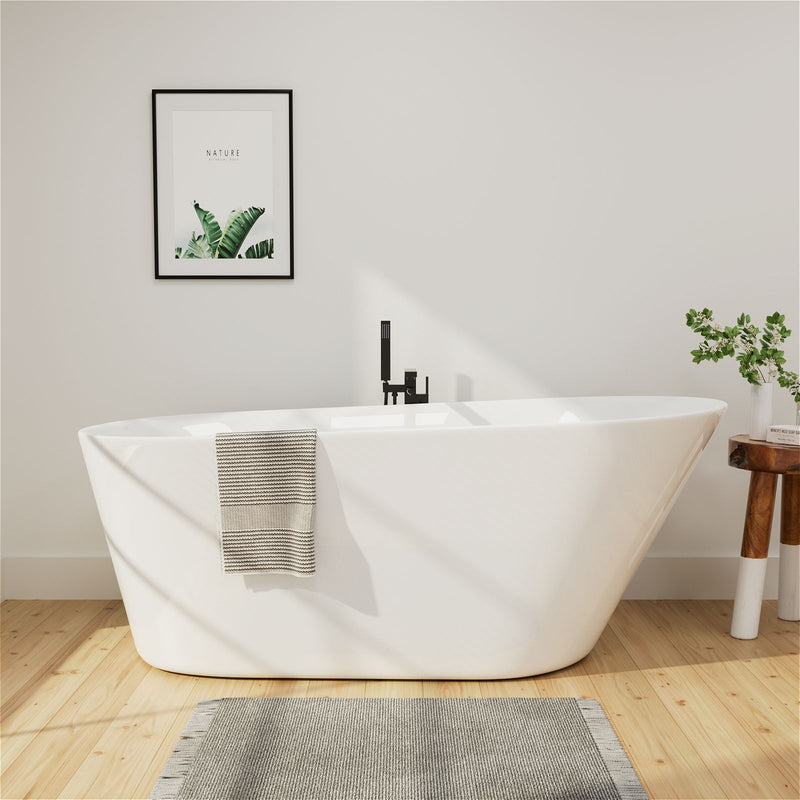
Selecting the right rectangular bathtub involves more than just picking a style you like. The size of your bathtub directly impacts comfort, functionality, and whether it will properly fit your bathroom space. Understanding standard dimensions, how to measure your bathroom, and how to match a tub to your specific needs is essential for a successful installation. This comprehensive guide will walk you through everything you need to know about rectangular bathtub dimensions, from standard measurements to space planning considerations, helping you make an informed decision for your bathroom renovation or new construction project.
Rectangular bathtubs remain the most popular and traditional choice for American bathrooms for good reason. Their straightforward design offers efficient use of space, easy installation, and compatibility with most bathroom layouts. However, within this seemingly simple category exists a surprising range of size options. The right bathtub dimensions can mean the difference between a comfortable soaking experience and a cramped one, between a straightforward installation and one requiring significant plumbing modifications. This guide will help you navigate the various factors to consider when selecting your ideal rectangular bathtub size.
Standard Rectangular Bathtub Dimensions
Common Length Variations
Rectangular bathtubs typically come in standardized lengths that cater to different body heights and bathroom sizes. The most common lengths range from 60 inches to 72 inches, with specialty sizes extending beyond these parameters. A standard rectangular bathtub often measures 60 inches in length, which fits comfortably in most bathroom alcoves. This size works well for smaller bathrooms and for individuals of average height. The 60-inch tub represents the minimum length that most adults can comfortably use for bathing while reclined.

For those seeking more legroom or taller individuals, 70 to 72-inch tubs provide additional comfort. These longer models offer superior stretching space and are better suited for people over six feet tall. Some manufacturers offer even longer tubs, reaching 78 inches or more, designed specifically for extra-tall users or those who prefer maximum space. These extended lengths typically require larger bathroom spaces and may involve custom installation considerations. When selecting a length, consider both the physical dimensions of your space and the height of the primary users to ensure comfortable use.
Standard Width and Depth Measurements
Width and depth significantly impact bathing comfort and water capacity. Standard widths for rectangular tubs generally range from 30 to 32 inches for alcove installations. These widths provide sufficient shoulder room for most adults while maintaining a space-efficient footprint. Wider models measuring 36 inches or more are available for those who prefer more horizontal space or for corner installations where additional width can be accommodated. The wider dimensions also appeal to those who enjoy a more spacious bathing experience.
Depth measurements vary considerably based on tub style and intended use. Standard tub depths typically range from 14 to 20 inches, with deeper models designed for more immersive soaking. Deeper tubs, often called soaking tubs, may measure 22 inches or more in depth, allowing for full-body submersion. The deeper the tub, the more water it will hold, which impacts both water heating capacity and floor support requirements. When considering depth, also think about ease of entry and exit—deeper tubs may require additional safety considerations, especially for households with elderly members or mobility concerns.
Small and Large Rectangular Tub Sizes
Beyond standard dimensions, rectangular bathtubs come in both compact and oversized variations to suit specific spatial requirements. Small rectangular tubs, sometimes as short as 55 inches, are designed for powder rooms, small apartments, or guest bathrooms where space is limited. These compact models still provide full bathing functionality while conserving valuable floor space. Their reduced dimensions make them ideal for children's bathrooms or as secondary tubs in homes with limited square footage.
On the opposite end of the spectrum, large rectangular tubs offer generous proportions for luxury bathing experiences. These may include extra-long models up to 84 inches and wider designs measuring 42 inches or more. Some oversized rectangular tubs are designed specifically for two-person use, featuring ample space for shared bathing. These larger tubs require significant bathroom space and often need reinforced flooring due to their substantial weight when filled with water. Before selecting an oversized tub, verify your bathroom's dimensions and consult a structural engineer if necessary to ensure your floor can support the additional weight.
Measuring Your Bathroom for a Rectangular Bathtub
Assessing Available Space
Proper measurement of your bathroom is the most critical step in selecting a correctly sized rectangular bathtub. Begin by measuring the exact alcove space or planned location where the tub will be installed. Record the length, width, and height of the available space, noting any obstructions such as plumbing pipes, electrical outlets, or structural elements that might impact installation. Remember to account for the thickness of wall materials, especially if you plan to add new tile or surround materials during the renovation.
When measuring, consider the clearance space needed around the tub for safe entry, exit, and daily use. Design experts typically recommend a minimum of 60 inches of clear space in front of the tub and at least 30 inches of width to allow for comfortable access . For freestanding tubs, additional clearance of 3-4 inches between the tub and walls is recommended to facilitate cleaning and prevent a cramped appearance. Don't forget to measure doorways, hallways, and stairwells to ensure your selected tub can actually reach its installation location—even the perfectly sized tub is useless if it can't make it through your bathroom door.
Accounting for Plumbing and Structural Factors
Beyond simple spatial measurements, consider the less obvious factors that affect tub sizing. The location of existing plumbing may limit your options unless you're prepared for the additional expense of relocating drain and water supply lines. Measure the distance from walls to current drain positions and compare these with the specifications of tubs you're considering. Some flexibility exists with plumbing connections, but significant deviations from existing plumbing layouts can substantially increase installation complexity and cost.
Structural considerations are equally important when selecting a tub size and material. The weight of a filled bathtub represents a significant structural load that your bathroom floor must support. A standard 60-inch acrylic tub holds approximately 40-50 gallons of water, weighing 330-415 pounds plus the tub weight and bather. Larger tubs can hold 100 gallons or more, adding over 800 pounds of water weight alone. If you're considering a cast iron tub or a large soaking model, consult a contractor to assess whether your floor joists require reinforcement. Additionally, ensure your water heater has adequate capacity to fill your selected tub with hot water—oversized tubs often require upgraded water heating systems.
Choosing Dimensions Based on Needs
Selecting Size by Bather Height
Matching tub length to user height ensures comfortable bathing without cramped positioning. For individuals under 5'8", standard 60-inch tubs typically provide sufficient length to recline comfortably. Those between 5'8" and 6' will find 66-70 inch tubs more accommodating, allowing full extension without excessive bending of the knees. For individuals over 6 feet tall, look for tubs measuring at least 72 inches in length to prevent cramped positioning and ensure a comfortable bathing experience.
While length is crucial for overall comfort, depth and interior contours also significantly impact the bathing experience for people of different heights. Deeper tubs allow for more submersion, which can compensate for shorter lengths to some degree by enabling a more vertical sitting position rather than full reclining. Many contemporary tub designs feature contoured bottoms or built-in seating that can enhance comfort for bathers of varying heights. When possible, test similar tub models in showrooms to assess comfort before making a final decision, paying particular attention to how your body fits in the tub when seated and reclined.
Considering Bathroom Size and Layout
Your bathroom's overall dimensions and layout naturally dictate appropriate tub sizing. For small bathrooms under 50 square feet, compact tubs in the 55-60 inch range maximize available space while still providing full bathing functionality. In these constrained spaces, consider space-saving features such as offset drains that allow for wider shoulder areas while maintaining standard exterior dimensions. Recessed or alcove installations typically make the most efficient use of space in small bathrooms.
Medium to large bathrooms offer more flexibility in tub sizing. For bathrooms measuring 50-100 square feet, standard 60-72 inch tubs fit comfortably without dominating the space. In bathrooms larger than 100 square feet, you might consider oversized tubs or creative placement such as center-room installations that make the tub a focal point. In all cases, maintain proper proportions between the tub and other bathroom fixtures—an oversized tub in a medium-sized bathroom can make the space feel cramped and impede traffic flow.
Special Considerations for Different Tub Types
The type of rectangular tub you select influences optimal dimension choices. Alcove tubs, designed to fit between three walls, follow standard sizing conventions but require precise measurement of the actual opening rather than rough dimensions. These tubs typically have finished front panels and unfinished sides that will be concealed by walls. Drop-in tubs require a constructed deck or surround, adding to the overall space requirements—plan for at least 6 inches of additional length and width to accommodate the surrounding deck structure.

Freestanding rectangular tubs offer placement flexibility but have unique space considerations. Unlike alcove tubs that tuck neatly into enclosed spaces, freestanding tubs need adequate clearance on all sides for cleaning access and visual appeal. Most installation guidelines recommend at least 3-4 inches of space between the tub and nearby walls. The rectangular freestanding tubs often feature more generous interior dimensions than their alcove counterparts, providing a roomier bathing experience but requiring more overall floor space. Consider how the tub will be viewed from all angles when planning placement of a freestanding model.
Installation Considerations for Different Sizes
Structural Requirements and Support
The size and material of your rectangular bathtub directly impact structural requirements. Lightweight acrylic tubs represent the least demanding option structurally, making them suitable for most standard floor construction. Cast iron tubs, while exceptionally durable, can weigh 300-500 pounds empty, requiring verification of floor capacity before installation. The combined weight of the tub, water, and occupant represents a significant load that must be properly supported to prevent structural issues.
Reinforcement needs vary based on tub size and water capacity. Standard-sized tubs typically don't require special reinforcement in homes with standard construction. However, large soaking tubs, especially those with capacities exceeding 80 gallons, may exceed the weight capacity of some floor systems. When in doubt, consult with a structural engineer to assess your floor's capacity. This is particularly important in older homes or second-floor bathroom installations. Proper support often involves adding additional joists or reinforcement beneath the tub area during the renovation process.
Plumbing and Drainage Considerations
Bathtub size can influence plumbing requirements and performance. While most residential drain pipes are adequately sized for standard tubs, larger tubs with higher flow rates may benefit from larger drain pipes to prevent slow draining. Most building codes specify a minimum 1½-inch drain pipe for bathtubs, which generally suffices for standard installations. However, extra-large tubs may require 2-inch drains to accommodate the greater water volume more efficiently.
The placement of drain and overflow varies between different tub sizes and models. Standard rectangular tubs typically place the drain at one end, while some larger or center-drain models position the drain in the middle of the tub bottom. When replacing an existing tub, selecting a new model with similar drain placement can significantly reduce installation complexity and cost. If you're considering a tub with different drain location than your existing plumbing, factor in the additional expense of modifying the drain system during installation. Always consult local plumbing codes to ensure compliance with all drainage requirements.
FAQs
What is the minimum size for a rectangular bathtub?
The smallest standard rectangular bathtubs typically measure around 55 inches in length, 30 inches in width, and 14 inches in depth. These compact models are designed for small spaces while still providing functional bathing capabilities. For most adults, a 60-inch tub represents the practical minimum for comfortable use.
What size rectangular tub is best for a person 6 feet tall?
For individuals 6 feet tall or taller, look for tubs measuring at least 72 inches in length. This provides adequate space to recline fully without bending the knees excessively. Deeper tubs can also enhance comfort for taller bathers by allowing more submersion.
Can I install a large rectangular tub in my existing bathroom?
Possibly, but you'll need to verify several factors first: measure your available space including door access, check your floor's weight capacity, ensure your water heater can fill the tub with hot water, and confirm that plumbing modifications are feasible. Many older bathrooms are designed for standard 60-inch tubs, so installing a larger model may require significant renovation.
How much space should I leave around a freestanding rectangular tub?
For freestanding rectangular tubs, leave at least 3-4 inches between the tub and walls on all sides. This clearance allows for proper cleaning and prevents a cramped appearance. Additionally, ensure there's adequate walking space around the tub—at least 30 inches of clearance on the access side.
What are the dimensions of a standard two-person rectangular tub?
Two-person rectangular tubs typically measure at least 72 inches in length and 42 inches in width, with some larger models reaching 60 inches or more in width. These dimensions provide comfortable space for two adults. Keep in mind that two-person tubs are significantly heavier when filled and require substantial bathroom space.
Conclusion
Selecting the right rectangular bathtub dimensions requires careful consideration of your bathroom space, physical needs, and installation practicalities. By understanding standard sizes, properly measuring your available space, and considering how different dimensions impact comfort and functionality, you can choose a tub that perfectly fits both your bathroom and your lifestyle. Remember to account for structural requirements, plumbing considerations, and clearance needs during your selection process. With proper planning and attention to dimension details, your new rectangular bathtub will provide years of comfortable use and enhance your daily bathing experience.