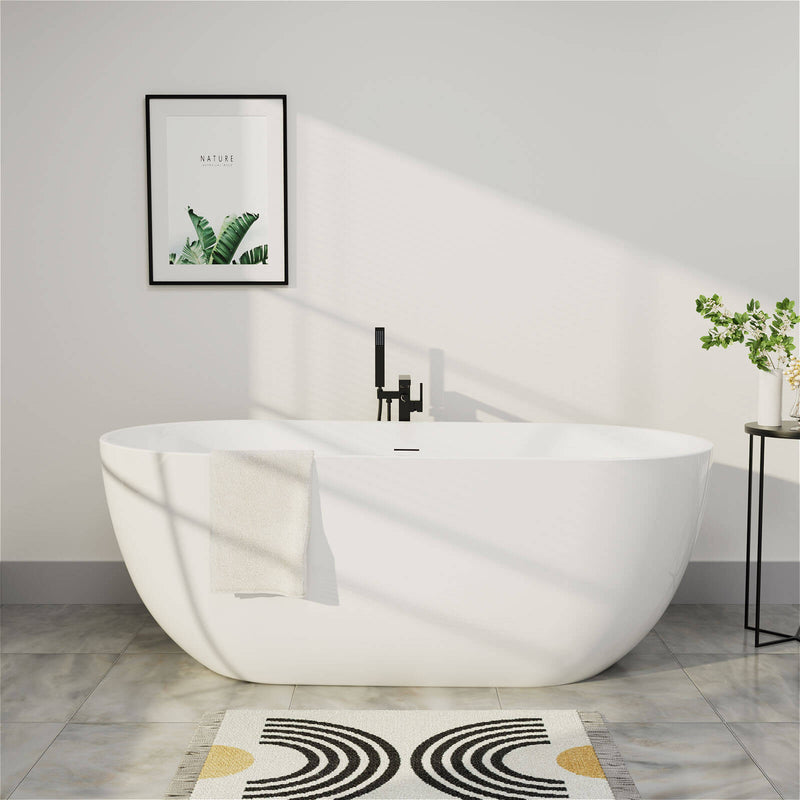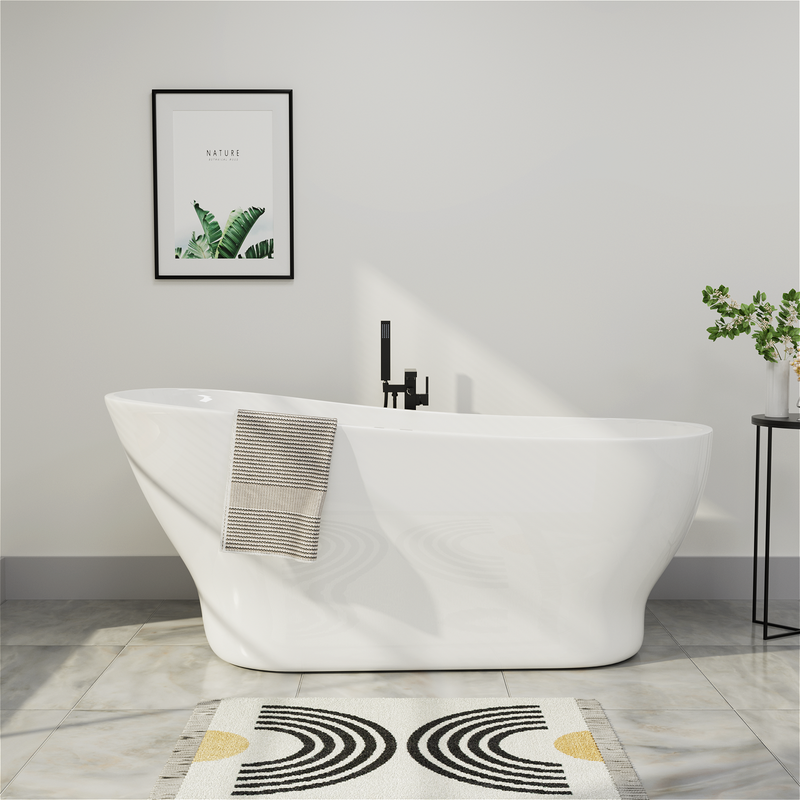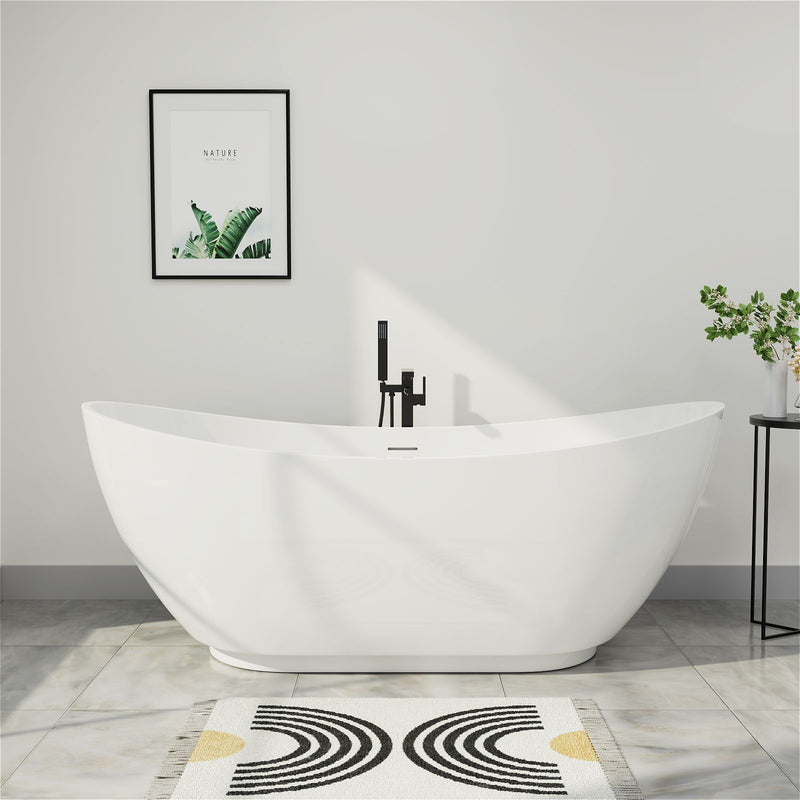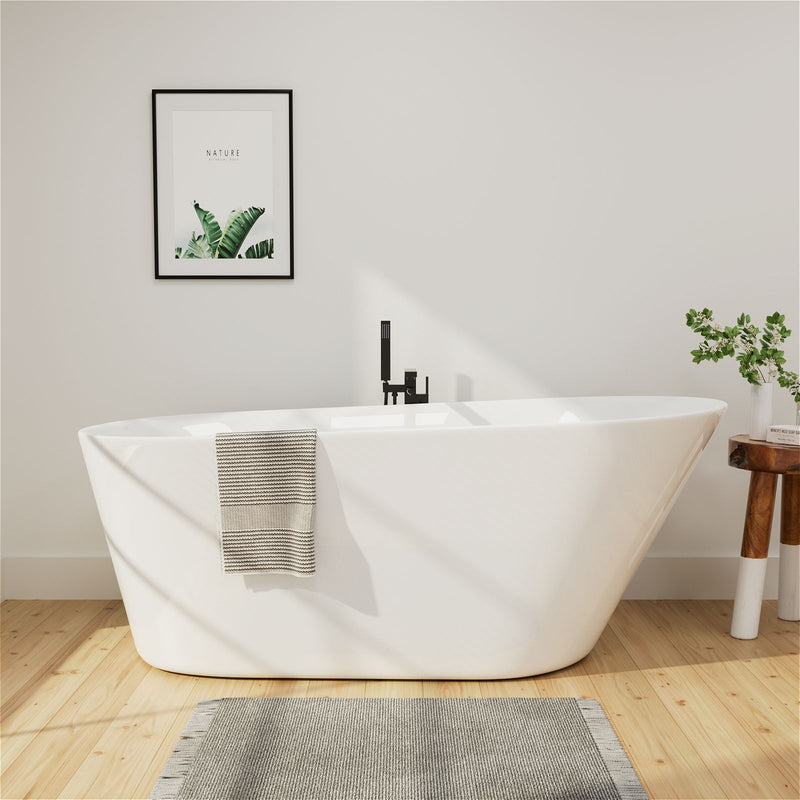
A rectangular tub is a classic choice that fits almost any bathroom style. Whether you're remodeling a small guest bath or designing a spacious master bathroom, how you position and plan around your rectangular tub can make a huge difference in both functionality and visual appeal. The straightforward shape of rectangular tubs offers surprising versatility, allowing for creative layouts that maximize your available space while creating a comfortable bathing experience.
Smart Space Planning for Different Bathroom Sizes
Making the Most of Small Bathrooms
When working with limited square footage, every inch counts. For bathrooms under 50 square feet, consider positioning the tub along the shortest wall or in an alcove to preserve floor space. This approach maintains clear pathways and prevents the room from feeling cramped.
Choosing the right tub dimensions becomes crucial in smaller bathrooms. While standard rectangular tubs typically measure 60 inches in length, compact models as short as 55 inches are available and can provide a comfortable bathing experience without dominating the room. Another excellent option for small spaces is selecting a small but deep tub, which allows for full immersion while taking up less floor space.

To create a feeling of spaciousness in a small bathroom, mirrors can make the area appear larger by reflecting light and extending sight lines. Another effective strategy involves selecting fixtures that serve multiple purposes. A rectangular tub with a specially designed ledge can double as additional surface space for bath products. Similarly, choosing a model with an integrated shower system eliminates the need for a separate shower enclosure, consolidating two functions into a single footprint.
Optimizing Medium to Large Bathrooms
Larger bathrooms offer more flexibility in tub placement but present their own set of design considerations. With more square footage at your disposal, you can position the rectangular tub as a striking centerpiece rather than pushing it against a wall. A freestanding rectangular tub placed strategically in the middle of the room or under a window creates a natural focal point and lends the space an air of luxury and intentionality.
For bathrooms measuring between 50 and 100 square feet, consider creating distinct zones for different functions. You might position the rectangular tub perpendicular to a large window to take advantage of natural light and views, then place the vanity and toilet in separate areas to establish clear functional divisions. This zoning technique helps organize the space logically while preventing it from feeling cavernous or underutilized.
When planning a large bathroom layout, remember to maintain proper proportions between all elements. An undersized tub in a generous space can look misplaced and diminish the overall design impact. For bathrooms exceeding 100 square feet, consider oversized rectangular tubs that offer luxurious soaking experiences while complementing the scale of the room.
Layout Types and Configuration Ideas
Efficient Alcove Installations
The alcove installation represents one of the most space-efficient approaches to incorporating a rectangular tub into your bathroom. This configuration positions the tub within a three-walled enclosure, typically with a showerhead mounted on one wall and a curtain or door closing off the fourth side. Alcove layouts are particularly well-suited to standard-sized rectangular tubs, making them ideal for guest bathrooms, family bathrooms, and other spaces where efficiency takes priority over dramatic presentation.
One significant advantage of the alcove configuration is the opportunity it provides for built-in storage. The walls surrounding the tub can accommodate shelves, niches, or recessed cabinets that keep bath essentials within easy reach without cluttering the visual landscape. This integrated storage solution is both practical and space-conscious, as it utilizes the depth between wall studs rather than encroaching on the bathroom's footprint.
Beyond their practical benefits, alcove installations offer aesthetic flexibility. The surrounding walls can be finished with tile, waterproof panels, or other moisture-resistant materials that either coordinate with or deliberately contrast against the rest of the bathroom. This allows you to create a defined bathing area that feels integrated yet distinct.
Freestanding Placement Options
Freestanding rectangular tubs have surged in popularity, and for good reason: they offer placement flexibility that fixed-position tubs cannot match. Unlike alcove models that must be positioned against walls, freestanding tubs can be installed virtually anywhere in the bathroom, provided plumbing connections can be extended to the location. This liberation from walls opens up creative layout possibilities, from center-room placements that make the tub a sculptural centerpiece to corner orientations that maximize open floor space.
When opting for a freestanding rectangular tub, consider the visual weight and sight lines within the room. A tub positioned perpendicular to the doorway creates an immediate focal point upon entering, while one placed parallel to the longest wall emphasizes the room's length. For bathrooms with attractive architectural features, such as large windows or decorative flooring, positioning the tub to showcase these elements enhances the overall spatial experience.
The material and finish of a freestanding tub significantly influence its visual impact in the space. While classic white acrylic remains popular, consider options like stone resin or matte-finish metals for added texture and sophistication. These material choices can either help the tub blend seamlessly into the overall design or establish it as a contrasting element that commands attention.
Integrating the Tub with Other Bathroom Features
Creating Functional Wet Zones
The concept of wet zones—areas where water use is concentrated—represents an efficient approach to bathroom layout that pairs particularly well with rectangular tubs. By grouping the tub with the shower in a single wet zone, you simplify plumbing requirements while creating a dedicated area for bathing activities. This consolidation prevents water from spreading throughout the bathroom and makes waterproofing more straightforward.
One effective wet zone configuration involves placing the rectangular tub adjacent to the shower enclosure, separated by a glass panel that contains splashes while maintaining visual continuity. This arrangement allows the shower and tub to share a common drain location and water supply lines, reducing installation complexity. For families with young children, this setup is especially practical, as it contains water play to a defined area while allowing supervision from outside the wet zone.
When designing a wet zone, proper flooring is essential. Install slip-resistant tiles with adequate drainage slope to prevent water accumulation and reduce falling hazards. The rectangular tub itself can be equipped with a handheld showerhead for versatile use, either while seated in the tub or standing beside it. This multifunctional approach maximizes the utility of your wet zone while accommodating different preferences and mobility needs among household members.
Strategic Storage Integration
Regardless of bathroom size, storage remains a crucial consideration that directly impacts how functional and organized the space feels. The area around your rectangular tub presents multiple opportunities for incorporating storage that is both accessible and discreet. Recessed shelving within the walls adjacent to the tub, for instance, provides space for bath products without protruding into the room, maintaining clean sight lines and reducing clutter.
For freestanding tubs, consider nearby storage solutions that complement rather than crowd the fixture. A slender console table placed behind or beside the tub can hold towels and bathing essentials while adding to the decorative scheme. Similarly, wall-mounted shelves or a small cabinet on the wall nearest to the tub keeps necessities within arm's reach without compromising the open feeling that makes freestanding tubs so appealing.
Built-in tub configurations offer the most extensive storage possibilities. The surrounding deck or platform can incorporate drawers, cabinets, or open cubbies that accommodate everything from linens to cleaning supplies. For a streamlined look, choose push-to-open mechanisms instead of visible hardware, maintaining the seamless aesthetic. If your tub is positioned beneath a window, consider shallow storage integrated into the windowsill itself—perfect for holding a book, small speaker, or bath salts.
Practical Installation Considerations
Plumbing and Drainage Planning
Proper plumbing planning forms the foundation of a successful rectangular tub installation. The location of existing drain and water supply lines may influence where you can position your tub, particularly if you're working with a limited budget that doesn't allow for extensive plumbing modifications. Before settling on a tub placement, consult with a professional to understand what plumbing adjustments your desired layout would require.

Freestanding tubs offer more flexibility in this regard, as their plumbing can be configured as exposed or concealed elements depending on your preference and existing infrastructure. Exposed plumbing—with floor-mounted tub fillers and visible pipes—has become a design statement in its own right, particularly in industrial and vintage-inspired bathrooms. Concealed plumbing, which requires access through walls or floors, creates a cleaner look but may involve more extensive construction work.
Drainage represents another important consideration. While most rectangular tubs place the drain at one end, some center-drain models are available and may better suit your plumbing configuration or aesthetic preferences. Additionally, consider the practical aspects of drain access for potential future repairs; ensuring that the drain remains accessible can save significant time and expense down the line.
Structural Requirements and Support
The weight of a filled rectangular tub represents a substantial load that your bathroom floor must safely support. A standard 60-inch acrylic tub holds approximately 40-50 gallons of water, weighing 330-415 pounds plus the tub's own weight and the bather's weight. Larger tubs can hold 80-100 gallons or more, adding over 800 pounds of water weight alone. Before installation, ensure your floor structure can handle these demands, especially in older homes where joists may have weakened over time.
Even lighter materials like acrylic may require reinforcement when installed in large formats or in homes with minimal floor construction. This preliminary assessment prevents costly structural issues and ensures your safety. Proper leveling during installation is crucial for both functionality and longevity. An unlevel tub can lead to drainage issues, standing water, and uneven stress distribution that may cause cracks over time.
For acrylic and fiberglass tubs, some manufacturers recommend setting the tub in a mortar bed to prevent flexing under weight—follow these specifications carefully to ensure optimal performance. Use a quality spirit level to check both side-to-side and end-to-end levelness, making adjustments with plastic shims as needed. Taking these precautions during installation will ensure your tub performs well for years to come.
FAQs
What is the minimum space required for a rectangular tub?
The minimum space required depends on the tub's specific dimensions, but compact rectangular tubs can fit in spaces as short as 55 inches in length and 30 inches in width. Beyond the tub's footprint, you'll need to account for clearance space around it for access and cleaning. For comfortable use, most designers recommend at least 21 inches of clear space in front of the tub for entry and exit.
Can I install a rectangular tub in a very small bathroom?
Yes, rectangular tubs can be installed in small bathrooms with careful planning. Look for compact models specifically designed for limited spaces, and consider alcove installations that maximize floor area. Space-saving strategies like corner positioning and combination tub-shower units can make rectangular tubs feasible even in bathrooms under 40 square feet.
What layout works best for shared family bathrooms?
In shared family bathrooms, functionality and durability take priority. An alcove rectangular tub with a shower combination typically works best, as it contains water effectively and withstands heavy use. Include ample, accessible storage for family members' needs, and choose materials that are easy to clean and maintain. Proper zoning that separates the bathing area from the vanity and toilet facilitates multiple users.
How much does rectangular tub installation typically cost?
Installation costs vary widely based on the tub type, materials, and plumbing modifications required. Basic alcove tub installations start around $400-$600, while freestanding models typically range from $800-$2,000 installed. Custom built-in installations can exceed $3,000, especially if they involve structural modifications or custom cabinetry. Always obtain multiple quotes from licensed professionals for accurate pricing.
What should I consider when choosing between alcove and freestanding?
Consider your space, budget, and design preferences. Alcove tubs are more space-efficient and budget-friendly, making them ideal for standard bathrooms and family homes. Freestanding tubs offer greater design flexibility and often create a more dramatic visual statement but require more floor space and typically cost more to purchase and install. Your decision should balance practical constraints with your desired aesthetic outcome.
Conclusion
Successful rectangular tub layout requires thoughtful consideration of your available space, functional needs, and personal style. Whether you're renovating a cozy guest bath or designing a spacious master suite, the versatile rectangular tub can be configured to enhance both the practicality and beauty of your bathroom. By applying the principles outlined in this guide—from strategic space planning to proper installation techniques—you can create a bathing area that delivers daily satisfaction and long-term value.
Remember that the most successful layouts balance aesthetic appeal with real-world functionality, resulting in a space that feels both beautiful and genuinely useful in your daily routine. With careful planning and attention to both broad concepts and fine details, your rectangular tub can become the centerpiece of a bathroom that serves your needs perfectly for years to come.