The bathtub is more than just a place to get clean. It's often the centerpiece of your bathroom, setting the tone for the entire space. One of the most fundamental decisions you'll make is choosing its color. For decades, the classic white bathtub has been the default, symbolizing cleanliness and simplicity. Today, however, colored bathtubs are making a strong comeback, offering a way to express personal style and create a unique mood.
The choice between a white tub and a colored tub isn't just about picking a favorite shade. It involves thinking about the long-term look of your bathroom, how the space feels, and even the practicalities of maintenance and future home sales. A white tub might offer timeless appeal, while a colored one can introduce personality and contemporary flair. This guide will walk you through the pros and cons of each, current design trends, and key factors to consider, helping you decide which option will make your bathroom not just look better, but feel right for you.
The Case for the Classic White Bathtub
The enduring popularity of the white bathtub is no accident. It offers a set of reliable advantages that continue to make it a top choice for many homeowners.
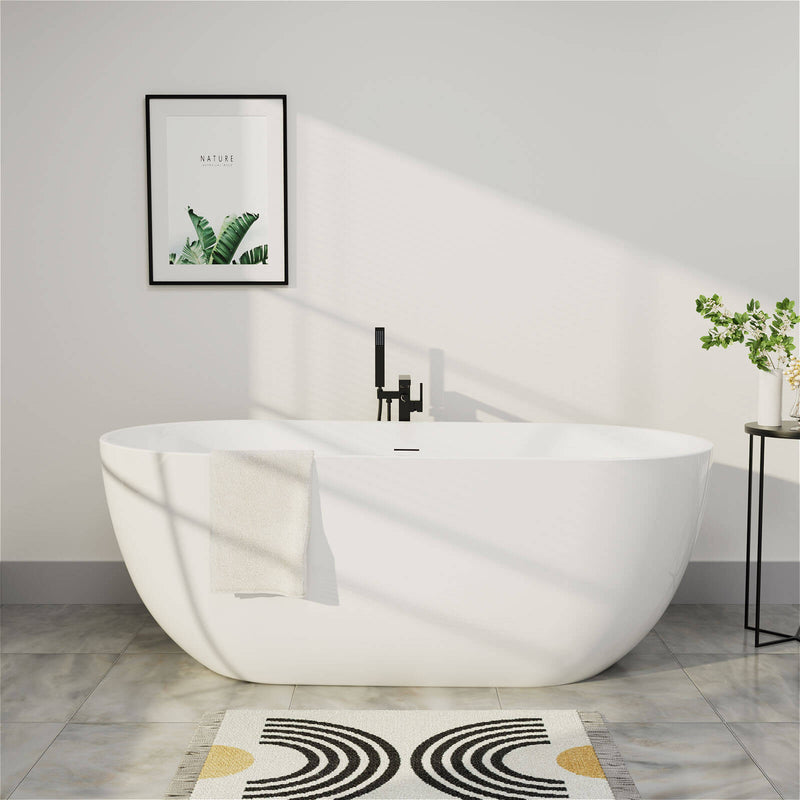
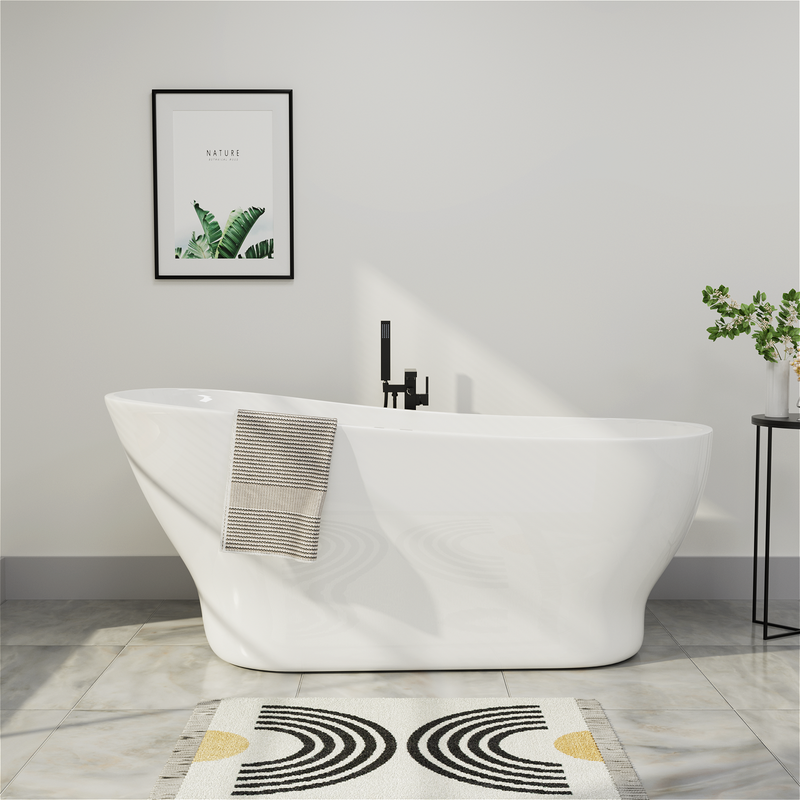
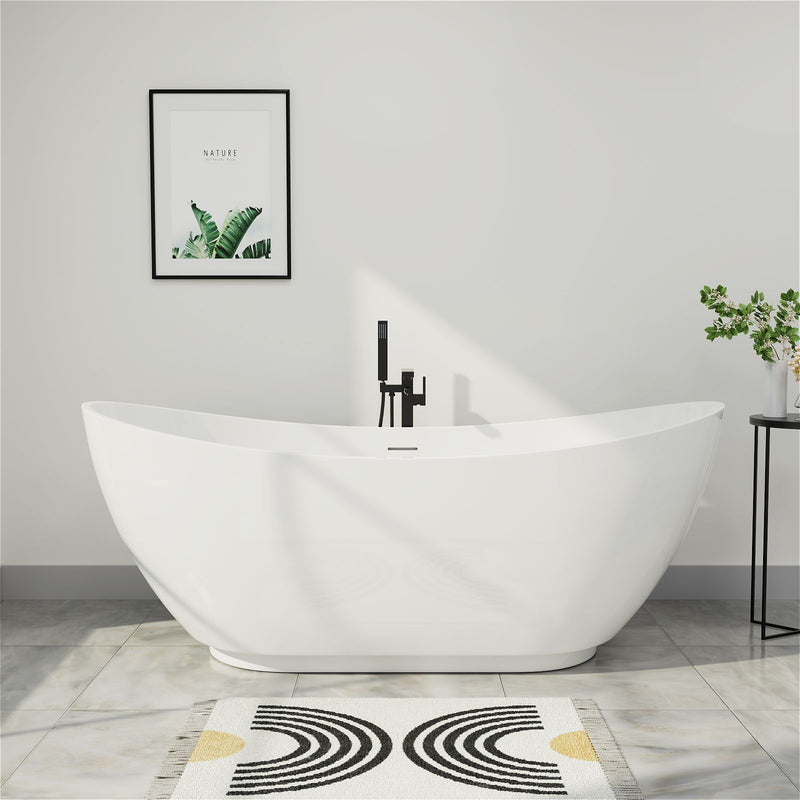
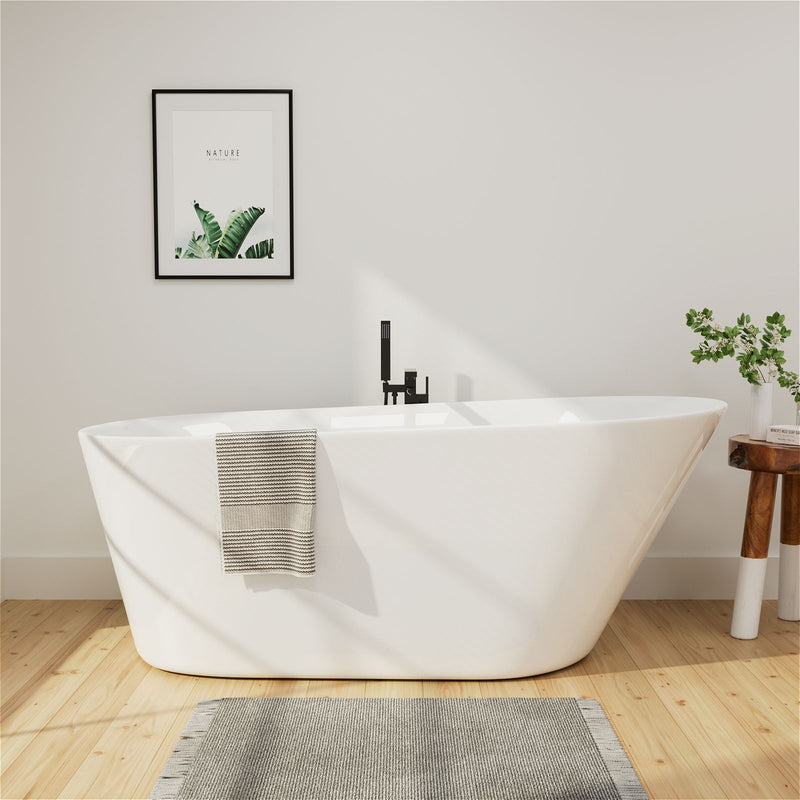
First and foremost, a white tub is the ultimate tool for creating a sense of brightness, cleanliness, and space. Its reflective surface bounces light around the room, which is especially valuable in bathrooms that are small or lack natural light. This quality can make the entire space feel larger, more open, and airy. The association with cleanliness and hygiene is powerful and universal, contributing to a fresh and serene atmosphere.
From a design perspective, white is the height of versatility and timelessness. It acts as a neutral canvas, providing a clean backdrop that allows other elements in your bathroom to shine. Whether your style is traditional, modern, Scandinavian, or minimalist, a white tub fits in seamlessly. It pairs effortlessly with any cabinet color, tile pattern, or metal finish you choose. This neutrality also makes it a safe choice for resale value. Because it appeals to the broadest range of tastes, a white bathroom is less likely to deter potential future buyers who might be wary of bold, personalized color choices.

On a practical level, white tubs, particularly those made from materials like porcelain enamel, are known for being easy to clean and maintain. Stains and water spots are often more visible, which can be a motivator for regular cleaning, and common household cleaners are usually safe to use. While some materials may be prone to showing wear over time, the widespread availability of white fixtures makes finding replacements or refinishing products straightforward.
The Rise of the Colored Bathtub: Personality and Mood
Moving away from white allows you to treat your bathroom as a true design space. Colored bathtubs are a statement, transforming the tub from a mere fixture into a focal point or an integrated element of a curated aesthetic.
The most significant advantage of a colored tub is the powerful expression of personal style. It allows you to break from convention and create a bathroom that feels uniquely yours. Color can be used to create different moods: deep blues or greens for a spa-like, calming retreat, warm terracotta or muted sage for a natural, grounded feel, or even a bold jewel tone for a dose of drama and luxury.
Modern trends strongly favor this personalized approach. Design is shifting from purely functional spaces to those that cater to emotion and well-being. The latest trends in bathrooms highlight a move towards rich, earthy tones and muted, sophisticated hues. Think warm taupes, soft greiges, deep charcoal, forest green, and navy blue. These colors contribute to a design philosophy known as "quiet luxury," which focuses on texture, subtlety, and sensory experience rather than loud statements. A colored tub in one of these shades can be the anchor for this entire look.
When executed well, a colored tub can create a incredible sense of design cohesion and depth. Instead of contrasting with the walls, a colored tub can be matched or coordinated with cabinetry, wall tiles, or accessories for a monolithic, custom-built look. This "tone-on-tone" approach, where different elements share a similar color family but vary in texture, is a hallmark of high-end contemporary design. It makes the space feel intentional, sophisticated, and thoughtfully designed.
Key Factors to Guide Your Choice
With an understanding of what each option offers, you can make your decision by evaluating your specific bathroom and lifestyle against these key factors.
Bathroom Size, Layout, and Light
This is a practical starting point. As a general rule, white is the friend of a small or dark bathroom. Its light-reflecting quality helps the space feel less confined. If your bathroom is spacious and well-lit, you have more freedom to experiment with darker or more saturated colors without the risk of making it feel like a cave. In a smaller space, if you desire color, consider using it on a single accent wall or in accessories, and keeping the tub itself white to maintain an open feel.
Your Overall Design Style and Vision
What is the story of your bathroom? For a minimalist, modern, or traditional style, a white tub is almost always a perfect fit. For an organic modern, eclectic, or maximalist style, a colored tub can be a defining element. Consider the other materials in the room—natural wood, stone tiles, metallic finishes—and decide if you want the tub to blend in (white) or become a complementary colored element (colored).

Long-Term Plans and Resale Considerations
Are you designing your forever home or a space you may sell in a few years? If resale is a major concern, the safe, broad appeal of white is a significant advantage. A boldly colored bathroom can polarize potential buyers. If you love color but are worried about resale, opt for a trendy but neutral-like color (like a soft grey or a very muted green) or integrate color through easily changeable elements like paint, towels, and art, keeping the permanent fixtures white.
Maintenance and Durability Perceptions
There's a common belief that colored tubs, especially darker ones, hide soap scum and water spots better than white ones. While this can be true for light dust and splashes, some colored surfaces, particularly matte finishes, can show mineral deposits from hard water more clearly. It's crucial to research the specific material of the tub, as some colored acrylics may be more susceptible to fading or surface wear over time compared to porcelain enamel. Always follow the manufacturer's cleaning guidelines to preserve the finish, regardless of color.
Finding a Middle Ground: Alternatives and Tips
If you're torn between the two, there are clever compromises that offer the best of both worlds.
The Accented White Tub: Choose a classic white tub but install a boldly colored or statement faucet (in black, gold, or brushed nickel) and matching accessories. This draws the eye and adds personality without the permanence of a colored tub.
The Two-Tone Bathroom: This is a highly effective strategy. Pair a white bathtub with colored cabinetry (like deep blue or green vanity) or vice-versa. This creates visual interest and a designer look while keeping the space feeling balanced and anchored by a neutral.
Color Through Surrounds: Instead of the tub itself, use color in the tile surround. A white freestanding tub against a wall of beautiful, colored subway tiles or patterned cement tiles makes a stunning impact.
Testing is Key: Always get large physical samples of colors. Paint a big swatch on the bathroom wall, or hold tile and material samples next to each other in the room's actual light—both day and night. A color that looks soft in the showroom can feel overwhelming under your bathroom's specific lighting.
FAQs
Q1: Are colored bathtubs more expensive than white ones?
Often, yes. White is the standard, mass-produced color for most bathtub materials. Colored finishes, especially custom or high-end specialty hues, frequently involve an upcharge due to different manufacturing processes, smaller production runs, and the use of premium pigments.
Q2: Do colored bathtubs go out of style quickly?
They can, depending on the color. A bright, trendy color from a specific decade may date the bathroom. However, the current trend is towards muted, earthy, and neutral-like colors (like sage green, navy, charcoal, or terracotta), which have more staying power than the bright pastels or avocados of the past. Choosing a color you personally love is always the best defense against fleeting trends.
Q3: Is it harder to clean a colored bathtub?
Not necessarily harder, but it can be different. While colored tubs might show less day-to-day splashing, they can sometimes reveal different kinds of stains, like hard water mineral deposits (often white or chalky), more clearly. Always use non-abrasive cleaners recommended for the tub's specific material (acrylic, enameled steel, etc.) to avoid damaging the finish.
Q4: Can I paint or refinish an old bathtub a new color?
Yes, professional bathtub reglazing or refinishing is a common service. It can be a cost-effective way to change from a worn white tub to a fresh new color without a full replacement. However, the durability of a professional refinish, while good, is generally not as long-lasting as the original factory finish. DIY bathtub painting kits are available but are often less durable and require meticulous preparation.
Q5: What if I want a colored tub but have a very small bathroom?
You can still do it, but choose wisely. Opt for a lighter, softer color (a pale grey, a very soft seafoam, a warm beige) rather than a deep, dark one. Ensure you have excellent, layered lighting (overhead, sconces) to prevent the space from feeling dark. Keeping everything else in the room light and bright—white walls, light flooring—will help balance the colored tub.
Conclusion
The debate between a white tub and a colored tub doesn't have a single winner. The right choice is the one that wins for your home.
The white bathtub remains a champion of light, space, and timeless flexibility. It's a safe, elegant, and perpetually stylish choice that makes your bathroom look clean, bright, and welcoming to all.
The colored bathtub is a champion of personality, mood, and modern design. It offers a unique opportunity to craft a deeply personal and on-trend sanctuary that reflects your individual style.
Look at your bathroom's physical attributes, be honest about your style preferences, and consider your future plans. Whether you choose the serene certainty of white or the expressive potential of color, your decision should ultimately create a space where you can unwind, refresh, and feel perfectly at home.