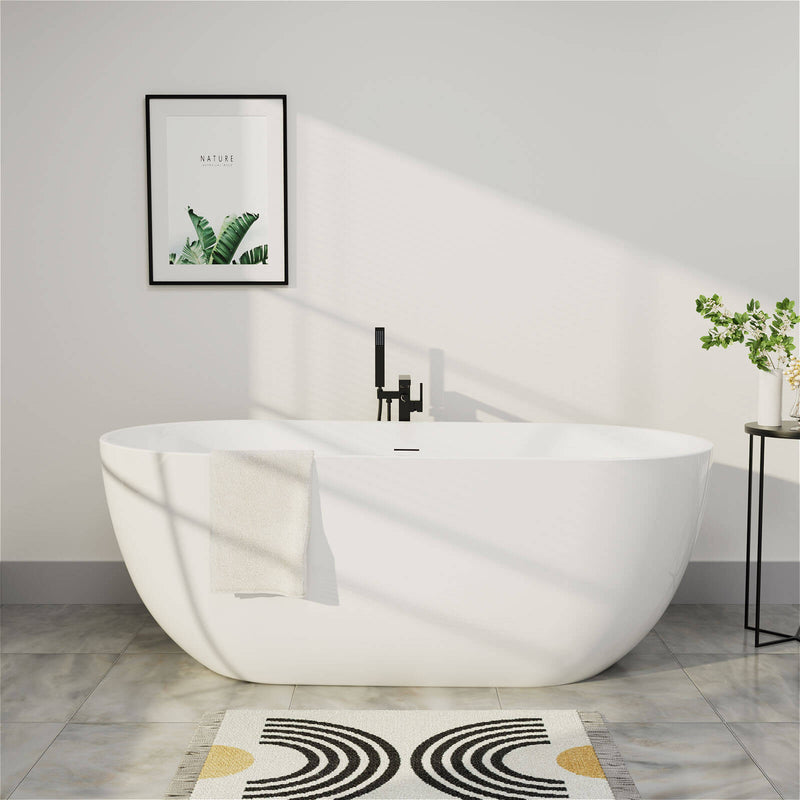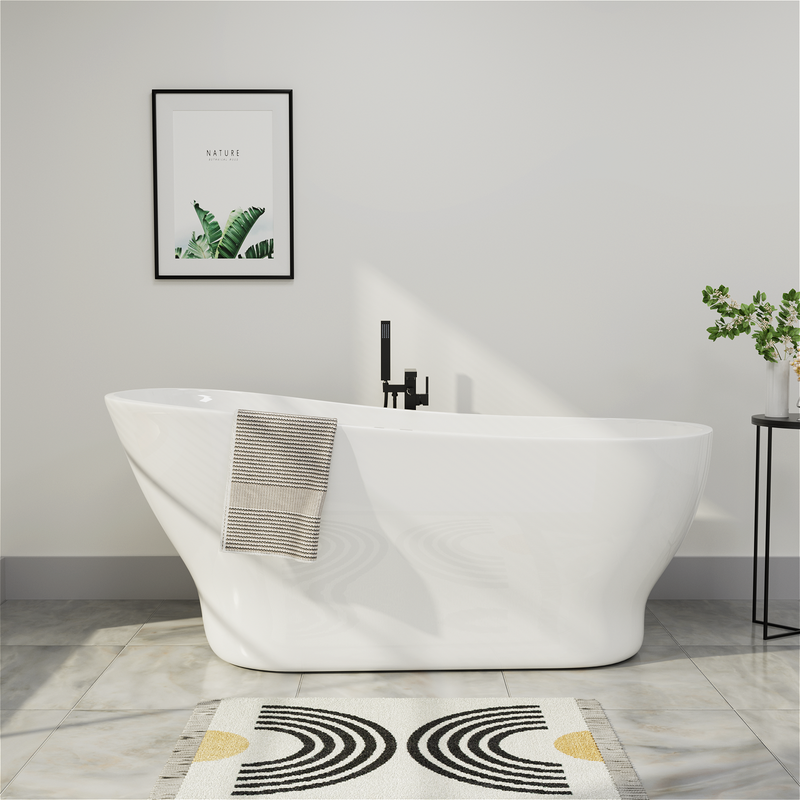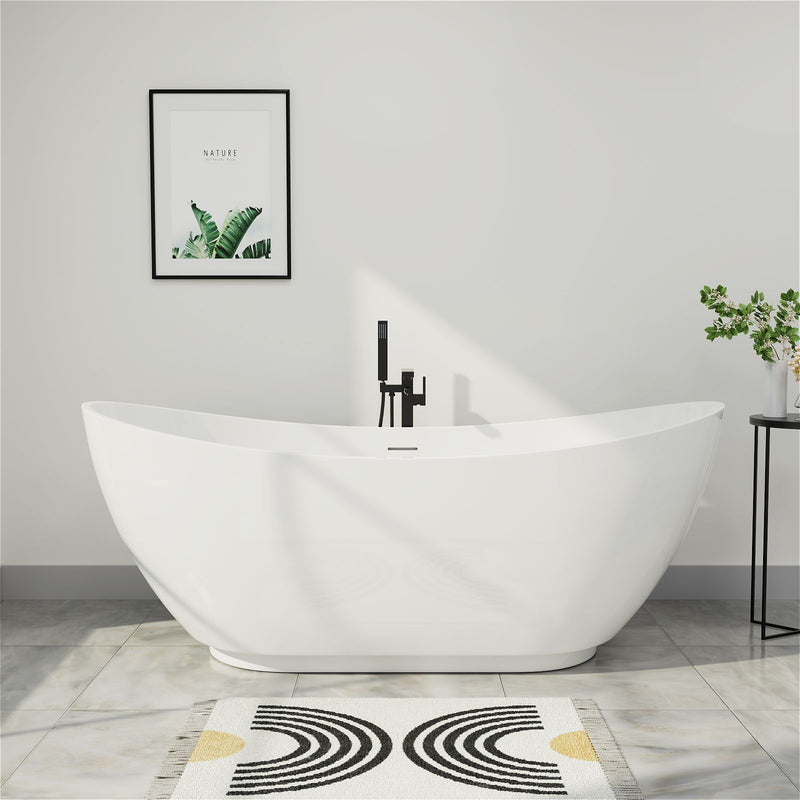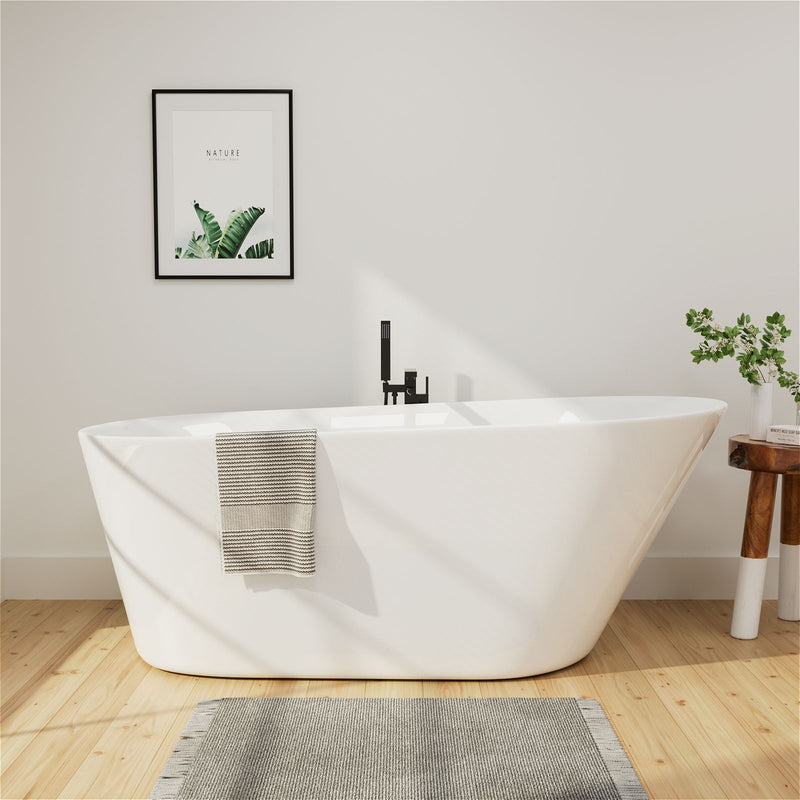
When you are choosing a bathtub, few options offer the blend of modern style, comfort and value like a white acrylic tub. Its bright, clean look fits almost any bathroom design and it feels warm to the touch. This is a welcome contrast to cold metal or porcelain. But a common question holds many buyers back. "Are white acrylic bathtubs actually durable?"
The short answer is yes. A high-quality white acrylic bathtub can be a very durable and long-lasting choice for your home. However, its longevity is not just about the material itself. It is a result of the tub's quality, how it is installed and, most importantly, how you care for it over the years.
Durability means different things to different people. For some, it is about resisting scratches and stains. For others, it is about the tub keeping its bright white color without yellowing or maintaining its structural integrity for decades. This guide will explore all these aspects in plain language. We will break down what acrylic is, what makes one tub more durable than another and give you practical steps to ensure your bathtub remains a centerpiece of your bathroom for 15 years or more.
Understanding Acrylic Bathtub Construction
To judge durability, it helps to know what you are buying. A bathtub labeled "acrylic" is rarely made from acrylic alone. It is more accurately a composite product and the quality of this construction is the biggest factor in how long it will last.

A typical acrylic bathtub is built like a sandwich. The top layer that you see and touch is a solid sheet of acrylic, often made from a material called PMMA (polymethyl methacrylate). This layer is prized for its deep, glossy finish, its ability to be molded into various shapes and its warm feel. Beneath this surface layer is a reinforcing material, most commonly fiberglass and resin. This backing provides the tub's strength and rigidity. It prevents the tub from flexing or cracking under weight and pressure.
The durability of the entire unit hinges on how well these layers are bonded together during manufacturing. High-quality tubs undergo a process where the acrylic is heated and vacuum-formed over a mold. Then the fiberglass reinforcement is meticulously applied to create a single, solid unit. In lesser-quality tubs, this bond can be weaker. This can lead to potential problems like delamination, where the layers separate. Delamination feels like a soft or flexible spot on the tub floor.
What Determines How Long Your Tub Will Last?
Several key factors directly influence the lifespan of your white acrylic bathtub. Think of these as the pillars of durability.
Material Quality and Thickness
Not all acrylic is created equal. Premium tubs use high-grade, virgin acrylic sheets that are resistant to UV degradation and chemicals. The thickness of the acrylic sheet is also crucial. While industry standards can vary, a good-quality tub will have a substantial feel. Thinner materials are more prone to cracking, scratching and developing a "wavy" appearance over time. When shopping, a heavier tub often indicates better materials and more robust construction.
The Importance of Reinforcement
The fiberglass backing is the skeleton of the tub. A thick, evenly applied layer of fiberglass and resin is what allows an acrylic tub to withstand daily use. This reinforcement prevents flexing. This is critical because constant flexing can eventually lead to micro-cracks in the acrylic surface and compromise the structural integrity. A well-reinforced tub will feel solid and unmoving when you press on its sides or stand in it.
Environmental and Usage Factors
Your own habits and bathroom environment play a huge role. Acrylic has a high resistance to most common bathroom chemicals and stains, but it can be damaged by extreme heat and harsh cleaners. Similarly, while the surface is quite tough, dragging heavy, sharp objects across it can cause scratches. Furthermore, a bathtub that is improperly installed will be under constant stress. Improper installation means it is not level or does not have proper support. This dramatically shortens its life regardless of its initial quality.
How to Choose a Durable White Acrylic Bathtub
You can stack the odds in your favor by knowing what to look for when you shop. Here is a practical checklist for selecting a tub built to last.
First, inspect the surface and finish. Look at the tub in good light. The surface should be perfectly smooth, with a deep, even gloss and no visible ripples, dimples or cloudiness. Run your hand along the inside. It should feel flawlessly smooth. Be wary of any surface that looks dull, has a rough texture or shows a pattern like "orange peel." These can be signs of lower-grade materials or poor manufacturing.
Second, assess the structure and stiffness. Do not be afraid to give the tub a gentle press test. Push on the sides, the bottom and especially the center of the floor. A quality tub will have very little give or flex. It should feel rigid and solid. If the walls or floor flex easily or feel spongy, it is a sign of insufficient reinforcement. This is a red flag for long-term durability.
Finally, research and understand warranties. A manufacturer's warranty is a strong indicator of their confidence in the product. Look for a warranty that specifically covers the acrylic surface against cracking, peeling and excessive fading or yellowing for a significant period. A reputable company will stand behind a well-made tub with a warranty of 10 years or more. A shorter or vague warranty might indicate lower expected longevity.
Installation and Support: The Foundation of Durability
Even the best bathtub can fail if it is not installed correctly. Professional installation is highly recommended. It addresses several critical factors that DIY projects often miss.
The single most important aspect of installation is providing a perfectly level and fully supportive base. An acrylic tub must be supported across its entire underside. Any gaps or unevenness in the support frame or the floor beneath will create pressure points. When the tub is filled with water and a person, these unsupported areas will flex. Over time, this repeated stress flexing is a leading cause of cracks in the acrylic surface. It can also damage the plumbing connections, leading to leaks.
A professional installer will also ensure all plumbing connections are secure and accessible. They will properly install and test the drain and overflow assembly to prevent leaks. Leaks could cause water damage to your floor and the tub's support structure. They will also make sure an access panel is available for any future maintenance needs. Proper installation is not just about making the tub work on day one. It is about creating a stable, supportive environment where the tub can perform reliably for its entire design life.
Caring for Your White Acrylic Bathtub
Durability is not just about manufacturing and installation. Ongoing care is the final, essential piece. With the right maintenance routine, you can preserve that like-new look and feel for many years.

Daily and Weekly Cleaning
The golden rule is to use gentle, non-abrasive tools and cleaners. After each use, a simple rinse with warm water can wash away soaps and residues. For weekly cleaning, use a soft cloth or sponge with a mild, pH-neutral liquid cleaner. Dish soap or cleaners specifically formulated for acrylic surfaces are excellent choices. It is crucial to avoid abrasive scrub pads, powdered cleansers or harsh chemicals like bleach or ammonia-based products. These will dull the high-gloss finish over time. They create a network of tiny scratches that make the tub look old and can harbor dirt.
Preventing Stains and Scratches
Develop habits that protect the surface. Avoid dropping heavy toiletry bottles or shaving kits into the tub. If you use bath oils or heavily pigmented products, rinse the tub soon after draining to prevent stains from setting. For deep cleaning or removing a hard water stain, you can use a paste of baking soda and water. Apply it gently with a soft cloth. Never use knives, razor blades or other sharp objects to scrape something off the surface.
Addressing Minor Damage
One of acrylic's praised features is that minor surface scratches can often be polished out. For very light scratches, a specialized acrylic polishing compound can restore clarity. For more significant scratches or stains, there are professional bathtub refinishing services that can restore the surface. Taking care of small issues promptly prevents them from becoming bigger problems.
FAQs
How long does a typical white acrylic bathtub last?
With proper care and installation, a good-quality white acrylic bathtub can easily last 10 to 15 years. Many last even longer. Its lifespan is directly tied to the quality of materials, the rigor of installation and the consistency of gentle maintenance.
Do white acrylic tubs turn yellow over time?
High-quality acrylic is resistant to yellowing. Discoloration is more often caused by surface damage from harsh cleaners, which dull the finish, or by soap scum and mineral deposits. Using recommended cleaners and avoiding abrasive products is the best way to keep your tub bright white. Lower-grade acrylic materials may be more susceptible to UV degradation and yellowing.
Are acrylic tubs prone to cracking?
Acrylic is a flexible material that is actually more resistant to impact chipping than materials like enameled steel or cast iron. However, it can crack if subjected to a severe, sharp impact. More commonly, cracking occurs from long-term stress due to improper installation and lack of support underneath the tub.
Can an acrylic bathtub be repaired if it gets damaged?
Yes, minor scratches can often be polished out. For deeper scratches, stains or small cracks, professional repair and refinishing kits are available. These services can sand down the damaged area and apply new coatings. This makes the tub look new again at a fraction of the cost of replacement.
How does acrylic compare to fiberglass for durability?
Acrylic is generally considered more durable than standard fiberglass. Acrylic tubs typically have a thicker, non-porous surface layer. This layer is more resistant to scratches, stains and fading compared to the thinner gel coat surface of a fiberglass tub. Acrylic also tends to feel more solid and less flexible.
Is acrylic as durable as cast iron?
They are durable in different ways. Cast iron with a porcelain enamel finish is exceptionally hard and resistant to scratches and abrasion. However, the enamel can chip from a heavy impact. Acrylic is warmer, lighter and more resistant to chipping from impacts, but its surface can be scratched more easily if abused. Both are excellent long-life options when chosen and cared for correctly.
Conclusion
So, are white acrylic bathtubs durable? The evidence shows they certainly can be. Their durability is not a simple yes or no. It is a spectrum that depends on deliberate choices. It starts with selecting a well-made tub with good materials and solid construction. It is secured by a professional installation that provides full, level support. And it is preserved for the long term through consistent, gentle care.
A white acrylic bathtub offers a fantastic balance of aesthetic appeal, comfort and practical longevity. By understanding the factors that contribute to its lifespan and taking an active role in its selection and upkeep, you can confidently invest in an acrylic tub. It will provide a relaxing retreat in your home for well over a decade. It is a choice that proves you do not have to sacrifice style for substance or comfort for durability.