If you own an acrylic tub, you have probably wondered whether bath salts are safe to use without damaging the finish. The short answer is yes, you can use bath salts in an acrylic bathtub, but the type of salt, how often you use it, and how well you rinse the tub afterward all matter. Some bath salts dissolve cleanly and leave no issues, while others can create residue, dull the surface, or contribute to fine scratches over time.
This guide explains exactly how bath salts interact with an acrylic tub, what risks homeowners often overlook, and how to enjoy a spa style soak without shortening the life of your bathtub. You will also learn the best cleaning practices, designer recommendations, and the most common mistakes that lead to expensive refinishing work.
What Makes an Acrylic Tub Different From Other Bathtubs?
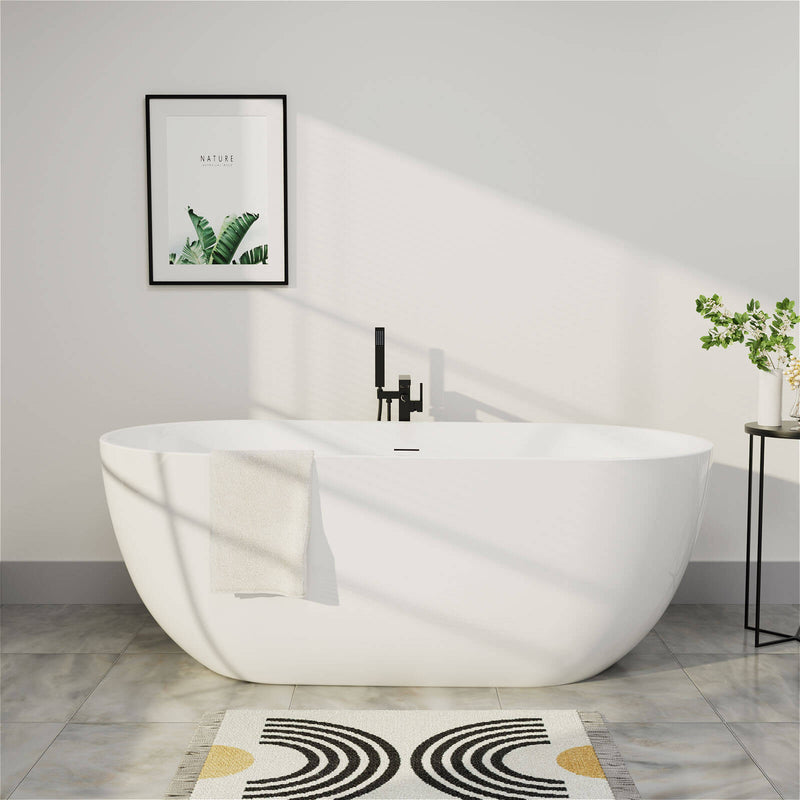
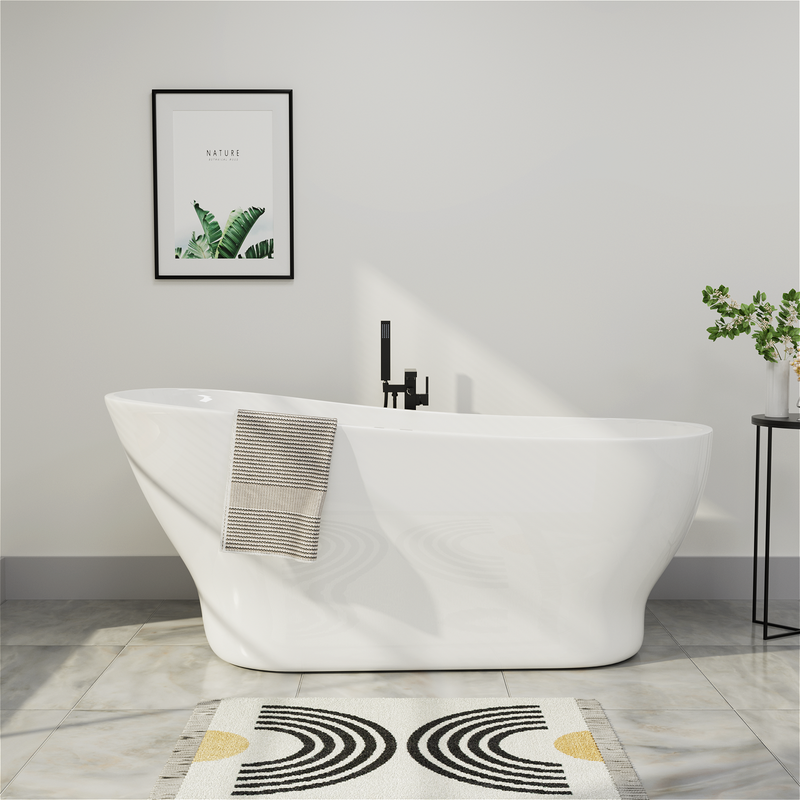
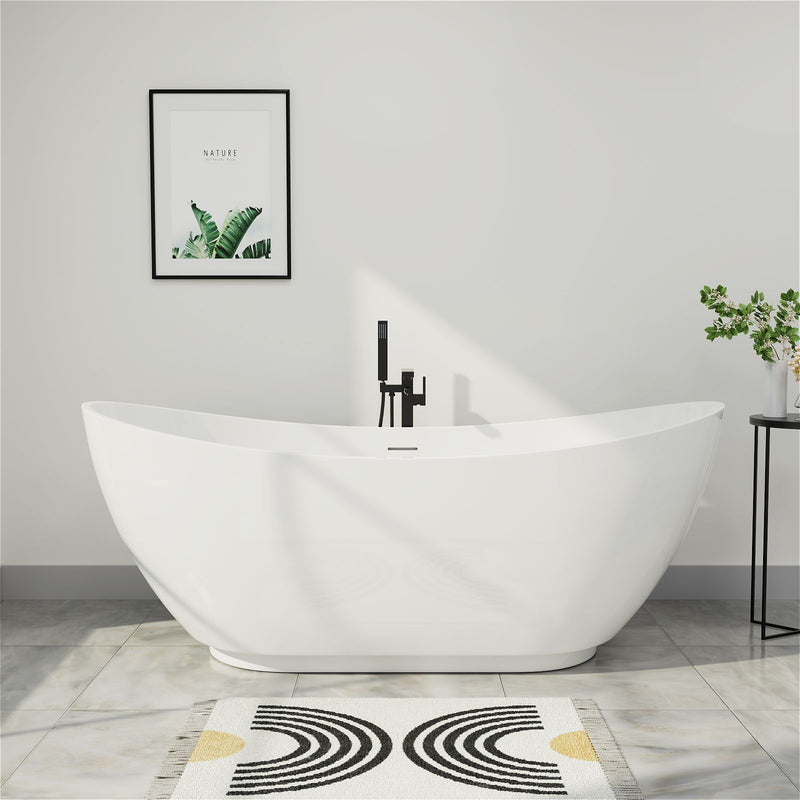
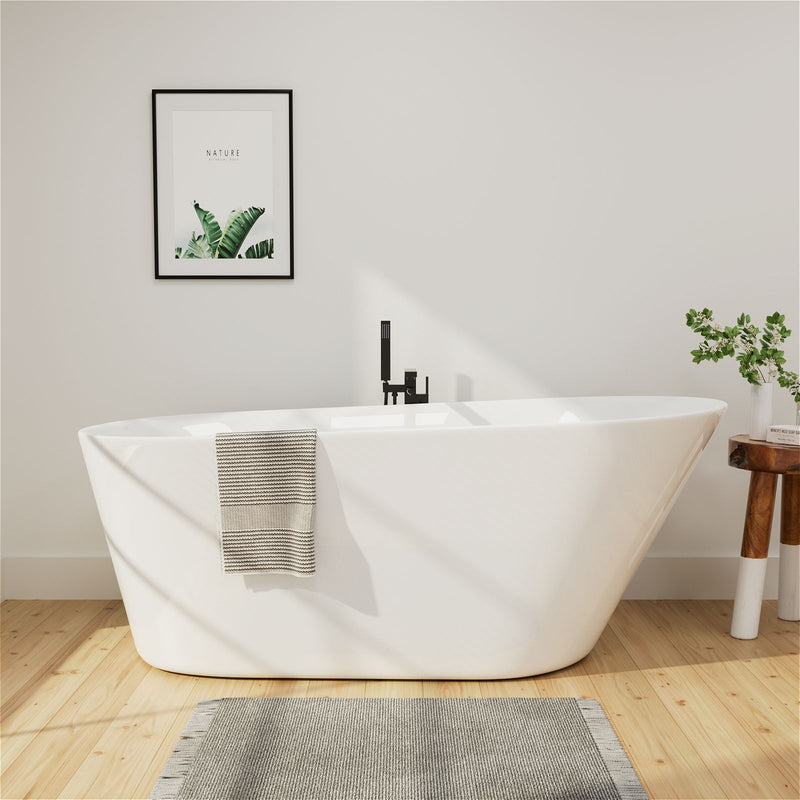
An acrylic tub is made from vacuum formed acrylic sheets reinforced with fiberglass. This construction makes the tub lightweight, warm to the touch, and more affordable than cast iron or stone alternatives.

One reason acrylic bathtubs are popular in modern American homes is comfort. Acrylic retains heat better than many traditional materials, making long soaks more enjoyable. It is also easier to install in second floor bathrooms because of its lighter weight.
However, acrylic surfaces are softer than porcelain or cast iron enamel. That softer finish is where bath salt concerns begin. Certain abrasive particles and mineral residues can slowly wear down the glossy coating if not managed properly.
Homeowners often assume all bath additives are harmless because they dissolve in water. In reality, some coarse bath salts behave differently depending on water temperature and how quickly they break down.
Can You Use Bath Salts in an Acrylic Tub Safely?
Yes, most bath salts are safe for an acrylic bathtub when used correctly. The key is choosing high quality salts that dissolve fully and avoiding products with large jagged crystals.
Fine grain bath salts dissolve quickly and are less likely to sit against the acrylic surface. Coarse mineral chunks can sometimes remain partially undissolved, especially in cooler water, which may create micro scratches if rubbed against the tub during cleaning.
To use bath salts safely in an acrylic tub:
- Fill the tub with warm water first
- Add salts gradually while water is running
- Stir the water to encourage full dissolving
- Rinse the tub thoroughly after draining
- Wipe the surface dry with a soft microfiber cloth
These small habits dramatically reduce residue buildup and preserve the smooth finish of the acrylic surface.
Which Bath Salts Are Best for an Acrylic Bathtub?
Not all bath salts perform the same way in an acrylic bathtub. Texture and mineral concentration both matter.
Fine Grain Epsom Salts
Fine grain Epsom salts are usually the safest option because they dissolve quickly in warm water. They also leave less sediment behind after draining.
Many homeowners prefer them for muscle recovery and stress relief because they create minimal cleanup afterward.

Dead Sea Salts
Dead Sea salts contain higher mineral concentrations. While generally safe, they can leave more noticeable residue inside an acrylic tub if the surface is not rinsed properly.
Using a soft cloth immediately after bathing prevents mineral film from developing.
Colored or Fragranced Bath Salts
This is where caution matters most. Some artificial dyes and heavy oils can cling to acrylic surfaces and leave staining over time.
Highly pigmented bath products are especially risky in white acrylic bathtubs because discoloration becomes more visible.
Large Decorative Salt Crystals
Oversized crystals look luxurious but are often the worst option for acrylic tubs. They dissolve slowly and can create friction against the finish.
Many interior designers recommend avoiding decorative chunky salts entirely for daily use in acrylic soaking tubs.
What Damage Can Bath Salts Cause to an Acrylic Tub?
Bath salts rarely cause immediate visible damage. The real issue is cumulative wear over months or years.
Surface Dulling
Mineral residue can slowly reduce the glossy appearance of an acrylic bathtub. This is especially common in homes with hard water.
Acrylic naturally has a polished sheen. When salt deposits remain on the surface repeatedly, that shine can fade unevenly.
Fine Scratches
Undissolved salt particles combined with aggressive scrubbing are one of the most common causes of micro scratches.

The problem often happens during cleaning rather than during the bath itself. Homeowners notice cloudy areas and attempt to scrub harder, which worsens the issue.
Residue Buildup Around Drains
Bath salts mixed with body oils may collect around overflow drains and lower tub edges. Over time, this buildup becomes harder to remove without stronger cleaners that may harm acrylic surfaces.
Long Term Staining
Some scented bath products contain oils and dyes that penetrate microscopic surface imperfections. Repeated use can create yellowing or tinted patches in lighter colored tubs.
How Often Can You Use Bath Salts in an Acrylic Bathtub?
For most households, using bath salts two to three times per week is perfectly reasonable with proper maintenance.
Luxury bathroom designers often recommend balancing spa treatments with routine surface care rather than eliminating bath products entirely. Acrylic tubs are designed for regular bathing use. Problems usually come from neglecting cleanup afterward.
If you enjoy daily baths, rotating between plain soaking sessions and salt baths can help minimize mineral accumulation.

Pay attention to these warning signs:
- Cloudy surface appearance
- Rough texture after drying
- White mineral rings
- Persistent oily film
- Difficulty restoring shine
These symptoms usually indicate cleaning habits need adjustment rather than permanent damage.
How Should You Clean an Acrylic Tub After Using Bath Salts?
Cleaning properly is the difference between an acrylic tub lasting five years versus fifteen years.
Step 1: Drain Immediately
Do not allow salty water to sit in the bathtub after use. Standing minerals increase the chance of residue drying onto the surface.
Step 2: Rinse With Warm Water
Use the showerhead or a clean bucket to rinse every section of the tub, including corners and overflow areas.
Warm water helps dissolve remaining salt particles before they harden.
Step 3: Use a Soft Cloth
Avoid abrasive sponges or stiff brushes. Acrylic scratches more easily than many homeowners realize.
A microfiber cloth works best for routine maintenance.
Step 4: Use Acrylic Safe Cleaners
Choose non abrasive cleaners specifically designed for acrylic bathtub surfaces.
Avoid:
- Steel wool
- Magic eraser style abrasive pads
- Powder cleansers
- Ammonia based cleaners
- Harsh bleach mixtures
Step 5: Dry the Surface
Drying the tub prevents water spots and mineral deposits from forming.
This step is especially important in areas with hard water.
Are Bath Bombs Worse Than Bath Salts for Acrylic Tubs?
In many cases, yes.
Bath bombs often contain oils, glitter, pigments, flower petals, and synthetic fragrances that create more residue than traditional bath salts.

While some premium products are acrylic safe, heavily dyed bath bombs can stain surfaces over time. Oils may also leave slippery buildup that attracts dirt and soap scum.
From a maintenance perspective, simple Epsom salts are usually the lower risk option for acrylic bathtub owners.
Many professional bathroom installers privately admit that decorative bath products contribute to a surprising percentage of customer complaints related to discoloration and surface haze.
What Do Professional Bathroom Designers Recommend?
Experienced bathroom designers usually focus on balancing luxury experiences with material longevity.
For acrylic tub owners, the most common recommendations include:
- Use finer bath salts instead of coarse crystals
- Avoid highly pigmented bath products
- Rinse the tub after every soak
- Polish the acrylic occasionally with manufacturer approved products
- Maintain proper bathroom ventilation
There is also a practical tradeoff many homeowners overlook. Freestanding acrylic soaking tubs create a high-end spa aesthetic, but they require more attentive care than heavier traditional materials.
That does not mean acrylic is inferior. In fact, many luxury homes choose acrylic because of its comfort and clean contemporary appearance. It simply performs best when paired with smart maintenance habits.
How Can You Protect an Acrylic Bathtub Long Term?
Protecting an acrylic bathtub is mostly about consistency.
Here are the habits that make the biggest difference over time:
Use Warm Rather Than Extremely Hot Water
Excessively hot water can stress acrylic surfaces over many years. Moderate temperatures are safer for long term durability.
Clean Weekly Even Without Visible Dirt
Acrylic surfaces collect invisible oils and minerals that eventually affect shine.
Routine cleaning prevents buildup from becoming stubborn.
Avoid Storing Metal Containers on Tub Edges
Rust rings and scratches are surprisingly common around acrylic tubs.
Install a Water Softener if Needed
Hard water dramatically increases mineral deposits, especially when combined with bath salts.
Repair Small Scratches Early
Minor acrylic scratches are often repairable before they become visually obvious.
Ignoring them allows dirt and minerals to settle into damaged areas.
Is an Acrylic Tub Still a Good Choice for Spa Style Bathrooms?
Absolutely. Acrylic remains one of the most popular materials for modern spa inspired bathrooms across the United States.

Its lightweight construction allows for larger soaking tub designs without structural complications. It also retains warmth well, which enhances comfort during longer baths.
The key is understanding the maintenance tradeoff. Acrylic tubs reward gentle care. Homeowners who follow simple cleaning routines usually enjoy excellent long term performance.
For buyers prioritizing comfort, affordability, and sleek aesthetics, an acrylic bathtub still offers strong value. Bath salts do not need to be avoided entirely. They simply need to be used thoughtfully.
Conclusion
So, can you use bath salts in an acrylic tub? Yes, you can safely enjoy bath salts in an acrylic bathtub as long as you choose the right products and maintain the surface properly afterward. Fine grain salts, warm water, and consistent rinsing help protect the acrylic finish from residue, scratches, and dullness.
The biggest mistake homeowners make is assuming all bath products behave the same way. Coarse crystals, heavy dyes, and oily additives create higher maintenance demands and may shorten the life of your tub over time. If you want the spa experience without compromising durability, focus on gentle products and simple aftercare routines. A well maintained acrylic tub can remain glossy, comfortable, and visually beautiful for many years.
FAQs
Can Epsom salt damage an acrylic tub?
Pure Epsom salt is generally safe for an acrylic tub when dissolved fully in warm water. Problems usually happen when coarse particles remain undissolved or when residue is left sitting on the surface after draining. Regular rinsing and gentle cleaning help prevent long term wear.
How do I remove bath salt residue from an acrylic bathtub?
Start by rinsing the tub with warm water immediately after use. Then wipe the surface with a microfiber cloth and a non abrasive acrylic safe cleaner. Avoid harsh scrubbing because acrylic surfaces scratch more easily than porcelain or cast iron tubs.
Can bath salts clog an acrylic bathtub drain?
Bath salts themselves usually dissolve completely, but oils and additives mixed into luxury bath products may contribute to buildup over time. Decorative ingredients like flower petals or glitter are more likely to create drain issues than standard mineral salts.
Are scented bath salts safe for acrylic tubs?
Lightly scented bath salts are typically fine, but heavily dyed or oil rich products can leave stains or slippery residue. White acrylic bathtubs are especially vulnerable to discoloration from strong pigments used in colorful spa products.
How often should I clean my acrylic bathtub?
Weekly cleaning is ideal even if the tub looks clean. Acrylic surfaces collect oils, soap film, and mineral deposits gradually. Frequent light maintenance is much easier and safer than aggressive deep cleaning later.
Can I use vinegar to clean an acrylic tub after bath salts?
Diluted vinegar can help remove mild mineral residue, but it should be used carefully and rinsed thoroughly afterward. Strong acidic cleaners used too frequently may reduce the shine of the acrylic finish over time.
Why does my acrylic tub feel rough after using bath salts?
A rough texture usually indicates leftover mineral deposits or soap residue. This often happens in homes with hard water. A gentle acrylic safe cleaner and soft cloth usually restore the smooth surface.
Do bath bombs stain acrylic bathtubs more than bath salts?
Yes, many bath bombs contain concentrated dyes, oils, and decorative additives that increase the risk of staining or residue buildup. Traditional fine grain bath salts are often the safer choice for maintaining acrylic surfaces.
Can scratches in an acrylic bathtub be repaired?
Minor scratches can often be buffed or polished using acrylic repair products designed for bathtub surfaces. Deep scratches may require professional refinishing depending on severity and visibility.
Is an acrylic bathtub durable enough for daily soaking?
Yes, acrylic bathtubs are designed for regular residential use and remain one of the most popular choices for spa style bathrooms. Proper cleaning habits and avoiding abrasive materials are the keys to maintaining durability and appearance long term.