Bathtub color psychology plays a central role in how homeowners experience comfort, relaxation, and visual harmony in a bathroom environment. Color is not only a decorative choice but also a psychological signal that influences mood, perception of space, and long term satisfaction with interior design.
Understanding bathtub color psychology helps homeowners make more intentional decisions when selecting fixtures that will remain in place for many years. This includes evaluating how different shades affect emotional response, how they interact with lighting, and how they support either modern or traditional design directions. In this guide, each color option is analyzed from both a design and behavioral perspective to help you choose with confidence.
What Is Bathtub Color Psychology and Why Does It Matter in Bathroom Design
Bathtub color psychology refers to the way different bathtub shades influence emotional reactions and visual interpretation of a bathroom space. It connects design theory with human behavior, especially in environments used for relaxation and personal care.

Bathrooms are unique because they combine functional utility with emotional restoration. This makes color selection more impactful than in many other rooms.
Key reasons it matters in design planning include:
• It influences how large or small a bathroom feels
• It affects perceived cleanliness and maintenance expectations
• It shapes emotional tone during daily routines
• It supports or disrupts overall interior design cohesion
Professional designers often treat bathtub color as an anchor decision because it sets the foundation for all other material and color selections in the space.
Bathtub Color Psychology and How It Influences Emotional Experience in Daily Use
Bathtub color psychology has a direct effect on how people feel while using the bathroom, even if they are not consciously aware of it. Emotional response is shaped by color temperature, brightness, and contrast within the space.
Warm toned environments tend to feel more inviting and comfortable, while cooler environments feel more refreshing and structured. These subtle differences influence how long a person stays in the bath, how relaxed they feel afterward, and how they perceive the room overall.
Common emotional associations include:
• Light tones create openness and mental clarity
• Dark tones create intimacy and focus
• Neutral tones create balance and stability
• Natural tones create comfort and grounding
In real world design projects, homeowners often report that changing bathtub color alone can significantly alter their perception of the entire bathroom, even without structural renovation.
How Does a White Bathtub Influence Cleanliness and Modern Bathroom Style
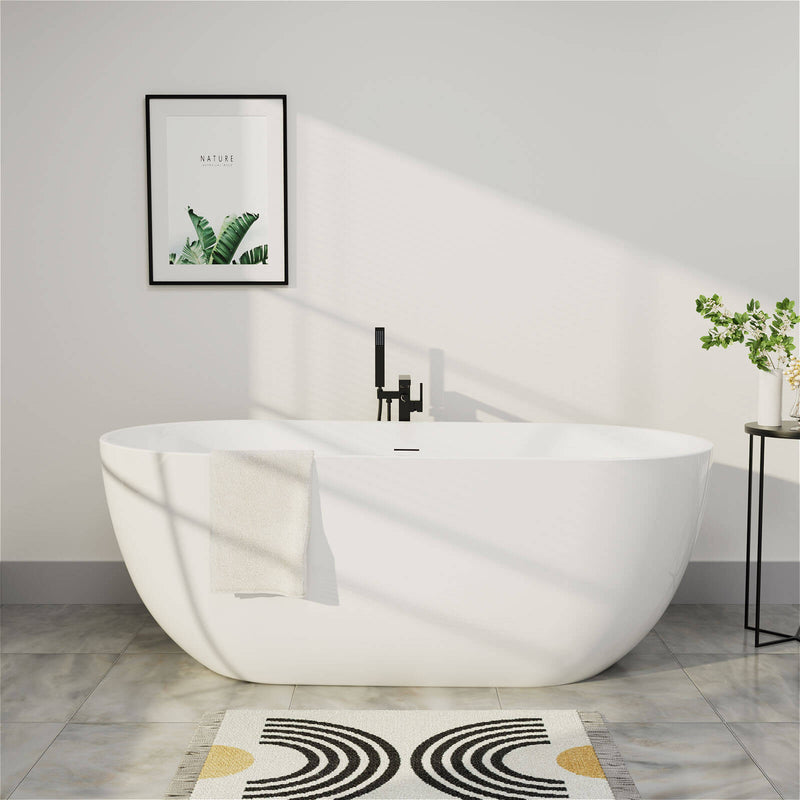
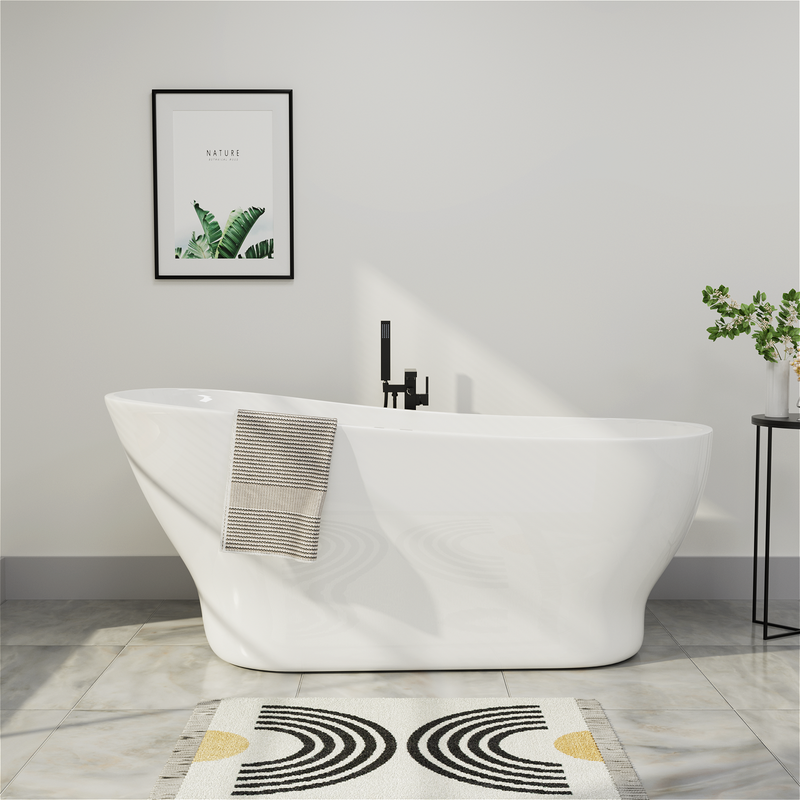
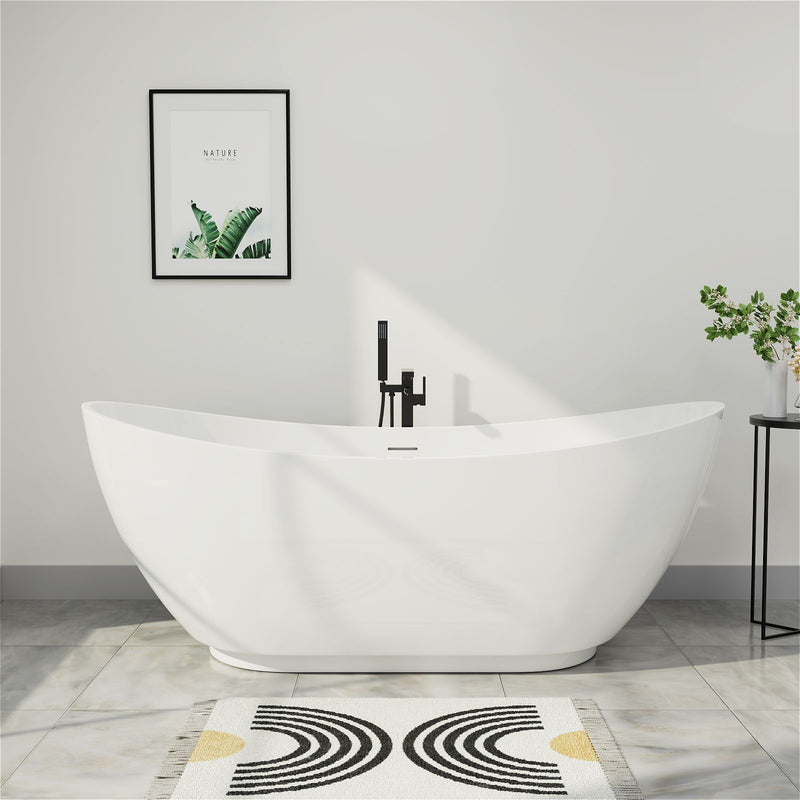
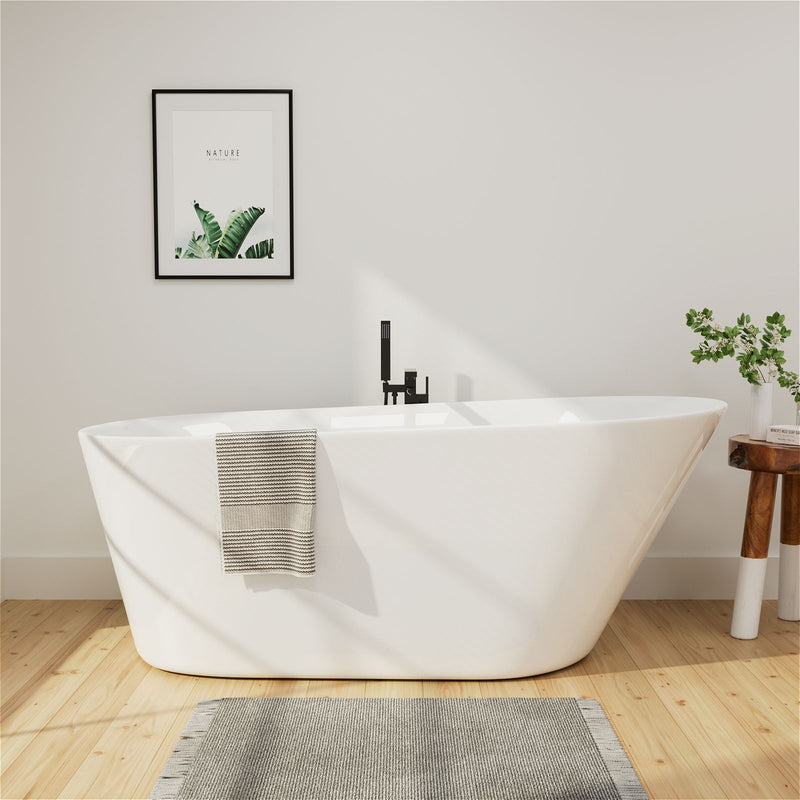
A white bathtub is one of the most widely used choices in residential design because it creates a strong association with cleanliness, simplicity, and timeless appeal. It reflects both natural and artificial light, which helps brighten the entire space.

From a psychological standpoint, white reduces visual complexity. This allows the mind to interpret the bathroom as orderly and hygienic, which is especially important in spaces dedicated to personal care.
Design advantages include:
• Enhances brightness in small bathrooms
• Works with nearly all wall and floor materials
• Supports modern and minimalist design styles
• Maintains strong resale appeal in most housing markets
The main tradeoff is maintenance visibility. White surfaces can show stains and soap residue more easily, though scratches are generally less visible than on darker colors.
What Does a Black Bathtub Communicate in Luxury Bathroom Environments
A black bathtub introduces strong visual contrast and is often associated with luxury, sophistication, and high-end design. It creates a focal point in the bathroom and draws attention immediately upon entry.

In bathtub color psychology, black is linked to depth, control, and exclusivity. It reduces visual distraction and creates a more enclosed and intimate bathing experience.
Key psychological effects include:
• Strong sense of luxury and premium design
• Increased visual depth and architectural emphasis
• More private and immersive bathing atmosphere
• Bold contrast when paired with lighter surfaces
However, black bathtubs require careful lighting planning. Without sufficient light balance, the space may feel smaller or heavier than intended. Designers often compensate with reflective materials and layered lighting strategies.
How Do Gray Bathtubs Create Balance and Design Flexibility
Gray bathtubs are widely used in modern interiors because they offer a neutral foundation that supports multiple design directions. In bathtub color psychology, gray represents balance, neutrality, and calm stability.

Unlike white, gray reduces glare while still maintaining a clean and controlled appearance. It is particularly effective in bathrooms that aim for long-term design flexibility.
Benefits of gray bathtubs include:
• Works with both warm and cool color palettes
• Reduces the visibility of everyday soiling and water spots compared to white surfaces
• Supports modern, industrial, and transitional styles
• Allows future design changes without replacement
Gray also performs well in homes where multiple users share the bathroom, as it maintains a consistent visual tone without feeling overly sterile or overly bold.
What Emotional Response Does a Blue Bathtub Create in Spa Inspired Bathrooms
Blue bathtubs are strongly connected to water, relaxation, and emotional calm. In bathtub color psychology, blue is one of the most effective colors for creating spa-inspired environments.

It is strongly associated with calmness and can help create a relaxing atmosphere that supports slower, deeper breathing as part of a spa-like experience.
Key emotional effects include:
• Promotes relaxation and mental decompression
• Reinforces water and cleanliness associations
• Creates spa like atmosphere at home
• Enhances sensory calmness in daily use
Lighter blue tones feel airy and refreshing, while deeper blues create a more immersive and enclosed bathing environment. Designers often use blue when wellness is a primary goal of the space.
How Do Beige and Brown Bathtubs Influence Warmth and Natural Design Themes
Beige and brown bathtubs introduce warmth and organic texture into bathroom design. These tones are strongly associated with natural materials such as wood, stone, and earth inspired finishes.

In bathtub color psychology, these colors promote comfort, familiarity, and emotional grounding. They are especially effective in homes that prioritize warmth over modern minimalism.
Design benefits include:
• Creates welcoming and comfortable atmosphere
• Pairs well with natural textures and materials
• Softens visual contrast in the bathroom
• Supports rustic and organic modern styles
The tradeoff is that these tones may feel less contemporary in highly modern homes unless balanced with updated fixtures and lighting. However, when executed properly, they create a timeless and livable environment.
How Lighting Changes Bathtub Color Psychology in Real Bathroom Spaces
Lighting plays a critical role in how bathtub color psychology is perceived. The same bathtub can appear dramatically different depending on natural light exposure, bulb temperature, and fixture placement.
Warm lighting tends to enhance beige and brown tones, while cool lighting enhances white and gray tones. Black bathtubs require layered lighting to avoid excessive shadowing.
Important lighting considerations include:
• Natural light increases color accuracy and openness
• Warm artificial light increases comfort and softness
• Cool artificial light increases clarity and modern tone
• Directional lighting affects shadow and depth perception
Designers often test materials under multiple lighting conditions before finalizing bathtub color selection to ensure consistent emotional impact throughout the day.
How to Choose the Right Bathtub Color for Lifestyle and Resale Value
Choosing a bathtub color requires balancing personal lifestyle preferences with long term property value considerations. Bathtub color psychology helps guide this decision by connecting emotional needs with design outcomes.

A practical decision framework includes:
• White for maximum resale appeal and brightness
• Gray for long term flexibility and neutral balance
• Black for luxury focused and high contrast design
• Blue for relaxation and wellness-oriented spaces
• Beige or brown for warmth and natural comfort
Homeowners should also consider how often the bathroom is used, how much maintenance is acceptable, and whether the goal is emotional comfort or investment performance. The best choice is the one that supports both daily experience and long-term satisfaction.
Conclusion
Bathtub color psychology is a powerful design tool that influences how a bathroom looks, feels, and functions over time. Each color carries distinct emotional and visual effects that shape user experience, from the cleanliness of white to the luxury of black and the calmness of blue.
Making the right choice requires understanding both emotional response and practical design tradeoffs. When bathtub color aligns with lifestyle needs and lighting conditions, the bathroom becomes more than a functional space. It becomes a consistent source of comfort and visual balance. Thoughtful selection ensures long-term satisfaction and stronger overall design coherence.
FAQs
What is bathtub color psychology in bathroom design?
Bathtub color psychology explains how different colors influence emotional response and perception in bathroom spaces. It helps designers and homeowners understand why certain shades feel more calming, clean, or luxurious. This concept is widely used to create intentional and comfortable bathroom environments.
Why does bathtub color affect mood?
Bathtub color affects mood because the human brain reacts to visual cues such as brightness, contrast, and tone. These cues influence emotional interpretation of space, especially in environments used for relaxation. Color can make a bathroom feel more open, calm, or intimate depending on the shade.
Is a white bathtub still the most popular choice?
Yes, white bathtubs remain the most popular choice because they offer versatility and a strong association with cleanliness. They also work well with nearly all interior styles. However, they require regular maintenance to keep their appearance consistent over time.
Are black bathtubs practical for everyday use?
Black bathtubs are practical but require careful design planning. They are excellent for luxury aesthetics and modern interiors, but need proper lighting to avoid a heavy visual effect. Maintenance is similar to other colors, but water spots and soap residue tend to be more conspicuous on black surfaces due to high contrast.
Do gray bathtubs go out of style?
Gray bathtubs do not go out of style easily because they function as a neutral design base. They adapt well to changing trends and interior updates. This makes them a long term safe choice for many homeowners.
What color bathtub is best for relaxation?
Blue bathtubs are often considered the best for relaxation because they mimic natural water environments. They help create a calming atmosphere that supports stress relief. Lighter blues are especially effective for spa inspired bathrooms.
Are beige bathtubs outdated in modern homes?
Beige bathtubs are not outdated when used in appropriate design contexts. They work well in natural and warm themed interiors. The key is pairing them with updated fixtures to maintain a balanced and modern look.
How does lighting affect bathtub color perception?
Lighting significantly changes how bathtub color appears and feels. Warm lighting enhances comfort oriented colors while cool lighting enhances modern and clean tones. Poor lighting can distort color perception and reduce design impact.
Which bathtub color is best for resale value?
White and gray bathtubs typically offer the best resale value due to their neutral appeal. These colors allow potential buyers to easily adapt the space to their own preferences. They are considered safe long term investment choices.
How should I decide the right bathtub color for my home?
Start by identifying your primary goal such as relaxation, luxury, or resale. Then evaluate how each color aligns with lighting, bathroom size, and personal style. The best choice is the one that supports both emotional comfort and long term usability.