Finding the right bathtub for tall person comfort is harder than most homeowners expect. A tub may look spacious in photos but still leave your knees bent awkwardly or your shoulders exposed above the waterline. For taller adults, a standard tub often turns relaxation into frustration.
The good news is that modern bathtub design has evolved significantly. Deep soaking models, ergonomic interior slopes, and larger freestanding bathtub options now make it possible for taller users to enjoy a true full body soak at home. This guide breaks down what actually matters when shopping for a tub for taller individuals, including dimensions, materials, layout planning, and comfort tradeoffs that designers and contractors consider during real bathroom renovations.
Why Standard Bathtubs Feel Uncomfortable for Tall Adults
Most standard alcove tubs in American homes measure around 60 inches long. While that size works reasonably well for average height users, it often feels restrictive for anyone above six feet tall.
The most common complaints include:
- Bent knees that never fully relax
- Water levels that do not cover the torso
- Narrow shoulder space
- Steep back angles that strain the neck
- Limited foot room
A bathtub for tall person use should prioritize internal soaking depth rather than exterior dimensions alone. Many buyers focus only on tub length, but interior floor slope and wall thickness dramatically affect usable space.

For example, some visually large tubs lose several inches of interior room because of thick acrylic walls or decorative outer shells. That is why experienced bathroom designers always compare internal basin measurements before recommending a model.
What Size Bathtub Works Best for Tall People
The ideal bathtub size depends on height, body proportions, and how you prefer to soak. However, there are several dimensions that consistently improve comfort for taller users.
Recommended Dimensions
For users over six feet tall, these measurements generally provide a better experience:
- Length: 68 to 72 inches
- Soaking depth: 14 to 18 inches
- Width: 32 to 36 inches
- Interior floor length: 48-50 inches
A deeper tub often matters more than extreme length. A properly designed deep soaking bathtub allows the body to recline naturally while keeping shoulders and chest submerged.
Many luxury bathroom projects now favor compact deep tubs over oversized shallow tubs because they provide a more immersive soak without requiring excessive bathroom space.
Why Interior Angle Matters
One overlooked factor is the backrest angle. Some tubs technically fit tall users but force the spine into an upright position that becomes uncomfortable after ten minutes.
Look for:
- Reclined lumbar support
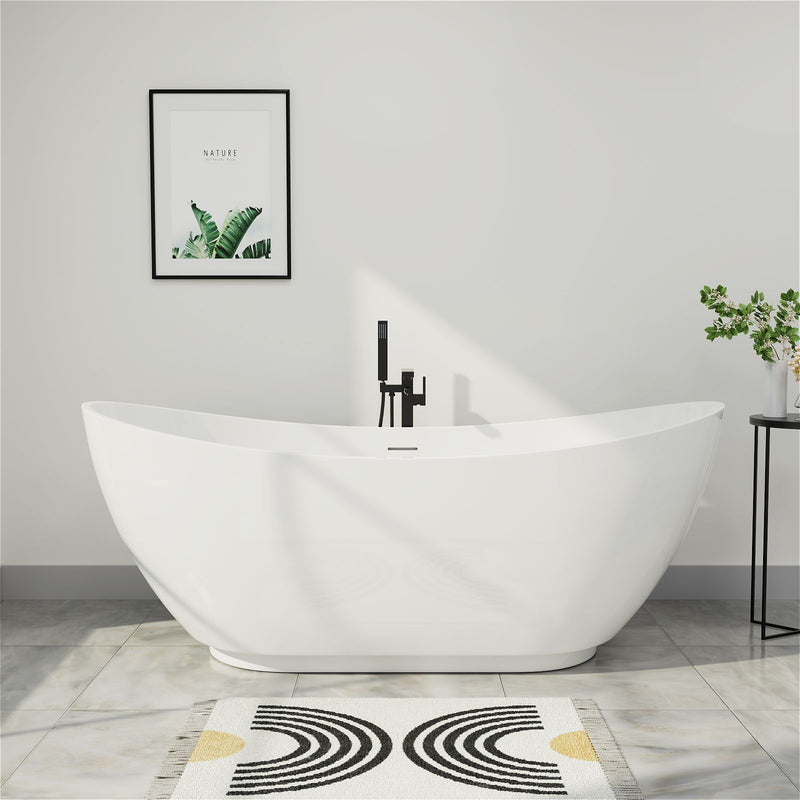
- Double slipper designs
- Ergonomic back contours
- Extended leg room without sharp foot walls
A bathtub should support natural posture rather than forcing the body into tension.
Is an Acrylic Bathtub Good for Tall People?
An acrylic bathtub is often one of the best choices for taller homeowners because it balances comfort, heat retention, flexibility, and weight.
Benefits of Acrylic Bathtubs
Acrylic remains popular in upscale American bathroom renovations for several practical reasons:
- Lightweight installation
- Better heat retention than uninsulated steel tubs
- Softer surface feel
- More design flexibility
- Easier maintenance
- Wide range of deep soaking options
For tall users, acrylic also allows manufacturers to create more ergonomic interior shapes that are difficult to achieve with cast iron.

A well made acrylic bathtub can include:
- Integrated armrests
- Extended reclining angles
- Extra shoulder width
- Deep immersion designs
These details make a significant difference during longer soaking sessions.
Tradeoffs to Consider
There are still tradeoffs. Acrylic surfaces can scratch more easily than cast iron if cleaned improperly. Lower quality models may flex slightly under heavier body weight.
That is why premium construction matters. Reinforced acrylic tubs with fiberglass backing tend to perform best in real world residential installations.
Freestanding Bathtub vs Alcove Tub for Tall Users
One of the biggest decisions during bathroom planning is choosing between a freestanding bathtub and a traditional alcove installation.
Why Freestanding Tubs Often Feel Better
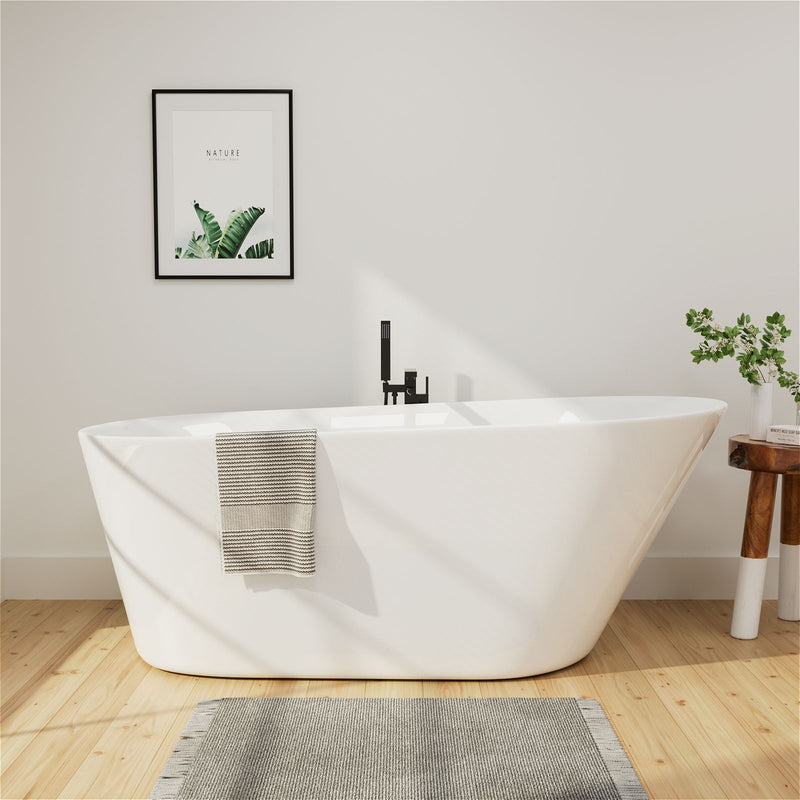
A freestanding bathtub typically offers more ergonomic freedom because manufacturers are not constrained by tight alcove dimensions.
Advantages include:
- Deeper soaking depth
- More leg room
- Wider shoulder space
- Better reclining angles
- More sculpted interior designs
Many tall homeowners report that a freestanding model feels dramatically more luxurious even when the actual length increase is modest.
Designers also favor freestanding tubs in primary bathrooms because they create a visual focal point while improving relaxation quality.
When an Alcove Tub Still Makes Sense
Not every bathroom can accommodate a freestanding installation. In smaller homes or urban renovations, an alcove setup may remain the most practical solution.

In that case, prioritize:
- Extra deep soaking depth
- Minimal interior wall thickness
- Curved lumbar support
- Overflow placement that allows higher water levels
Some compact tubs outperform larger models simply because their interior ergonomics are more intelligently designed.
Best Bathtub Shapes for Tall Person Comfort
Shape affects comfort just as much as dimensions. Two tubs with identical measurements can feel completely different once you sit inside them.
Oval Tubs
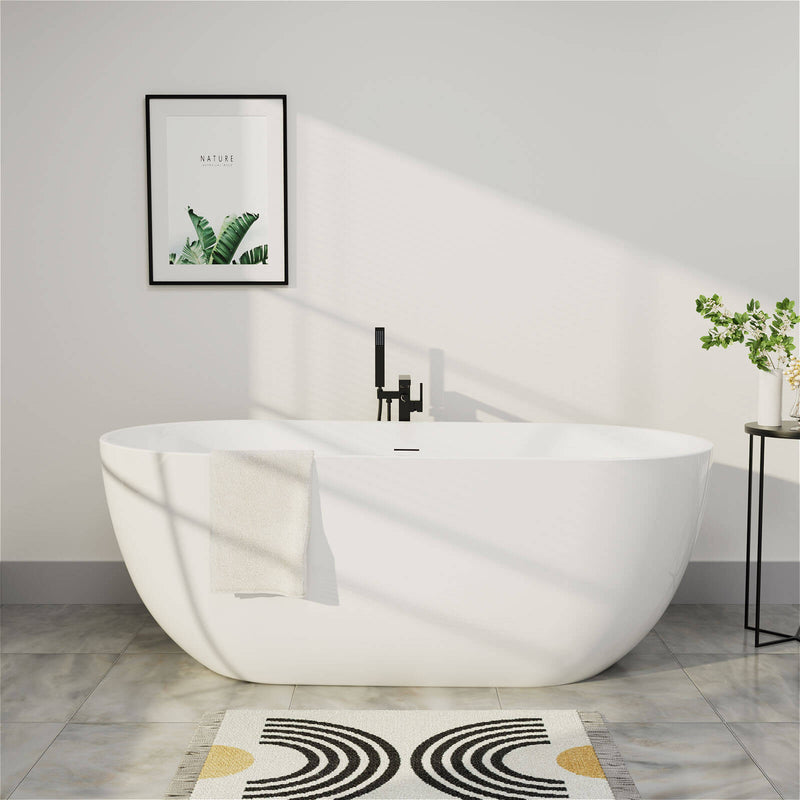
Oval designs usually provide smoother reclining positions and fewer pressure points. They work especially well in freestanding formats.
Benefits include:
- Natural body alignment
- Comfortable shoulder positioning
- Better water circulation
- Softer visual appearance
Slipper Tubs
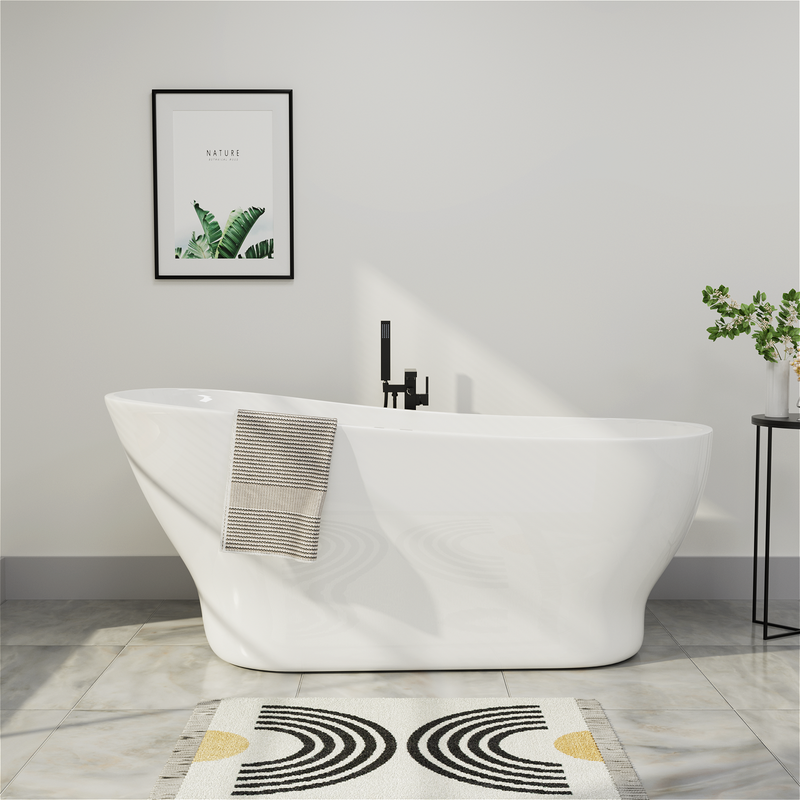
Single slipper and double slipper tubs elevate one or both ends of the bathtub for a more reclined posture.
These designs are especially helpful for taller bathers because they support the neck and upper back while extending the legs comfortably.
Japanese Inspired Soaking Tubs
Deep soaking tubs inspired by Japanese bathing culture focus more on vertical immersion than horizontal stretching.
For tall users with smaller bathrooms, this can be surprisingly effective. A compact but deep tub allows the body to sit in a more upright yet fully submerged position. When choosing a Japanese-style deep tub, ensure internal seat depth (from backrest to front wall) is at least 24 inches, otherwise a tall person's thighs won't fit comfortably.
How Bathroom Layout Affects Tub Selection
Many homeowners choose a bathtub first and only later realize it disrupts the room layout. For taller users, this problem becomes more common because larger tubs require more planning.
Floor Space and Clearance
Before choosing a tub, measure:
- Door swing clearance
- Walkway space
- Vanity placement
- Window height
- Plumbing access
A 72 inch freestanding bathtub may technically fit the room but still make the bathroom feel cramped.
Experienced designers often use painter's tape on the floor to visualize circulation space before finalizing tub dimensions.
Weight Considerations
Large soaking tubs hold substantial water volume. Combined with a tall adult occupant, total weight increases quickly.

Upper floor installations may require:
- Floor reinforcement
- Joist inspection
- Plumbing upgrades
- Overflow adjustments
This is particularly important for older American homes undergoing renovation.
Features That Actually Improve Soaking Comfort
Marketing photos often highlight appearance more than usability. However, experienced buyers know that small comfort features matter most over time.
High Overflow Placement
A low overflow drain can ruin a deep soaking experience by limiting water depth.
For taller adults, seek tubs designed with elevated overflow placement so water can fully cover the torso.
Center Drain Position
A center drain is common in double slipper tubs, allowing two users to recline without either person's feet hitting the drain. For single users, an end or side drain often frees up foot room better.
This detail becomes especially valuable in double ended tubs where users may recline from either side.
Insulated Construction
Heat retention matters more in large tubs because they contain greater water volume.
Better insulation means:
- Longer soaking sessions
- Reduced hot water usage
- More consistent comfort
- Improved energy efficiency
Premium acrylic bathtub construction often performs very well in this area.
Common Mistakes Tall Buyers Make
After years of bathroom remodeling projects, several purchasing mistakes appear repeatedly.
Choosing Based Only on Exterior Length
A tub labeled 72 inches long may still have limited usable interior space.
Always compare interior basin measurements before purchasing.
Ignoring Water Heater Capacity
Large soaking tubs require significantly more hot water.
Before installation, evaluate whether your current water heater can support:
- Full depth soaking
- Simultaneous household usage
- Extended bathing sessions
Some homeowners upgrade to tankless systems during renovation for this reason.
Prioritizing Style Over Ergonomics
A visually stunning bathtub can still feel uncomfortable during daily use.
Professional designers often encourage clients to physically test tubs in showrooms whenever possible. Sitting inside for even a few minutes reveals far more than online photos.
How to Choose the Right Bathtub for Tall Person Needs
The best bathtub for tall person comfort balances dimensions, soaking depth, posture support, and realistic bathroom constraints.

When comparing options, focus on:
- Interior soaking dimensions
- Backrest angle
- Water depth
- Material quality
- Bathroom layout compatibility
- Long term maintenance
A deep acrylic bathtub with ergonomic support often delivers the best overall experience for most American homeowners.
Meanwhile, a freestanding bathtub works beautifully in larger primary bathrooms where design impact and relaxation are equally important.
The smartest purchases come from understanding tradeoffs rather than chasing the largest tub available.
Conclusion
Choosing the right bathtub for tall person comfort requires more than simply buying the biggest model in the showroom. True comfort comes from thoughtful proportions, deeper soaking depth, ergonomic support, and materials that maintain warmth during extended use.
For most taller homeowners, a well designed acrylic bathtub provides the ideal balance of comfort, durability, and installation flexibility. In larger bathrooms, a freestanding bathtub can create a more luxurious and immersive soaking experience while also elevating the overall design of the space.
Before making a final decision, compare interior dimensions carefully, evaluate your bathroom layout realistically, and prioritize how the tub actually feels during use. A properly selected bathtub transforms daily routines into a genuinely restorative experience rather than another uncomfortable compromise.
FAQs
What is the best bathtub length for a tall person?
Most tall adults feel significantly more comfortable in tubs between 66 and 72 inches long. However, interior dimensions matter more than exterior measurements alone. A well designed 66 inch tub with deep soaking capability may feel better than a shallow 72 inch model with poor ergonomics.
Are deep soaking tubs better for tall people?
Yes. Deep soaking tubs allow taller users to submerge more of the body comfortably. Even if the legs are slightly bent, deeper water coverage creates a much more relaxing experience compared to traditional shallow tubs commonly found in older homes.
Is an acrylic bathtub durable enough for everyday use?
A high quality acrylic bathtub performs very well in residential settings. Reinforced acrylic construction offers strong heat retention, comfortable surface texture, and easier installation compared to heavier materials. Proper cleaning also helps maintain its appearance for many years.
Do freestanding bathtubs provide more room inside?
In many cases they do. A freestanding bathtub often has more flexible interior shaping because it is not restricted by alcove installation requirements. This can improve shoulder space, reclining angles, and overall soaking comfort for taller adults.
How deep should a bathtub be for full body soaking?
For a true soaking experience, most tall users prefer at least 14 to 16 inches of soaking depth. Premium deep soaking tubs may offer even greater immersion, especially when paired with a higher overflow drain position.
Can a small bathroom still fit a bathtub for tall person comfort?
Yes. A smaller bathroom can still accommodate a comfortable tub if the design prioritizes depth and ergonomic posture instead of excessive length. Japanese inspired soaking tubs are especially effective in compact spaces.
Does bathtub shape affect comfort for tall users?
Absolutely. Oval tubs, slipper tubs, and ergonomic double ended designs generally feel more comfortable because they support natural body positioning. Straight wall tubs often feel more restrictive during longer soaks.
Should I worry about water heater size with a larger bathtub?
Yes. Deep soaking tubs require substantially more hot water than standard models. Many homeowners upgrading to larger tubs also evaluate whether their water heater can support full capacity soaking without running cold too quickly.
What material retains heat best in a bathtub?
Premium acrylic bathtub models offer excellent heat retention while remaining lighter and easier to install than cast iron. Insulated construction further improves temperature stability during long soaking sessions.
Is a freestanding bathtub harder to clean?
A freestanding bathtub may require slightly more cleaning around the exterior edges because all sides are exposed. However, many homeowners consider the improved comfort and visual impact well worth the additional maintenance effort.