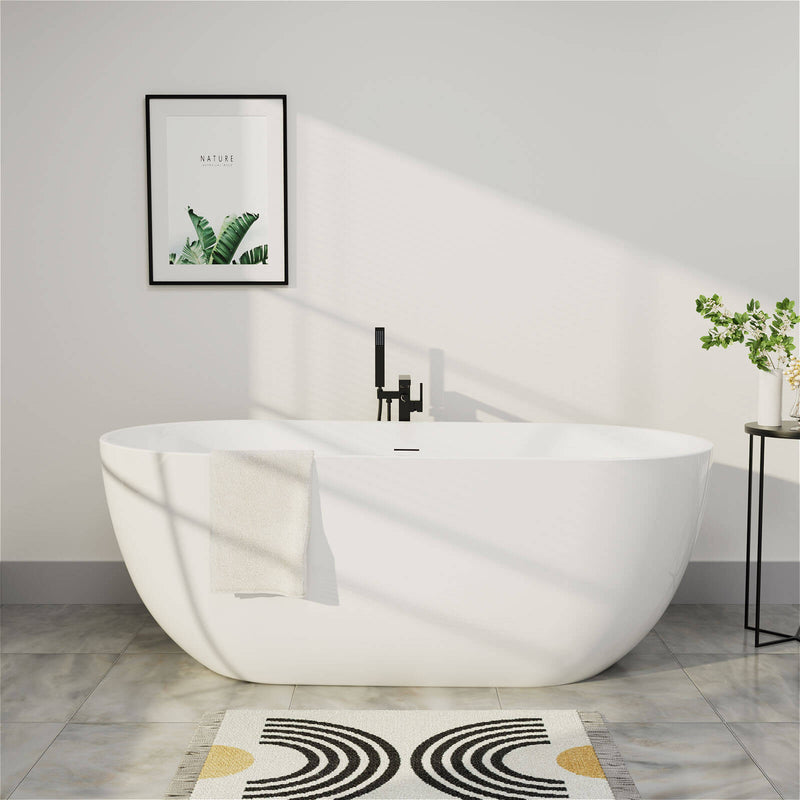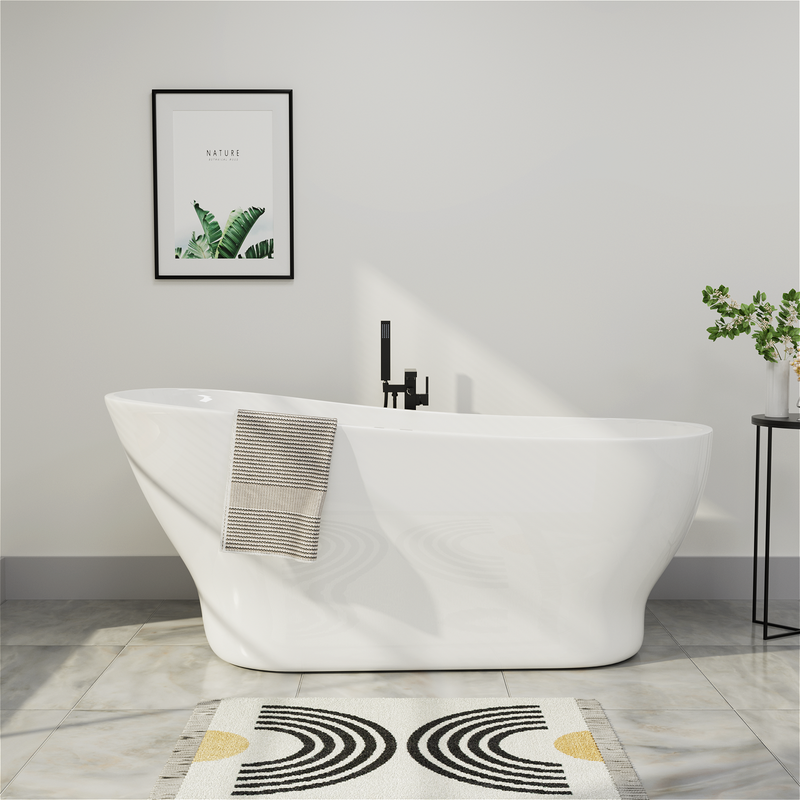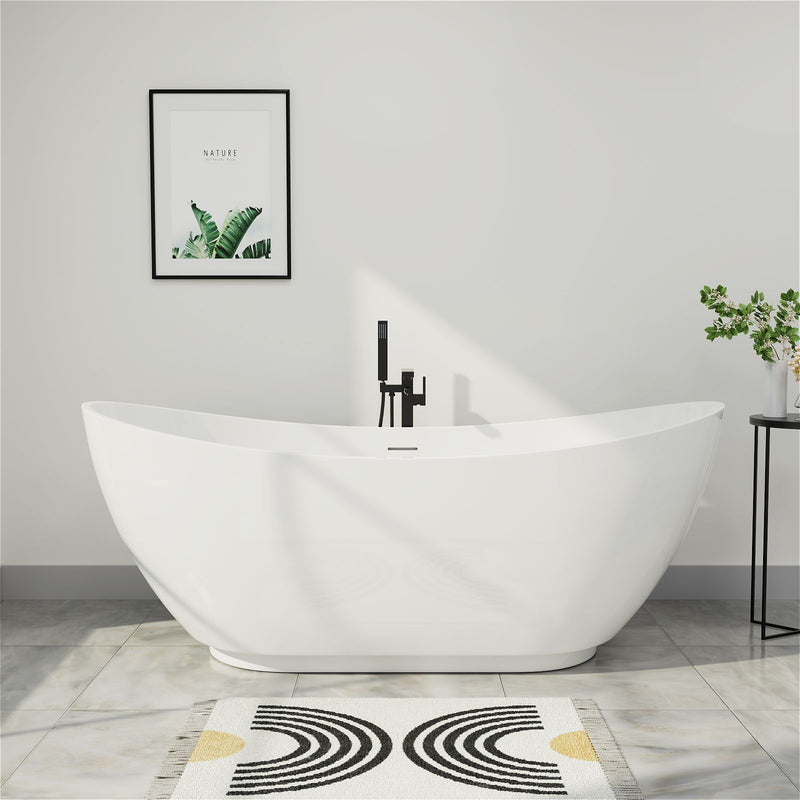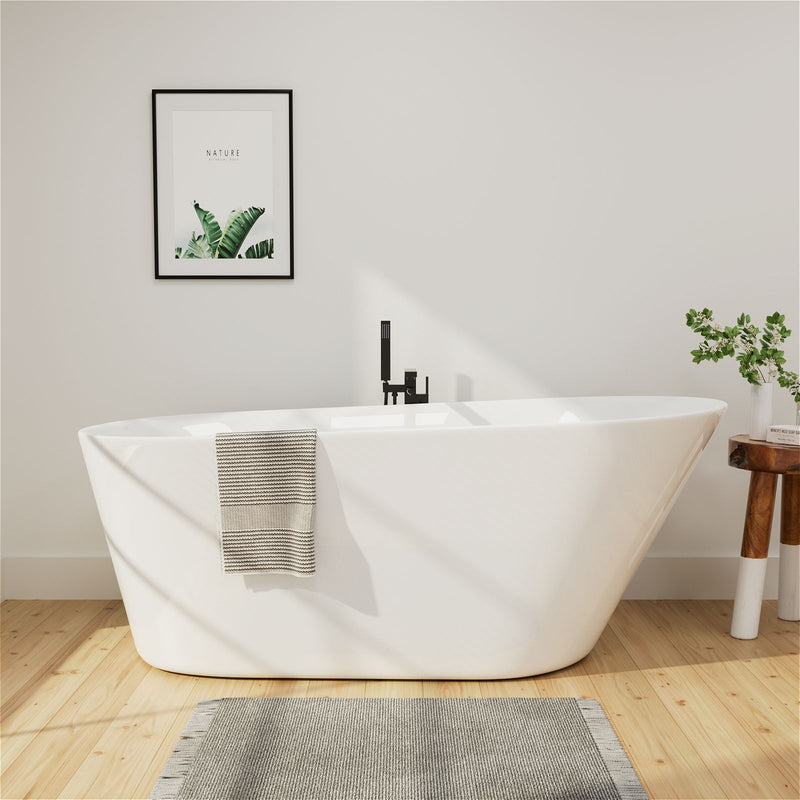
When designing a bathroom with warm, inviting interiors, few decisions carry as much visual weight as the bathtub color. As the largest fixture in the room, the tub sets the tone for the entire space. For homeowners embracing warm interior styles—think natural wood, brushed brass fixtures, creamy textiles, and earthy accents—the choice often narrows to two popular neutrals: gray and beige.
Both colors offer versatility and timeless appeal, but they create fundamentally different atmospheres. Gray brings sophistication and a modern edge, while beige delivers warmth and approachable comfort. Understanding how each interacts with warm design elements is essential for creating a cohesive, inviting bathroom that feels like a personal retreat.
This article provides a comprehensive comparison of gray and beige bathtubs specifically for warm interior styles. We will examine color psychology, material compatibility, lighting considerations, maintenance requirements, and long-term value. Drawing on current design trends and practical insights, we will help you decide which color best supports your vision of a warm, welcoming bathroom.
Understanding Warm Interior Styles
Before comparing bathtub colors, it is important to define what makes an interior style "warm." Warm design is not about temperature but about visual and emotional comfort.
Characteristics of Warm Bathroom Design
Warm interiors prioritize materials and colors that feel inviting and grounded. Key elements include:
- Natural materials: Wood vanities, stone countertops, woven baskets, and linen textiles add organic texture and warmth.
- Warm neutrals: Creamy whites, soft taupes, warm beiges, and greiges create a soothing backdrop.
- Warm metal finishes: Brushed brass, oil-rubbed bronze, and matte gold fixtures introduce subtle luster without coldness.
- Layered lighting: Warm color temperatures around 2700K to 3000K cast a golden glow that flatters skin and materials.
- Earthy accents: Terracotta, clay, and sandy hues connect the space to nature.
The goal is a bathroom that feels like a sanctuary—calming, personal, and visually cohesive. Against this backdrop, the bathtub color must harmonize rather than compete.
Why Bathtub Color Matters
The bathtub occupies significant visual real estate. In many bathrooms, it is the first thing you see upon entering. Its color influences how light reflects, how spacious the room feels, and how successfully other design elements come together.
A bathtub that clashes with the warm palette can disrupt the entire aesthetic, making the space feel disjointed. Conversely, a well-chosen tub color anchors the design and enhances the warmth of surrounding materials.
Gray Bathtubs in Warm Interiors
Gray has dominated bathroom design for years, but its role in warm interiors requires careful consideration. Not all grays are created equal.

The Spectrum of Gray
Gray ranges from cool blues and steels to warm greiges with beige undertones. For warm interiors, the latter is essential. Warm grays contain subtle yellow or brown undertones that prevent them from reading as cold or sterile.
Shades like greige, biscuit, and stone bridge the gap between gray and beige, offering the sophistication of gray with the warmth of earth tones. These versatile hues pair naturally with wood, brass, and creamy textures.
How Gray Performs With Warm Elements
When paired correctly, gray can enhance warm interiors by providing subtle contrast. A light gray bathtub against warm beige walls creates depth without jarring the eye. The gray recedes slightly, allowing warmer elements to come forward while adding a layer of complexity.
Gray also serves as an excellent backdrop for warm metal fixtures. Brushed brass or gold faucets pop against gray surfaces, creating a luxe, curated look. Wood accents—a teak bath caddy, oak vanity, or bamboo mat—warm up gray considerably, introducing organic contrast that feels intentional rather than accidental.
Potential Challenges With Gray
The primary risk with gray in warm interiors is choosing the wrong undertone. Cool grays with blue or green bases can clash with warm beiges and wood tones, creating visual tension. The bathroom may feel divided between warm and cold elements rather than cohesive.
Additionally, gray absorbs light rather than reflecting it. In bathrooms with limited natural light, darker grays can make the space feel smaller and dimmer. This effect can work against the airy, open feeling many warm interiors seek to achieve.
When Gray Is the Right Choice
A gray bathtub works well when:
- You prefer a modern, sophisticated edge to your warm palette
- Your bathroom includes cool accent colors like sage green or soft blue
- You have abundant natural light or layered warm lighting
- You want to mix metal finishes, including matte black or chrome alongside brass
- Your warm interior leans contemporary rather than traditional
Beige Bathtubs in Warm Interiors
Beige has experienced a renaissance in recent years, reclaiming its place as a sophisticated neutral rather than a dated relic. For warm interiors, beige offers inherent advantages.
The Warmth Built Into Beige
Unlike gray, which must be carefully selected for warmth, beige arrives with warmth as a default characteristic. Beige contains yellow, orange, or pink undertones that naturally read as cozy and inviting.
From soft sand to deeper taupe, beige shades evoke natural landscapes—deserts, stones, and weathered wood. This connection to nature aligns perfectly with warm interior philosophies that prioritize organic, grounded spaces.
How Beige Enhances Warm Elements
Beige bathtubs amplify the warmth of surrounding materials. A beige tub against wood paneling or stone tile creates a seamless, monochromatic flow that feels expansive and serene. Rather than contrasting with warm elements, beige absorbs and reflects their warmth, creating a unified whole.
Warm metal fixtures glow against beige surfaces. Brass fixtures appear richer, bronze deeper, and gold more luminous. The effect is cohesive rather than contrasting—everything belongs together.
Beige also excels in bathrooms with natural light. Sunlight plays across beige surfaces, shifting from golden to rosy throughout the day and adding dynamic warmth. This living quality keeps beige from feeling flat or monotonous.
Potential Challenges With Beige
The primary concern with beige is the risk of appearing dated. Not all beige is created equal—yellow-beige with strong orange undertones can feel reminiscent of 1990s builder-grade bathrooms. Modern beige is more sophisticated, leaning toward greige or taupe with subtle complexity.
Beige can also read as bland if not paired with sufficient texture. Smooth beige surfaces without visual interest may fade into the background rather than contributing to the design. Layering textured materials—woven baskets, ribbed towels, stone counters—keeps beige lively.
When Beige Is the Right Choice
A beige bathtub works well when:
- You want maximum warmth and cohesion in your palette
- Your bathroom features abundant natural light
- You are working with traditional, rustic, or organic modern styles
- You prefer fixtures that blend rather than contrast
- You want a timeless look that will not feel dated in five years
Head-to-Head Comparison: Gray vs Beige for Warm Interiors
To make an informed decision, consider how each color performs across key design dimensions.
1. Compatibility With Warm Materials
Gray requires intentional pairing. It looks best when anchored by wood tones and warm metals that counteract its natural coolness. The contrast can be striking and sophisticated, but it requires deliberate effort.
Beige harmonizes effortlessly with warm materials. Wood, stone, brass, and linen all find a natural partner in beige. The relationship is complementary rather than contrasting, creating seamless flow.
Verdict: Beige offers easier, more foolproof compatibility with warm materials. Gray can work beautifully but demands careful selection and balancing.
2. Light Reflection and Room Perception
Gray absorbs light, which can make bathrooms feel smaller and dimmer. This effect is pronounced with darker grays and in rooms with limited natural light. Strategic lighting is essential.
Beige reflects light warmly, contributing to an open, airy feeling. Light bounces off beige surfaces, enhancing the sense of space and brightness.
Verdict: Beige performs better in smaller bathrooms or those with limited natural light. Gray requires ample lighting to feel warm and spacious.
3. Ability to Hide Soap Scum and Water Marks
Gray, particularly mid-tone shades, hides water spots and soap residue effectively. This practical advantage appeals to homeowners seeking low-maintenance options.
Beige shows soap scum and water marks more readily than gray, though less than white. Regular cleaning is necessary to maintain a fresh appearance.
Verdict: Gray offers practical advantages for busy households. Beige requires more attentive maintenance.
4. Timelessness and Trend Resistance
Gray has dominated design for over a decade, but industry observers note a shift toward warmer palettes in 2026 and beyond. Cool grays in particular may begin to feel dated as warm neutrals gain prominence.

Beige offers proven longevity. Warm neutrals have cycled in and out of fashion for centuries, but they consistently return because they feel inherently comfortable and human. Modern beige with subtle complexity avoids the dated look of past decades.
Verdict: Beige holds a slight edge for long-term timelessness, especially as trends move toward warmth. Gray remains classic when chosen in warm greige tones.
5. Styling Flexibility
Gray provides a neutral canvas that accepts a wide range of accent colors. Jewel tones like emerald and sapphire pop against gray, as do pastels and earth tones. This flexibility appeals to homeowners who enjoy changing accessories.
Beige pairs beautifully with warm accent colors—terracotta, clay, olive, rust—but may struggle with cool tones like icy blue or stark white. The palette is more focused but deeply cohesive.
Verdict: Gray offers broader accent flexibility. Beige excels within warm, earthy palettes.
Practical Considerations for Bathtub Selection
Beyond aesthetics, practical factors influence which color suits your situation.
Material and Finish Options
Bathtubs come in various materials—acrylic, fiberglass, porcelain-enameled steel, cast iron, and stone resin. Color availability varies by material.
Acrylic tubs offer the widest color selection, including both gray and beige options. Porcelain-enameled steel and cast iron typically offer standard colors like white, biscuit (beige), and sometimes gray. Stone resin tubs often feature natural tones including warm grays and soft beiges.
Finish also matters. Glossy finishes reflect light and are easier to clean but show water spots more readily. Matte finishes hide spots but require gentler cleaning to maintain appearance.
Installation and Longevity
Bathtub color is permanent. Unlike walls or cabinetry, you cannot easily repaint a tub. Professional reglazing is possible but requires expertise and maintenance.
Choose a color you will love for years. Consider not just current trends but how the color will feel after a decade. Warm neutrals like beige and greige offer safety for long-term ownership.
Budget Implications
Color itself rarely affects price within the same material category. However, if your desired color requires special ordering or a premium material to achieve, costs may rise.
Standard colors like white and biscuit are most widely available and often most affordable. Specialty grays may be limited to higher-end tub lines.
Making the Final Decision
With all factors considered, how do you choose between gray and beige for your warm bathroom?
Choose a Gray Bathtub If
- Your warm interior leans contemporary or modern
- You have ample natural light or plan layered warm lighting
- You want subtle contrast between the tub and surrounding warm elements
- You plan to incorporate cool accent colors like sage or blue
- You prefer the look of mixed metal finishes, including matte black or chrome alongside brass
- Low maintenance for water spots is a priority
Choose a Beige Bathtub If
- Your primary goal is maximum warmth and cohesion
- Your bathroom has limited natural light or is smaller in size
- You prefer fixtures that blend seamlessly with surrounding materials
- Your style is traditional, rustic, or organic modern
- You plan to accent with warm earth tones like terracotta, clay, or rust
- You value timelessness over trend-driven design
The Middle Path: Greige
For homeowners torn between the two, greige offers a compelling compromise. Greige combines gray's sophistication with beige's warmth, reading as a soft, complex neutral that works with both palettes.
A greige bathtub accepts warm wood and brass while also accommodating cooler accents if your taste evolves. It provides flexibility without the risk of feeling cold or dated.
FAQs
Is gray or beige better for a small bathroom with warm decor?
Beige generally performs better in small spaces because it reflects light and creates an airy feeling. Gray absorbs light and can make small bathrooms feel smaller unless lighting is exceptional. If you prefer gray, choose a very light warm gray and ensure abundant layered lighting.
Can I use a gray bathtub with beige walls and wood accents?
Yes, this combination can work beautifully. The key is selecting a gray with warm undertones that complement rather than contrast with the beige. Greige is ideal for this purpose. Wood accents will bridge the two colors and add warmth.
Do gray bathtubs show less soap scum than beige?
Yes, mid-tone grays hide water spots and soap residue more effectively than beige or white. This practical advantage makes gray appealing for busy households. However, very dark grays can show dust and toothpaste splatter, so mid-range tones are safest.
Will a beige bathtub look dated in a few years?
Not if you choose the right shade. Modern beige is more sophisticated than the yellow-beige of past decades, leaning toward greige, taupe, or sand. These complex neutrals feel current and timeless. Pairing beige with contemporary materials and fixtures ensures a fresh look.
What metal finishes work best with gray and beige tubs?
For gray tubs in warm interiors, brushed brass and matte gold add essential warmth. For beige tubs, brass, bronze, and gold enhance the cozy feel. Both colors can work with matte black for a modern edge, though black against beige creates stronger contrast.
How does lighting affect how gray and beige look?
Lighting dramatically impacts both colors. Gray can look cool and flat under poor lighting; warm 2700K–3000K bulbs are essential. Beige glows under warm light and shifts beautifully with natural light throughout the day. Always test color samples under your actual bathroom lighting.
Can I mix gray and beige elements in the same bathroom?
Absolutely. Many designers layer warm beige walls with gray vanities or gray tile with beige accessories. The combination creates depth and interest when undertones are carefully matched. A gray tub with beige walls or a beige tub with gray accents both work well.
What is greige, and should I consider it?
Greige is a blend of gray and beige, offering the best of both worlds. It reads as a warm gray or a cool beige depending on lighting and surrounding elements. For homeowners uncertain about committing to either color, greige provides flexibility and timeless appeal.
Are colored bathtubs more expensive than white?
Not necessarily. Within the same material category, color typically does not affect price. However, if your desired color requires a premium material like stone resin or a special order from a limited line, costs may be higher. Standard colors like white and biscuit are most widely available.
How do I clean a gray or beige bathtub without damaging the finish?
Use non-abrasive cleaners and soft cloths or sponges. Avoid harsh chemicals, scrub brushes, and abrasive powders that can dull the surface. For matte finishes, gentler cleaning is especially important. Regular cleaning prevents buildup that is harder to remove later.
Conclusion
Choosing between a gray and beige bathtub for a warm interior style ultimately comes down to the atmosphere you wish to create. Gray offers sophisticated contrast, modern edge, and practical low-maintenance benefits. Beige delivers seamless warmth, effortless compatibility with natural materials, and timeless appeal that feels inherently cozy.
Neither choice is wrong—both can anchor a beautiful, inviting bathroom when selected thoughtfully. The key lies in understanding undertones, lighting, and how the tub will interact with your specific palette of wood, metal, and textiles.
For homeowners who want the tub to blend harmoniously and maximize warmth, beige is the natural choice. For those who prefer subtle contrast and contemporary sophistication, warm gray or greige offers the best of both worlds. Whichever you choose, invest in quality materials and professional installation to ensure your bathtub remains a source of comfort and beauty for years to come.