Choosing between a walk-in vs. freestanding bathtub is not just about looks. It affects comfort, accessibility, maintenance, resale value, and the overall feel of your bathroom. Many homeowners start with safety concerns or design inspiration, then realize the decision also impacts daily routines and long-term satisfaction.
This guide breaks down the real differences between a walk-in bathtub and a freestanding bathtub. You will learn how each style performs in real homes, what designers and contractors often recommend, and which option delivers the best value for different lifestyles and bathroom layouts.
What Is the Difference Between a Walk-in Bathtub and a Freestanding Bathtub?
A walk-in bathtub is designed primarily for accessibility and safety. It features a door that opens so users can step inside without climbing over a high tub wall. Most models include built-in seating, handrails, and anti-slip flooring.

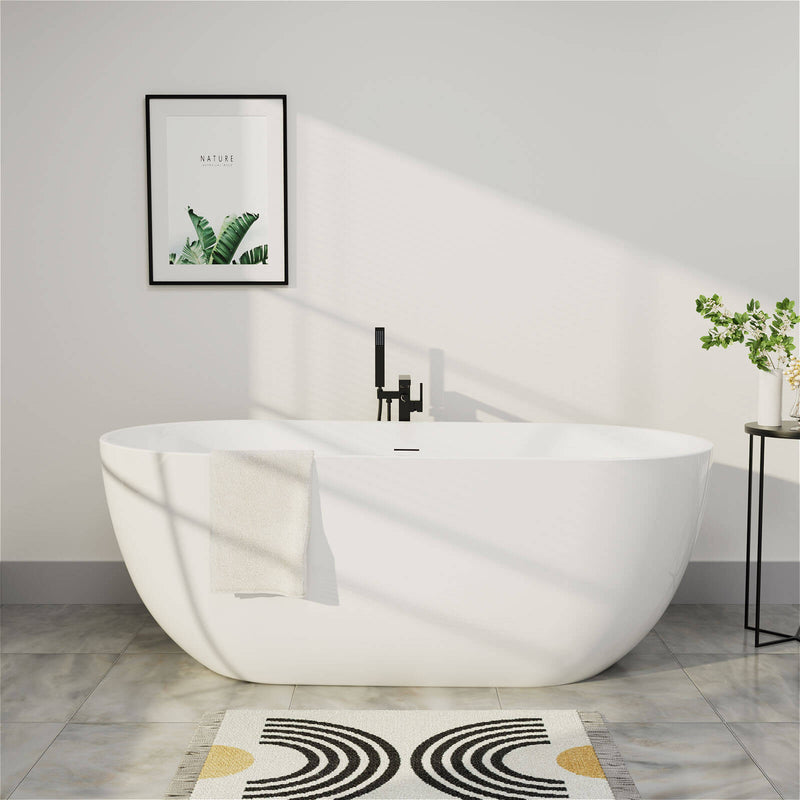
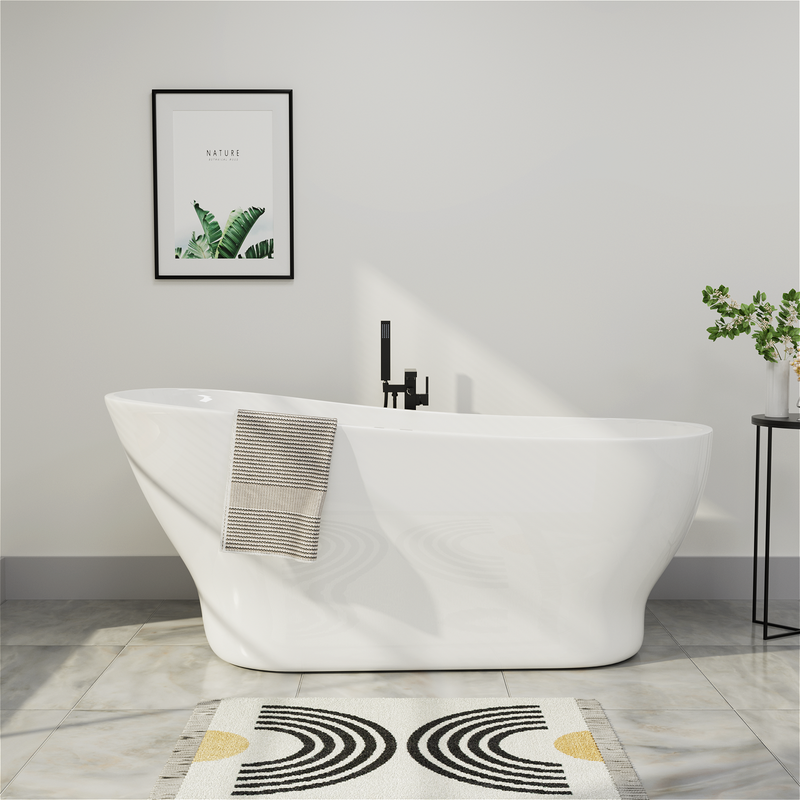
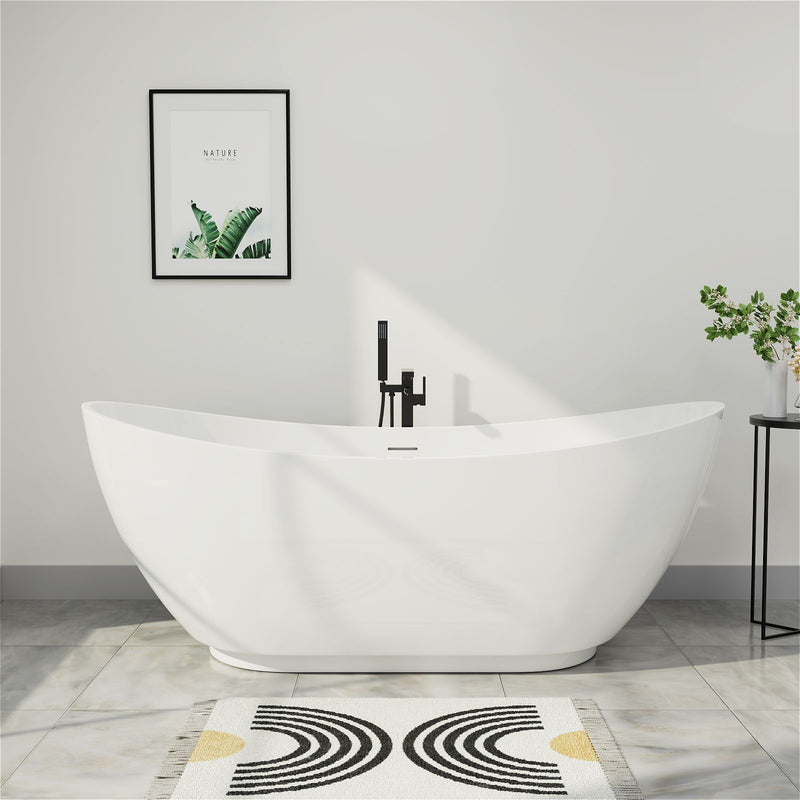
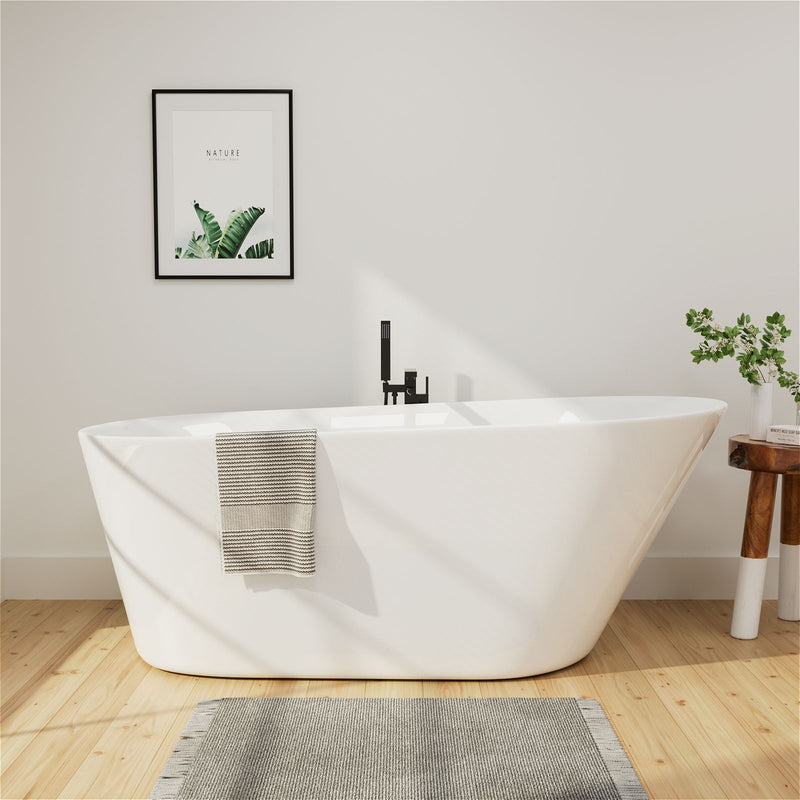
A freestanding bathtub is a standalone soaking tub that sits independently from surrounding walls. It is widely chosen for luxury bathroom design because it creates a focal point and offers a more open visual appearance.
The core difference comes down to purpose.
- Walk-in bathtubs prioritize safety and accessibility
- Freestanding bathtubs prioritize aesthetics and relaxation
- walk-in tubs are often practical medical or aging-in-place solutions
- Freestanding tubs are usually selected for spa-style bathroom upgrades
For many American homeowners, the choice depends on whether the bathroom needs to support mobility concerns or elevate the overall design experience.
Why Are Freestanding Bathtubs So Popular in Modern Bathrooms?
Freestanding bathtubs have become one of the most requested features in luxury bathroom remodeling projects across the United States. Designers favor them because they instantly make a bathroom feel larger, cleaner, and more upscale.
Unlike built-in tubs that visually disappear into surrounding walls, a freestanding bathtub acts almost like furniture. It creates a centerpiece that defines the room.
Design Flexibility
A freestanding bathtub can work in many layouts.
- Center of the room
- Near a large window
- Beside a feature wall
- In open concept primary bathrooms
This flexibility allows homeowners to create a more personalized layout without being locked into standard alcove dimensions.
Better Visual Impact
Many homeowners describe freestanding tubs as creating a boutique hotel atmosphere. Even in medium-sized bathrooms, the curved silhouette softens the space and adds architectural interest.

Interior designers often choose matte white or glossy white finishes because they photograph beautifully and remain timeless over many years.
Enhanced Soaking Experience
Most freestanding tubs are designed for deep soaking. Compared to standard tubs, they typically provide:
- More water depth
- Better reclining angles
- Improved full-body immersion
- A quieter and more relaxing bathing experience
For homeowners focused on stress relief and daily comfort, this often becomes the deciding factor.
When Does a Walk-in Bathtub Make More Sense?
While freestanding tubs dominate luxury bathroom trends, walk-in bathtubs serve a very important purpose for specific households.
They are often the better choice when safety is the top priority.
Aging in Place
Many older adults prefer walk-in tubs because they reduce fall risk. Stepping over a high bathtub edge becomes increasingly difficult with age, especially for people with joint pain or balance limitations.
Walk-in tubs can include:
- Low-threshold entry
- Built-in seating
- Safety grab bars
- Hydrotherapy jets
- Heated backrests
These features can make bathing safer and more comfortable for seniors.
Recovery and Mobility Support
Homeowners recovering from surgery or managing chronic conditions may benefit from easier tub access. Families often install walk-in tubs to support long-term independence without requiring a full assisted living transition.
That said, walk-in tubs also involve tradeoffs that many buyers overlook during initial research.
Walk-in vs Freestanding Bathtub for Bathroom Style
When homeowners compare walk-in vs. freestanding bathtub options, aesthetics quickly become a major factor.
Freestanding bathtubs generally win in visual appeal.
Freestanding Tubs Create a Luxury Feel
A well-placed freestanding bathtub immediately elevates the room. Real estate agents frequently mention them in listing descriptions because buyers associate them with premium homes.
They pair especially well with:
- Natural stone tile
- Wood vanities
- Brass fixtures
- Minimalist interiors
- Spa-inspired lighting
The overall effect feels intentional and high-end.
Walk-in Tubs Prioritize Function Over Appearance
Most walk-in bathtubs have a more clinical appearance. While modern designs have improved significantly, they still tend to emphasize utility first.
In smaller bathrooms, they can also appear bulky due to the outward swinging door and higher wall structure.
For homeowners designing a visually striking bathroom retreat, a freestanding bathtub usually aligns better with long-term design goals.
Which Option Is More Comfortable for Daily Use?
Comfort means different things to different users.
For some homeowners, comfort means easy entry and support. For others, it means long uninterrupted soaking sessions after work.
Freestanding Bathtub Comfort
Freestanding tubs are generally better for immersive relaxation.
Many models feature ergonomic curves that support the neck, shoulders, and lower back naturally. Deeper soaking depth also helps users stay warmer longer.
Homeowners often report that a freestanding bathtub encourages them to use the tub more frequently because the experience feels more luxurious and calming.
Walk-in Tub Comfort
Walk-in tubs prioritize seated bathing. This can be beneficial for users with mobility limitations, but it changes the overall experience.
One common complaint is the waiting process.
Because the door seals watertight, users must:
- Enter before filling
- Sit while the tub fills
- Wait for draining before exiting
For some households, this becomes inconvenient over time.
Walk-in vs Freestanding Bathtub Installation Costs
Cost differences can be substantial depending on plumbing requirements and bathroom layout.
Freestanding Bathtub Costs
Freestanding tubs often have simpler installation requirements in newer bathrooms, especially during remodels.
Typical cost factors include the following:
- Tub material
- Floor-mounted faucet installation
- Plumbing relocation
- Flooring adjustments
In many projects, the visual upgrade delivers strong perceived value relative to installation complexity.
Walk-in Tub Costs
Walk-in tubs typically cost more overall because of additional features and installation demands.
Common expenses include:
- Electrical upgrades
- Larger water heater requirements
- Specialized plumbing
- Reinforced flooring
- Drain modifications
Installation timelines may also be longer.
For homeowners without accessibility needs, many contractors believe a freestanding bathtub provides stronger design return on investment.
Which Bathtub Is Easier to Clean and Maintain?
Maintenance is one of the most overlooked factors during bathtub shopping.
Freestanding Bathtub Maintenance
Freestanding tubs are usually easier to maintain long-term.
Smooth surfaces and simpler construction mean fewer moving parts and less mechanical maintenance. High-quality acrylic models resist staining well and clean easily with mild products.
Many homeowners appreciate the simplicity.
Walk-in Tub Maintenance
Walk-in tubs contain more components that require upkeep.
Potential maintenance areas include the following:
- Door seals
- Jets and pumps
- Electronic controls
- Drain systems
Over time, these systems may require servicing or replacement.
For busy households seeking low-maintenance bathroom design, freestanding tubs often feel more practical.
How Does Each Tub Affect Home Resale Value?
Bathroom remodeling decisions often influence resale appeal.
Freestanding Bathtubs and Buyer Appeal
Freestanding bathtubs tend to attract broader buyer interest in the American housing market.
They photograph exceptionally well for online listings and help homes feel updated and luxurious. In competitive real estate markets, they can elevate perceived home quality significantly.
Buyers often view freestanding tubs as aspirational features rather than specialty installations.
Walk-in Tub Resale Considerations
Walk-in tubs appeal strongly to a narrower buyer segment.
While they may increase value for accessibility-focused buyers, some younger buyers view them as highly specialized features that they would eventually replace.
This does not make walk-in tubs a poor investment. It simply means the resale audience is more specific.
Is a Freestanding Bathtub Practical for Everyday Families?
Some homeowners assume freestanding tubs are only decorative. In reality, many families use them daily without issue.
Modern freestanding bathtubs are highly functional when selected correctly.
They Work Well in Primary Bathrooms
Deep soaking tubs are ideal for adults seeking relaxation and recovery after work, workouts, or travel.
Many homeowners describe their freestanding tub as becoming part of their evening routine rather than an unused luxury feature.
Material Choices Improve Durability
Quality acrylic freestanding tubs are durable, lightweight, and retain heat effectively. They also offer better resistance to chipping and cracking than fiberglass or older steel-enamel tubs.
For families balancing style and practicality, this combination is especially attractive.
Freestanding Tubs Age More Gracefully in Design Trends
Bathroom trends change constantly, but freestanding bathtubs have shown remarkable staying power over the last decade.
Their timeless appearance helps bathrooms remain visually current longer without major remodeling.
How to Choose the Right Bathtub for Your Lifestyle
The best bathtub depends on how you actually use your bathroom.
Choose a walk-in bathtub if:
- Safety is your highest priority
- You need mobility assistance
- You are planning for aging in place
- Therapeutic bathing is essential
Choose a freestanding bathtub if:
- You want a luxury bathroom aesthetic
- You prioritize relaxation and soaking
- You care about resale appeal
- You want a timeless centerpiece for your bathroom
For many modern American homes, a freestanding bathtub delivers the best balance of comfort, design, and long-term value.
Conclusion
The decision between a walk-in vs. freestanding bathtub ultimately comes down to lifestyle priorities. Walk-in tubs offer important accessibility benefits for homeowners focused on safety and mobility support. Freestanding bathtubs deliver a more elevated design experience, stronger visual appeal, and a deeper sense of relaxation that many homeowners value daily.
For buyers creating a modern luxury bathroom, a freestanding bathtub often provides the most balanced investment. It enhances the atmosphere of the space, supports long-term design flexibility, and appeals to a wider range of future buyers.
FAQs
Is a walk-in bathtub safer than a freestanding bathtub?
Yes, walk-in bathtubs are specifically designed to reduce slipping and climbing risks. Features like low entry thresholds, grab bars, and built-in seating make them safer for seniors and people with mobility challenges. Freestanding tubs require stepping over the tub wall, which may not be ideal for every user.
Do freestanding bathtubs increase home value?
In many U.S. housing markets, freestanding bathtubs improve perceived luxury and visual appeal. Real estate professionals often highlight them in listings because buyers associate them with upscale bathrooms. While they may not dramatically increase appraisal value, they can improve buyer interest and overall presentation.
Are freestanding bathtubs comfortable for tall people?
Many modern freestanding tubs are designed with deeper soaking dimensions and ergonomic interiors that comfortably fit taller adults. Choosing the correct length and depth is important. Oval and slipper-style tubs are especially popular for maximizing soaking comfort.
Why do walk-in tubs cost more to install?
Walk-in tubs often require additional plumbing, electrical work, and sometimes larger water heater capacity. Features like hydrotherapy systems and fast drain technology also add complexity. Installation can become more expensive compared to standard freestanding tub setups.
Do freestanding bathtubs get cold quickly?
High-quality acrylic freestanding tubs generally retain heat well. Water temperature also depends on room temperature and tub wall thickness. Many homeowners find modern soaking tubs comfortable for long baths, especially when paired with proper hot water capacity.
Can you shower in a freestanding bathtub?
Yes, but it depends on the layout. Some homeowners install ceiling-mounted or floor-mounted shower fixtures with surrounding glass panels. However, freestanding tubs are most commonly used as dedicated soaking tubs rather than combined shower units.
Are walk-in bathtubs difficult to use?
For users with mobility limitations, walk-in tubs can actually be much easier to use. However, some homeowners dislike having to wait inside the tub while it fills and drains. This experience feels different from a traditional bathtub and may take adjustment.
Which bathtub style is easier to clean?
Freestanding bathtubs are usually easier to maintain because they have fewer mechanical components. Walk-in tubs often require additional care for seals, jets, and drainage systems. Simpler designs generally reduce long-term maintenance needs.
What size bathroom works best for a freestanding bathtub?
Freestanding tubs work best in medium to large bathrooms where there is enough clearance around the tub for visual balance and cleaning access. Even compact bathrooms can sometimes accommodate smaller freestanding models if the layout is planned carefully.
Is a freestanding bathtub worth it for daily use?
Many homeowners use freestanding tubs regularly for stress relief and relaxation. A well-designed soaking tub can become part of a consistent wellness routine. The combination of comfort, aesthetics, and deep soaking capability makes it a worthwhile investment for many households.