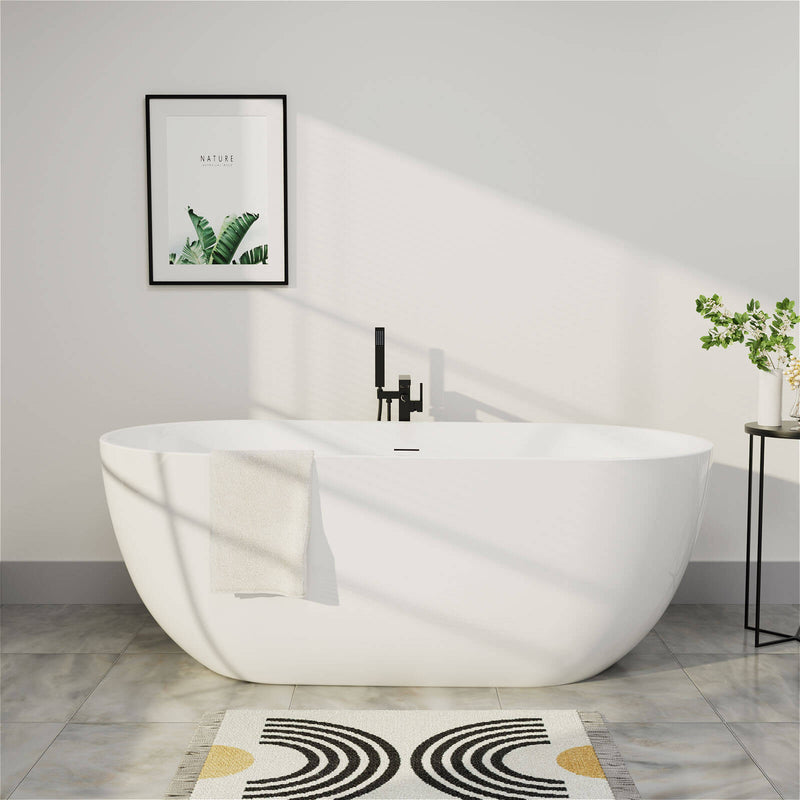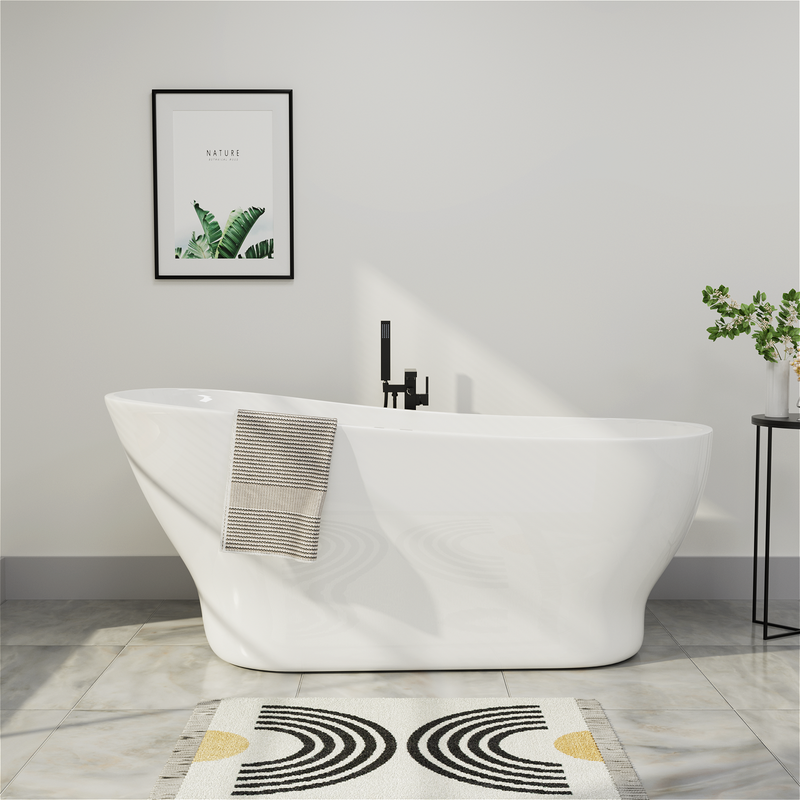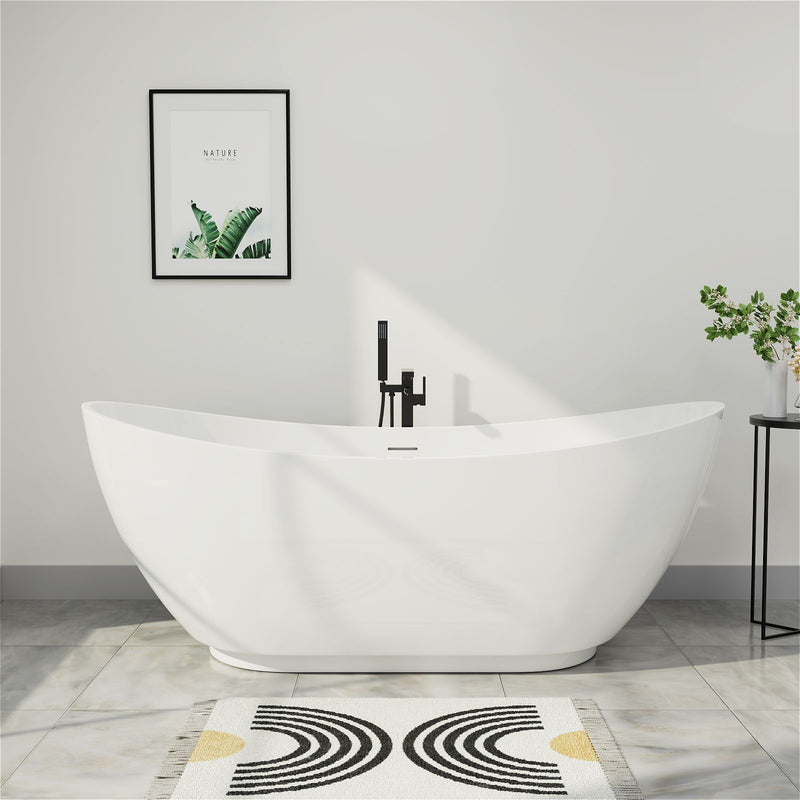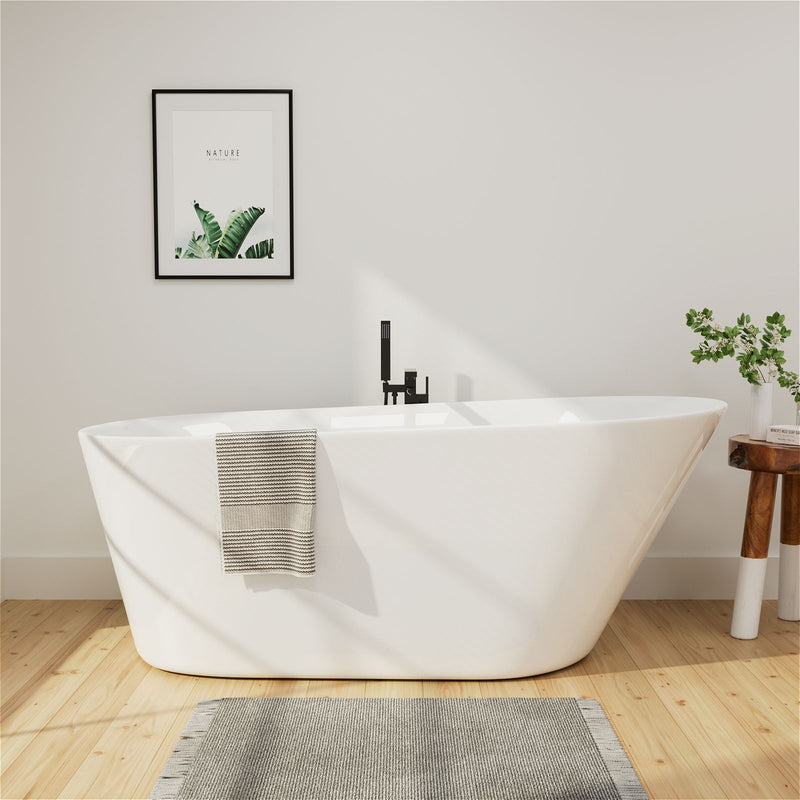
Choosing a bathtub color seems like a purely aesthetic decision until you have to live with it. Homeowners remodeling their bathrooms often find themselves stuck between the timeless appeal of white and the modern sophistication of gray. But beyond style, a critical question emerges: Which color actually looks cleaner?
This question is more complex than it appears. The answer involves visual psychology, realistic maintenance expectations, water chemistry, and honest assessments of daily living habits. A bathtub that looks clean makes the entire bathroom feel more hygienic and inviting. Conversely, a tub that always appears slightly dirty—even after scrubbing—can become a source of frustration.
This article examines the practical differences between gray and white bathtubs through the lens of cleanliness. We will look at how each color performs with common bathroom enemies like soap scum, hard water stains, and daily wear. By the end, you will have a clear understanding of which color aligns with your standards and your lifestyle.
The Visual Psychology of Cleanliness in Bathrooms
How Color Influences Perception of Clean
Color plays a powerful role in how people perceive cleanliness, particularly in bathrooms. Research in color psychology suggests that specific colors trigger subconscious associations with hygiene and freshness. White has long been the standard for bathroom fixtures precisely because it creates an immediate visual connection to cleanliness, sterility, and purity. When you walk into a hotel bathroom, white tiles and white tubs signal that the space has been sanitized.

Gray occupies a different psychological space. It communicates sophistication, calm, and modernity. However, its association with cleanliness is less direct. Light gray can appear fresh and airy, while darker grays may read as industrial or even somber. The challenge with gray is that its connection to cleanliness depends heavily on the specific shade and the context of the bathroom design.
The Expectation Factor
Homeowners expect different things from different colors. With a white bathtub, the expectation is perfection. Any deviation from bright white—a faint ring, a water spot, a slight discoloration—becomes immediately noticeable. White sets a very high bar, and it holds you to that standard every single day.
Gray tubs benefit from lower expectations. Because gray inherently contains darker tones, minor imperfections blend in more easily. A water stain that would scream for attention on white porcelain might fade into the background on a charcoal surface. This does not mean gray tubs are cleaner; it means they are often more forgiving of the small deposits that accumulate between deep cleanings.
Stain Visibility: The Battle Against Daily Residue
Soap Scum and Body Oils
Soap scum forms when the minerals in hard water combine with the fatty acids in soap. This residue typically appears as a whitish or grayish film that coats the tub surface at and below the waterline. On a white bathtub, soap scum can be surprisingly difficult to see during the initial stages of buildup. Because it is light-colored, it blends with the white background until it thickens enough to create a visible film or a slippery texture.
On a gray bathtub, soap scum shows up differently. Light gray tubs may reveal soap scum as a slightly lighter or chalky residue. Dark gray tubs create high contrast, making white soap film stand out prominently. This creates an interesting dynamic: while dark colors hide many stains, they can actually make soap residue more visible because of the stark contrast between the light scum and the dark surface.
Hard Water Spots and Mineral Deposits
Hard water stains present one of the most persistent challenges for bathtub cleanliness. When water evaporates, it leaves behind calcium and magnesium deposits that appear as chalky white or sometimes reddish-brown spots. These deposits bond to the tub surface and require acidic cleaners like vinegar to dissolve.
White bathtubs have a distinct disadvantage here. Hard water spots are essentially white mineral deposits on a white surface. They reflect light differently than the surrounding porcelain or acrylic, creating a dull, spotty appearance that makes the tub look unwashed. However, because they are white-on-white, they can be difficult to see until you run your hand over the surface and feel the roughness.
Gray bathtubs handle hard water spots differently depending on the shade. Light gray may show mineral deposits as slightly lighter spots, similar to white but with less contrast. Dark gray, however, makes every single water spot visible. The white minerals stand out sharply against the dark background, meaning a dark gray tub will look spotted very quickly after use unless it is wiped down consistently.
Mold and Mildew Concerns
Mold and mildew thrive in bathroom environments, particularly in areas with poor ventilation. These fungal growths typically appear as black, green, or pinkish spots, often concentrating around caulk lines, drains, and corners where moisture lingers.
Dark gray bathtubs hide early mold and mildew growth more effectively than white tubs. Black mold spots blend into dark surfaces, allowing growth to progress unnoticed. White tubs, by contrast, reveal dark mold spots immediately, giving homeowners early warning of developing problems. While early visibility might seem like a disadvantage because it requires more frequent attention, it actually promotes better hygiene by alerting you to issues before they spread.
The Maintenance Reality: What It Takes to Keep Each Color Clean
Cleaning Frequency and Effort
White bathtubs demand consistent attention. Because they reveal every spot and stain, maintaining a pristine appearance typically requires weekly cleaning and often includes spot-treating between full cleanings. The benefit of this high-maintenance reputation is that white tubs respond well to standard cleaning methods. Bleach, hydrogen peroxide, and oxygen-based cleaners effectively restore white surfaces to their original brightness.

Gray bathtubs offer more flexibility in cleaning schedules. They hide minor buildup effectively, meaning you can stretch time between cleanings without the tub looking obviously dirty. However, when gray tubs do require deep cleaning, they present challenges. Harsh cleaners, particularly bleach, can affect the pigment in colored surfaces over time, potentially causing fading or uneven color. This means gray tub owners must be more selective about cleaning products.
The Scratching and Wear Factor
All bathtubs eventually show signs of wear, but color affects how noticeable this wear becomes. White tubs develop scratches that expose the underlying material. On a white surface, these scratches appear as slightly different shades of white or gray, but they remain relatively subtle because the color differential is minimal.
Gray tubs tell a different story. Scratches on colored surfaces often expose lighter material underneath, creating contrast that makes every mark stand out. This is particularly problematic for darker gray tubs, where scratches appear as white lines against the dark background. Over time, the accumulation of these small marks can make a gray tub look older and more worn than a comparable white tub with similar use.
Grout and Caulk Considerations
The discussion of bathtub cleanliness extends beyond the tub itself to include the surrounding materials. Grout and caulk lines collect dirt, mold, and mildew, and their color significantly impacts the overall perception of bathroom cleanliness.
White grout creates a classic, clean look but requires vigilance. It shows dirt, mildew, and discoloration quickly, necessitating regular cleaning and occasional bleaching. Gray grout offers practical advantages by hiding stains and soil between cleanings. Professionals often recommend gray grout specifically because it hides dirt and is less prone to visible staining from harsh cleaners.
For homeowners pairing a gray tub with gray grout, the overall effect can be remarkably low-maintenance. The unified color scheme minimizes visual distractions, allowing the bathroom to look cleaner with less effort.
Long-Term Appearance: Aging and Discoloration
Yellowing Over Time
White bathtubs, particularly older models made from certain materials, face the risk of yellowing over decades of use. UV exposure, cleaning chemical reactions, and simple aging can shift white toward cream or yellow tones. Once this happens, the tub no longer looks clean even when freshly scrubbed because the surface color itself has changed.
Gray bathtubs do not yellow in the same way. Their pigment base means that aging typically manifests as fading or dulling rather than color shifting. A gray tub may lose its luster and appear chalky over time, but it will not develop the unmistakable aged look that afflicts white fixtures.
Stain Absorption and Porosity
Different bathtub materials interact with color in distinct ways. Acrylic and fiberglass tubs have non-porous surfaces that resist stain absorption when properly maintained. Cast iron and steel enamel tubs feature glass-like surfaces that also resist staining, though the enamel can chip or crack with impact.
White surfaces show staining immediately but also respond well to stain-removing treatments. Bleach, baking soda pastes, and hydrogen peroxide effectively lift stains from white surfaces without concern for altering the base color.
Gray surfaces require more caution with stain treatments. While they may hide minor staining better initially, aggressive cleaning designed to remove deep stains risks damaging or lightening the colored finish. This means that when stains do penetrate or build up on a gray tub, removal becomes a delicate operation.
Practical Scenarios: Matching Bathtub Color to Lifestyle
Family Bathrooms with Children
Households with children face unique bathtub cleanliness challenges. Kids bring bath toys, bubbles, and the potential for messes ranging from mud to marker stains. In this environment, the choice between gray and white depends on priorities.

White bathtubs in family bathrooms require frequent cleaning but offer the ability to use strong stain-fighting products without concern. When children leave behind ring-around-the-tub, bleach and oxygen cleaners restore white surfaces effectively.
Gray bathtubs in family bathrooms offer camouflage for everyday wear and minor stains. However, parents must be more careful about the cleaning products used, avoiding harsh chemicals that might affect the color. For families who prefer less frequent cleaning and accept some visible wear, gray offers practical advantages.
Guest Bathrooms
Guest bathrooms create different expectations. Visitors subconsciously evaluate cleanliness based on visual cues, and they rarely inspect surfaces closely. In this setting, the immediate impression matters more than microscopic perfection.
White bathtubs signal luxury and meticulous care to guests. A bright white tub suggests that the space has been thoroughly cleaned, regardless of whether minor water spots exist.
Gray bathtubs in guest bathrooms project modernity and sophistication. They appear less traditional and more design-forward. However, guests may not have the same instant cleanliness association with gray that they do with white.
Primary Bathrooms for Daily Use
The bathroom you use every day demands practical considerations. Daily showers mean daily exposure to water, soap, and the gradual accumulation of residue.
For daily-use bathrooms, the choice between gray and white often comes down to your relationship with cleaning. If you prefer to clean thoroughly once a week and ignore the tub the rest of the time, gray offers forgiveness between cleanings. If you prefer the ability to see exactly what needs cleaning and use standard products without worry, white provides that clarity.
Material Considerations Across Colors
Acrylic Bathtubs
Acrylic tubs dominate the modern market due to their affordability, versatility, and ease of installation. In white, acrylic offers bright, glossy surfaces that resist stains when properly maintained. In gray, acrylic provides consistent color throughout the material, meaning scratches and chips are less visible than on coated surfaces.
Acrylic requires non-abrasive cleaning regardless of color. Harsh scrubbing dulls the glossy finish, making the surface appear older and more difficult to clean over time.
Cast Iron and Steel Enamel
Cast iron and steel enamel tubs feature a porcelain enamel coating that provides a hard, glass-like surface. In white, these tubs offer brilliant, high-gloss finishes that resist staining and clean easily. In gray, enamel coatings provide the same durability with the added benefit of color.
The primary risk for enamel tubs is chipping. When enamel chips occur on white tubs, the dark underlying material creates noticeable contrast. On gray tubs, chips may blend more effectively with the surrounding color, particularly if the gray shade approximates the underlying material.
Fiberglass Reinforced Plastic
Fiberglass tubs offer budget-friendly options but prove more vulnerable to damage, stains, and mold growth over time. In white, fiberglass tends to show age through yellowing and surface dullness. In gray, fiberglass may hide discoloration better but remains susceptible to the same material degradation.
The Verdict: Which Looks Cleaner?
The question of whether gray or white bathtubs look cleaner resists a simple answer because context matters tremendously.
White bathtubs look cleaner immediately after cleaning. They achieve a brightness that signals hygiene and freshness. However, they demand consistent maintenance to maintain that appearance, and they reveal every water spot, streak, and bit of soap scum between cleanings.
Gray bathtubs look cleaner between cleanings. They hide minor buildup, water spots, and everyday residue effectively. However, they show soap scum and hard water deposits more prominently on dark surfaces, and they require careful product selection to avoid damaging the colored finish.
For homeowners who clean weekly without fail and enjoy seeing immediate results, white delivers unmatched visual payoff. For those who prefer a more forgiving surface that maintains a presentable appearance with less frequent attention, gray offers practical advantages.

The most honest answer is that neither color stays clean without effort. Both require regular maintenance, appropriate cleaning products, and attention to detail. The difference lies in what they reveal and what they hide—and which of those aligns with your expectations.
Conclusion
Selecting between a gray and white bathtub ultimately requires honest assessment of your maintenance habits, your tolerance for visible imperfections, and your design preferences. White rewards the diligent cleaner with a classic, fresh appearance. Gray offers modern sophistication and forgiveness between cleanings.
Consider also the broader bathroom context. Wall colors, tile choices, lighting, and fixture finishes all interact with your tub color to influence the overall perception of cleanliness. A well-designed bathroom with appropriate ventilation, quality materials, and consistent maintenance will look clean regardless of tub color.
Remember that no bathtub maintains itself. Whether you choose crisp white or sophisticated gray, establishing a regular cleaning routine using appropriate products for your tub material will keep your bathroom looking its best for years to come.
FAQs
Does a white bathtub show more dirt than a gray bathtub?
White bathtubs show certain types of dirt more clearly, particularly dark soils and mold. However, they hide light-colored soap scum and some water spots better than dark gray surfaces. Gray tubs hide general grime but reveal soap residue and hard water spots prominently on darker shades.
Can I use bleach to clean a gray bathtub?
Bleach can affect colored surfaces over time, potentially causing fading or uneven color. Check your manufacturer's recommendations before using bleach on a gray tub. For white tubs, bleach is generally safe and effective for whitening and disinfecting.
Which bathtub color requires less frequent cleaning?
Gray bathtubs typically require less frequent cleaning to maintain a presentable appearance because they hide minor buildup and everyday residue. However, when they do need cleaning, the process may require more care to protect the colored finish.
Do hard water stains look worse on white or gray tubs?
Hard water stains appear as white mineral deposits. On white tubs, they create a dull, spotty film that can be difficult to see but affects the overall finish. On dark gray tubs, each white spot stands out individually, creating high contrast that some find more noticeable.
Will a gray bathtub fade over time?
All bathtub colors can fade with prolonged UV exposure and harsh chemical cleaning. Gray pigments may show fading as a general lightening or chalkiness, while white tubs may yellow with age. Proper maintenance and avoiding direct sunlight help preserve both colors.
What color grout works best with a gray bathtub?
Gray grout offers practical advantages with gray tubs by hiding dirt and stains between cleanings. It creates a seamless look that minimizes visual distractions. White grout with gray tile creates higher contrast and requires more frequent maintenance.
Is a white bathtub more hygienic than a gray one?
Color does not determine hygiene. Both white and gray tubs harbor the same bacteria and mold if not properly cleaned. White tubs may reveal mold spots earlier, allowing for prompt treatment, while dark tubs might hide developing growth. Regular cleaning with appropriate disinfectants ensures hygiene regardless of color.