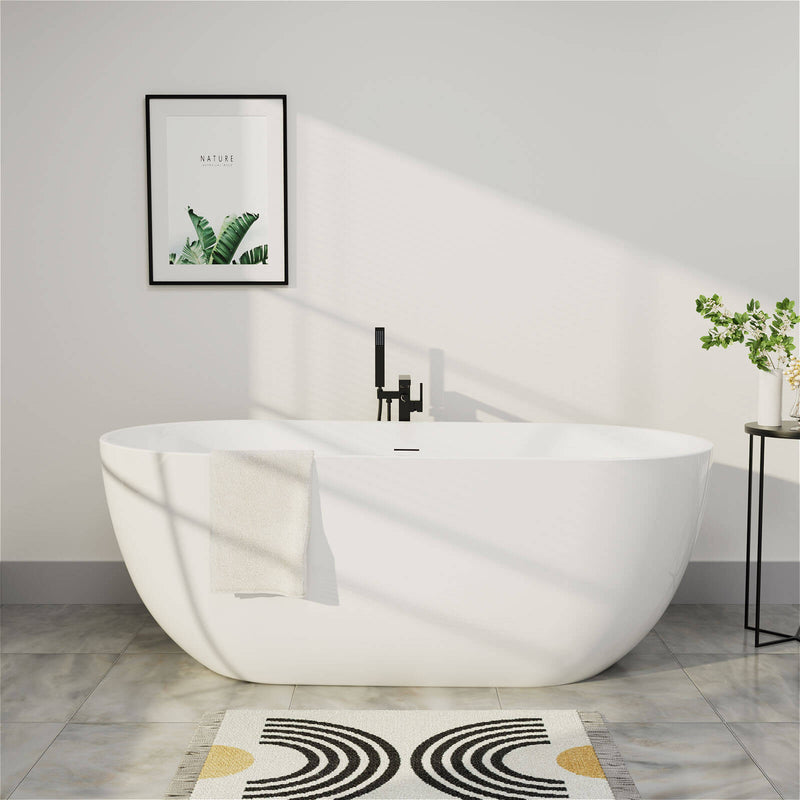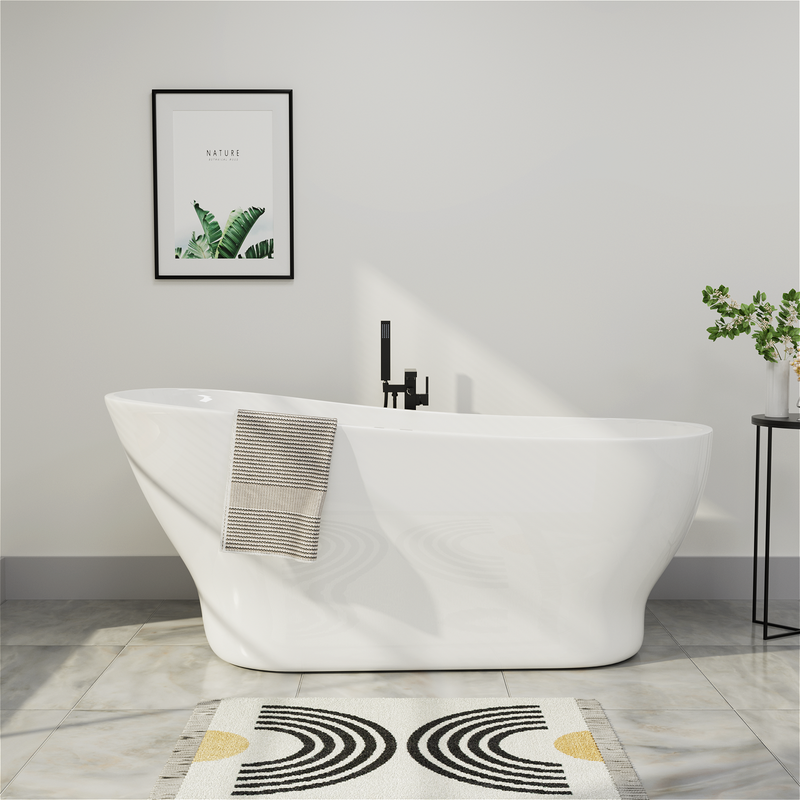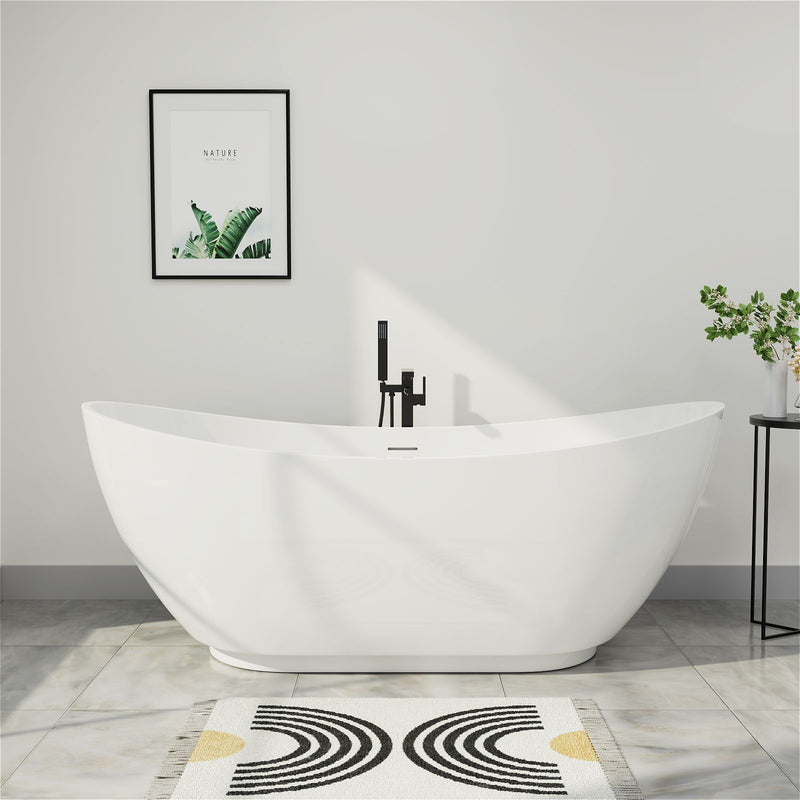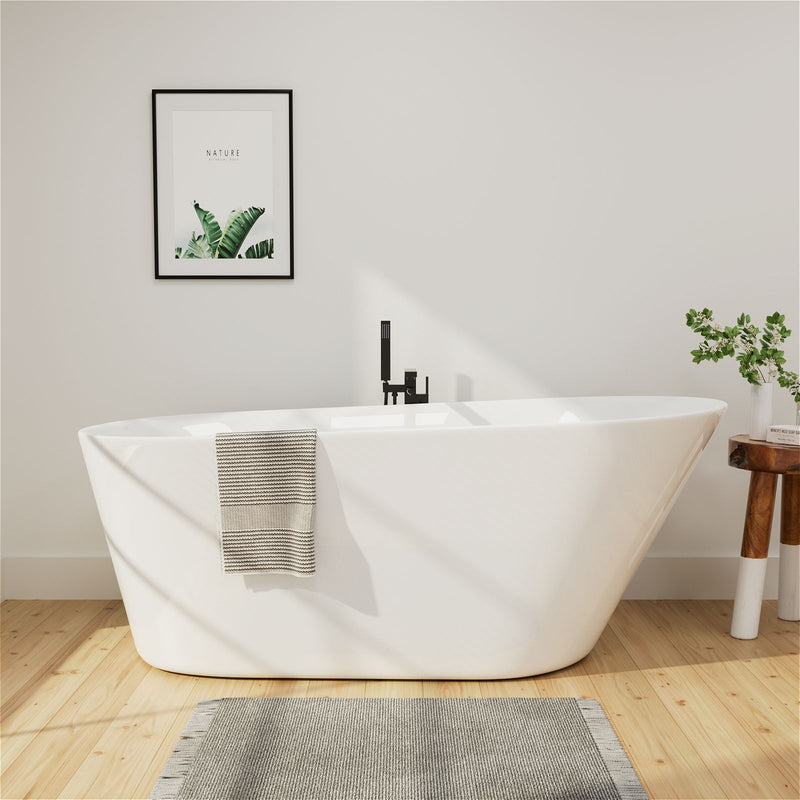
The classic white bathtub remains a cornerstone of bathroom design, offering a timeless look of cleanliness and versatility. However, the decision no longer ends with choosing the color white. The final finish—whether you select a matte white tub or a glossy white tub—profoundly impacts the room's atmosphere, feel, and your daily experience. This choice goes beyond mere aesthetics; it influences lighting, maintenance routines, safety, and how the space aligns with contemporary design trends. Understanding the distinct personalities of matte and glossy finishes is key to selecting a bathtub that complements not just your bathroom's style, but also your lifestyle.
Visual Impact and Bathroom Atmosphere
The most immediate difference between these two finishes lies in how they interact with light, which fundamentally shapes the mood and perception of your bathroom.
A glossy white bathtub acts as a reflective surface. Its high-shine finish actively bounces light around the room, whether from a window or artificial fixtures. This characteristic creates a bright, crisp, and energetic atmosphere. The reflective quality can make colors from nearby towels, tiles, or décor appear more vibrant and saturated. For decades, this shiny, "wet-look" finish has been synonymous with a traditional, clean, and classic bathroom aesthetic, often associated with a sense of polished formality.
In contrast, a matte white bathtub absorbs and diffuses light. This creates a soft, non-reflective appearance that feels calm, grounded, and understated. The finish offers a gentle, velvety texture that is inherently linked to modern design movements like minimalism, contemporary, and organic styles. A matte finish is excellent at camouflaging minor surface imperfections and seams because there is no glare to highlight them. The resulting ambiance is one of serene sophistication and warmth, promoting a more relaxed and spa-like environment where the tub feels like a sculptural piece rather than just a fixture.

Furthermore, the choice of finish interacts with a key advantage of a white bathroom: its ability to visually expand a space. While both finishes benefit from white's space-enhancing qualities, they do so differently. Glossy white amplifies this effect by reflecting light and surroundings, making a small bathroom feel more open and airy. Matte white, while not reflective, offers a smooth, expansive canvas that avoids visual clutter, also contributing to a sense of orderly space.
Practicality and Maintenance: Daily Living Considerations
Your choice of finish directly translates to different cleaning habits, safety considerations, and long-term wear.
On a day-to-day basis, glossy finishes present a clear maintenance trade-off. Their ultra-smooth, non-porous surface is relatively easy to wipe clean, as dirt and soap scum have fewer microscopic textures to cling to. However, this same mirror-like surface makes every water droplet, streak from cleaning, and fingerprint highly visible. To maintain a flawless, spotless appearance, a glossy tub requires diligent drying and polishing after each use. Over time, glossy surfaces, especially on certain materials, can also be more prone to showing fine scratches or "scuff" marks that catch the light.
Matte finishes approach maintenance from a different angle. Their textured surface is exceptional at concealing water spots, dust, and everyday smudges. This means a matte tub can look clean for longer periods between wipe-downs, as it doesn't highlight streaks or drying marks. The practical benefits of matte surfaces are increasingly recognized in interior design for their understated elegance and functionality. The potential concern with matte finishes is that their slightly more porous nature can make them more susceptible to absorbing stains from bath oils, strong dyes, or deeply pigmented products if spills are not promptly addressed. Cleaning typically requires gentler methods; harsh abrasive cleaners or scrub pads can damage the delicate surface and leave dull, shiny patches that ruin the uniform finish. A soft cloth and pH-neutral cleaner are almost always recommended.
Safety is another crucial practical factor. In a wet environment, the slip resistance of surfaces is paramount. Here, matte finishes generally provide a significant advantage. The textured surface offers more grip underfoot and for your hands, making entering and exiting the tub safer, especially for children, older adults, or anyone concerned about stability. The smooth, hard surface of a glossy tub can become very slippery when wet. While bath mats are always advised, the inherent texture of a matte finish provides an added layer of security.
Material Compatibility and Style Integration
The "matte" or "glossy" characteristic is often a result of the bathtub's base material and its final treatment, which influences the overall style it best complements.
Glossy finishes are frequently the natural result of materials like porcelain enamel (over cast iron or steel) or high-gloss acrylic. These materials are fired or finished to create an extremely hard, glass-like surface. This makes glossy white tubs a natural fit for traditional, classic, or even certain ultra-modern bathrooms where a high-contrast, graphic look is desired. They pair effortlessly with chrome or polished nickel fixtures, classic subway tiles, and more ornate design elements.

Matte finishes are commonly achieved with solid surface materials (like high-quality acrylic composites or engineered stone) or through specific, low-luster treatments applied to traditional materials. This finish has become a signature of contemporary design. A matte white tub seamlessly integrates into minimalist, Scandinavian, industrial, or organic modern spaces. It pairs beautifully with other natural textures like wood, stone, brushed concrete, and matte black or brushed brass fixtures. The trend toward matte finishes reflects a broader shift in interior design toward tactile, understated luxury that prioritizes feel and atmosphere over flashy appearance.
Ultimately, the right finish depends on a harmony of factors. A glossy tub might be the perfect tool to brighten and visually expand a small, windowless bathroom, while a matte tub could be the ideal centerpiece for creating a serene, textural retreat in a larger master suite. By weighing the visual mood you desire against your willingness to perform specific cleaning routines and the overall design language of your home, you can confidently choose the finish that will serve as a beautiful and functional focal point for years to come.
Decision Guide: Key Questions to Ask Yourself
To navigate the choice between a matte and glossy white bathtub, consider the following questions about your specific bathroom and habits:
- What is the size and primary lighting in your bathroom? For a smaller or naturally dark space where maximizing light is a priority, a glossy tub can be a strategic asset. In a large, well-lit room where controlling ambiance is the goal, a matte tub offers sophisticated, soft light diffusion.
- What is your overall design theme? For a classic, traditional, or Art Deco-inspired aesthetic, glossy white is a timeless choice. For contemporary, minimalist, organic, or "Zen" styles, matte white is typically the preferred finish.
- What is your cleaning style and tolerance? If you prefer a surface you can disinfect quickly and don't mind a final buff to eliminate streaks, glossy suits that routine. If you want a finish that forgives water spots and dust between cleanings but requires gentler, stain-conscious care, matte may be a better match.
- Who uses the bathroom, and is safety a top concern? For family bathrooms or those used by individuals who need more secure footing, the inherent added grip of a matte surface is a practical benefit.
- Do you prioritize hiding imperfections? Matte finishes are superior at concealing minor scratches, water scale, and surface seams. Glossy finishes, while durable, will make every flaw and spot more visible.
FAQs
Q1: Is a matte white bathtub harder to keep clean than a glossy one?
Not necessarily harder, but the cleaning focus is different. Glossy tubs require frequent wiping to remove visible water spots and streaks but can often handle a wider range of cleaners. Matte tubs are better at hiding everyday marks but require gentler, non-abrasive cleaning solutions to avoid damaging the delicate surface. Prompt cleanup of potential stains is also more important for matte finishes.
Q2: Can a matte finish become shiny or worn in high-contact areas?
Yes, this is possible if improper cleaning techniques are used. Repeated scrubbing with abrasive pads or harsh chemicals can wear down the matte texture in spots, creating shiny patches. To preserve the uniform look, always follow the manufacturer's care instructions.
Q3: Does a glossy white tub make a small bathroom look bigger?
Yes, it can contribute to that illusion. The reflective surface helps bounce light around the room, which can make a compact space feel brighter and less confined.
Q4: Which finish is more modern or on-trend?
Currently, matte finishes are strongly associated with contemporary, minimalist, and nature-inspired design trends, which have been dominant in recent years. However, glossy white remains a timeless, versatile choice that works in many settings, from traditional to very modern. The best choice aligns with your sustained personal style, not just a passing trend.
Q5: Is one finish more durable or scratch-resistant than the other?
Durability depends more on the underlying material quality (e.g., enamel thickness, acrylic density) than the finish alone. However, the visibility of wear differs greatly. Fine scratches are far more noticeable on a glossy surface because they disrupt light reflection. Similar scratches on a matte surface are often camouflaged by its inherent texture.
Q6: Can I repair damage to either finish?
Repair options vary by material. For acrylic tubs (glossy or matte), professional refinishing is often possible. For enameled surfaces, repairs are more difficult and may be noticeable. Preventing damage through proper care is always the best approach.
Conclusion
Choosing between a matte white and a glossy white bathtub is a decision that balances personal taste with the practical realities of daily life. There is no universally "correct" choice—only the best choice for your home. A glossy tub brings dynamic light, vibrant energy, and a classic shine, excelling in smaller spaces and traditional designs. A matte tub offers serene calm, rich texture, and modern elegance, ideal for creating a cohesive retreat and forgiving the minor signs of daily use.
By carefully considering how you use your bathroom, the atmosphere you want to create, the level of maintenance you're willing to undertake, and the safety needs of your household, you can confidently select the finish that will serve as a beautiful and functional centerpiece for years to come.