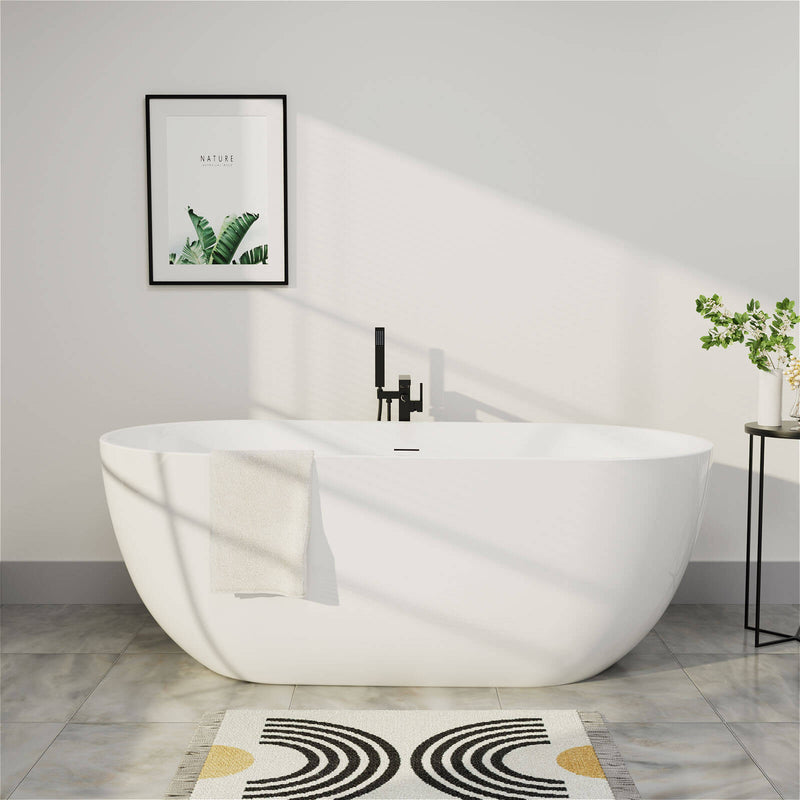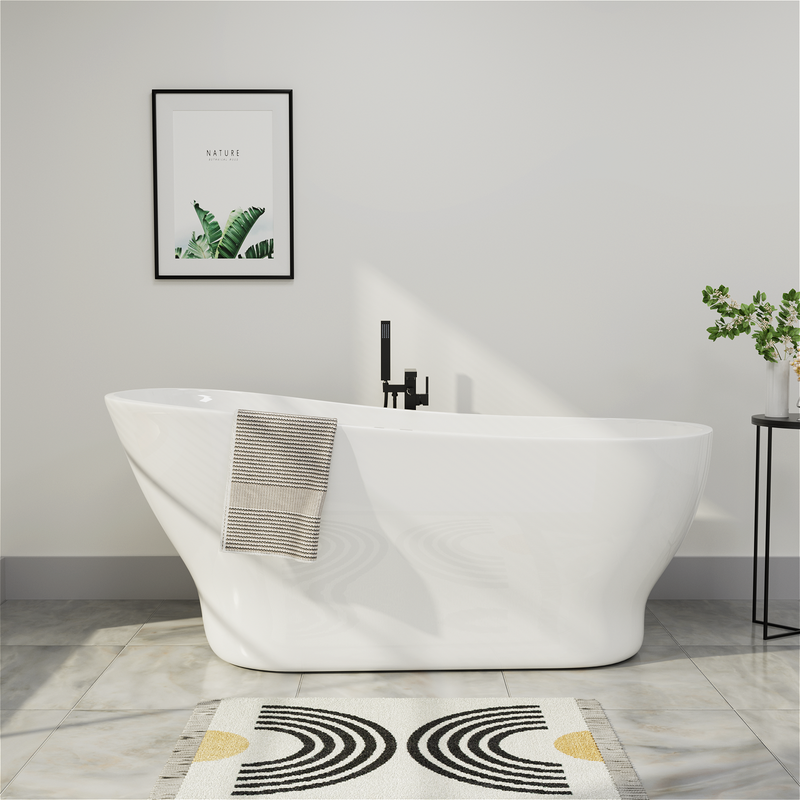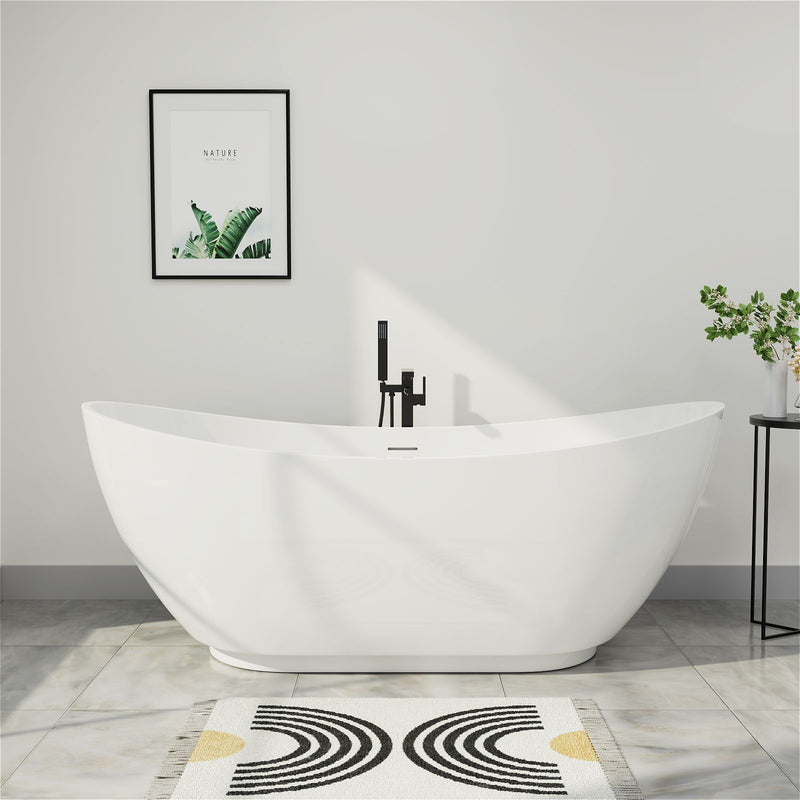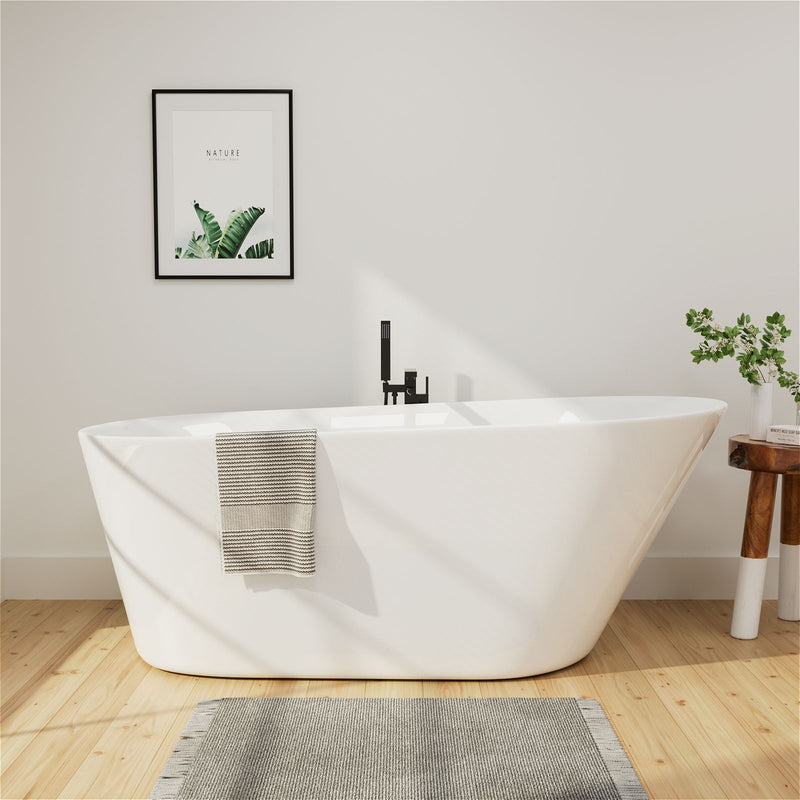
A white bathtub is a timeless centerpiece in any bathroom. Its clean, bright look offers incredible versatility, seamlessly fitting into styles ranging from modern minimalist to classic traditional. However, the true value of your bathtub lies not in its color, but in the material hidden beneath that glossy surface. The "best" material isn't universal—it depends entirely on your lifestyle, budget, and priorities. Are you looking for deep-soaking comfort, rock-solid durability that lasts decades, or an affordable and easy-to-install option? This guide will break down the most common bathtub materials in plain language, comparing their real-world performance to help you make the perfect choice for your home and daily routine.
Acrylic: The Modern Favorite for Comfort and Style
Acrylic has surged in popularity to become one of the most common choices for contemporary bathtubs, and for good reason. It strikes a notable balance between comfort, design flexibility, and cost.
Warmth and Comfort
One of acrylic's most praised features is its warmth. The material feels noticeably warmer to the touch than metal when you first step in, making for a more comfortable experience, especially in cooler weather. Furthermore, acrylic is an excellent insulator. It helps keep your bathwater warm for extended periods, allowing for longer, more relaxing soaks without needing to constantly add hot water. This superior heat retention compared to metals is a key factor in its comfort appeal.

Design Flexibility and Installation
Acrylic's moldable nature allows it to be formed into a vast array of shapes and sizes. This means you can find everything from sleek, freestanding oval tubs to compact, space-saving models for smaller bathrooms. This versatility makes it easier to match your tub to your bathroom's specific layout and aesthetic vision. Additionally, acrylic tubs are relatively lightweight, which makes them significantly easier to handle, transport, and install compared to extremely heavy alternatives like cast iron. This can simplify the installation process and reduce concerns about reinforcing your bathroom floor.
Maintenance and Longevity Considerations
The acrylic surface is smooth and glossy, which makes it relatively easy to clean. However, it is not without its drawbacks. The surface can be susceptible to scratching from abrasive cleaners or hard objects, and its color may fade or yellow slightly over many years of use. While minor surface scratches can sometimes be polished out, the material requires gentle care with non-abrasive cleaning products to maintain its best appearance. High-quality acrylic tubs are often reinforced with materials like fiberglass to improve their structural strength and durability.
Cast Iron: The Classic Standard for Unmatched Durability
For well over a century, cast iron has represented the gold standard for bathtub durability and a sense of substantial, timeless quality. These tubs are crafted by pouring molten iron into a mold and then coating the cooled form with a thick, glossy layer of porcelain enamel.
Legendary Strength and Lifespan
The primary advantage of a cast iron tub is its exceptional durability. The enamel coating is extremely hard, highly resistant to chipping, scratching, and staining. With proper basic care, a cast iron bathtub can easily last for 50 years or more, often becoming a permanent fixture in a home. Its surface is also very easy to wipe clean and maintains its glossy finish over decades without fading.
Superior Heat Retention and Feel
Despite being metal, cast iron is renowned for its excellent heat retention properties. The thick, dense material absorbs heat from the water and releases it slowly, helping to keep your bath warm. While the enamel surface may feel cool initially, the tub itself provides a solid, unmoving, and substantial feel that many people associate with luxury and quality. It is also typically the quietest option when filling with water.
The Trade-offs: Weight and Cost
The downsides of cast iron are directly linked to its strengths. These tubs are extremely heavy. An empty tub can weigh several hundred pounds, requiring professional installation and potentially necessitating reinforced flooring, especially in upstairs bathrooms. This immense weight also makes delivery and maneuvering difficult. Consequently, cast iron tubs are generally the most expensive option upfront, both in terms of the product itself and the installation cost. Their manufacturing process also limits design flexibility, typically resulting in classic shapes like rectangular, oval, or slipper styles rather than highly contemporary forms.
Porcelain-Enameled Steel: The Practical and Budget-Friendly Middle Ground
Steel bathtubs, more accurately called porcelain-enameled steel, offer a practical compromise. They are made from formed sheets of steel coated with a layer of porcelain enamel, similar to cast iron but on a thinner, lighter base.
Affordability and Ease of Installation
Steel tubs are a cost-effective alternative to cast iron while still providing a smooth, easy-to-clean enamel surface. They are significantly lighter than cast iron—closer in weight to acrylic tubs—which makes them much easier to handle and install. This combination of a lower price point and simpler installation makes them a popular and practical choice for many households and renovation projects.

Performance and Feel
The enamel finish on a quality steel tub provides good resistance to stains and is straightforward to clean. However, there are some compromises in performance. Steel does not retain heat as well as cast iron or acrylic, so bathwater may cool more quickly. Additionally, because the material is thinner, water running from the faucet can be louder, producing more noise than with a cast iron tub. Lower-quality or thinner-gauge steel tubs may also feel less substantial or be more prone to flexing.
Other Material Options
While acrylic, cast iron, and steel dominate the market, other materials are worth noting for specific preferences.
Traditional Options: In the past, materials like ceramic were used, but they are brittle, heavy, and have poor heat retention, making them rare in modern homes. Wood (like in traditional soaking tubs) offers excellent natural insulation and a unique aesthetic but requires significant maintenance to prevent warping, cracking, and mold in a wet environment.
Modern Composites: Advanced composite materials, such as engineered stone (a blend of crushed natural minerals and resins), are emerging. These aim to combine the warm feel of acrylic with exceptional durability and stain resistance, often at a premium price point.
How to Choose the Right Material for You
Selecting the best material involves weighing their characteristics against your personal needs, bathroom constraints, and budget.
Assess Your Priorities and Budget
Start by deciding what's most important to you. Is it long-term durability and a heirloom-quality piece (leaning toward cast iron), affordable comfort and modern design (acrylic), or straightforward value and ease (steel)? Your budget will naturally filter these options, with cast iron at the high end and steel often being the most budget-friendly.
Consider Installation and Bathroom Structure
Think about your bathroom's physical limitations. Can your floor, particularly on an upper level, support the immense weight of a cast iron tub filled with water and a person? If not, the lighter weight of acrylic or steel is a safer bet. Also, consider the size of doorways and stairwells for delivery.
Think About Daily Use and Maintenance
Reflect on your habits. If you love long, hot baths, the superior heat retention of acrylic or cast iron is a major benefit. Consider your willingness to perform maintenance: cast iron and steel have hardy enamel surfaces that are easy to clean, while acrylic requires gentler care to avoid scratches. In a high-humidity bathroom, ensuring any material is properly sealed and maintained is key to preventing mold issues.
Match the Style to Your Bathroom's Design
Finally, ensure the material can achieve your desired look. Acrylic excels at sleek, contemporary curves. Cast iron is synonymous with classic, rolled-edge and clawfoot tubs. Steel often comes in standard alcove shapes. A white finish works on all, but the material's inherent style will influence the room's overall feel.
FAQs
Q1: Which bathtub material is the most durable and longest-lasting?
Cast iron is widely considered the most durable. Its thick, enameled surface is highly resistant to chips, scratches, and wear, with a lifespan that can exceed 50 years. High-quality porcelain-enameled steel is also very durable, while acrylic, though sturdy, is more susceptible to surface scratches over time.
Q2: What is the warmest material for a bathtub?
For the material feeling warmest to the touch upon entry, acrylic wins as it is a poor heat conductor. For retaining the heat of the bathwater throughout your soak, both acrylic and cast iron perform excellently due to their insulating properties, with many giving a slight edge to cast iron's thermal mass.
Q3: Is a cast iron tub too heavy for my upstairs bathroom floor?
It very well might be. A cast iron tub is extremely heavy even when empty, and its weight increases dramatically when filled. Installation in an upstairs bathroom often requires a professional contractor to assess and potentially reinforce the floor joists to ensure safety.
Q4: Which material is easiest to clean and maintain?
Cast iron and porcelain-enameled steel have very hard, non-porous, glazed surfaces that are highly resistant to stains and are typically easy to wipe clean. Acrylic is also easy to clean but requires more careful attention to avoid using abrasive tools or cleaners that could dull or scratch the surface.
Q5: What is the most cost-effective bathtub material overall?
Porcelain-enameled steel tubs often provide the best balance of affordable upfront cost, good durability, and ease of installation. Acrylic is also cost-effective initially and offers great design flexibility, though its long-term appearance may require more mindful maintenance.
Q6: Does the bathtub material affect how loud it is when filling?
Yes. Cast iron tubs are the quietest because the thick, dense material dampens sound and vibration. Water hitting the thinner surface of a steel tub can be noticeably louder. Acrylic falls somewhere in between.
Final Recommendations
Ultimately, the best material for your white bathtub is the one that best fits your unique situation.
- Choose Cast Iron for unparalleled, lifelong durability, excellent heat retention, and a classic, substantial feel—if your budget and bathroom structure allow for it.
- Choose Acrylic for modern design versatility, a warm feel, good heat retention, and easier installation—if you are committed to its gentler maintenance routine.
- Choose Porcelain-Enameled Steel for practical affordability, decent durability, and a good balance of features—especially for straightforward renovations on a budget.
By honestly weighing your priorities for comfort, daily use, maintenance, budget, and bathroom layout, you can move beyond the surface and select a white bathtub that is not only beautiful but also a perfect, functional fit for your home for years to come.